Can My Roommate Sublet Without My Permission?
You come home on a Tuesday evening to find a stranger sitting on your couch, eating cereal out of your bowl. Your roommate casually introduces them: "Oh, this is Derek. He's taking over my room for the next three months while I'm away for my internship." No heads-up. No discussion. No asking if you're okay sharing your kitchen, bathroom, and living space with someone you've never met.
Whether your roommate can sublet without your permission depends on your lease, your local laws, and what you and your roommate agreed to when you moved in together. The short version: in most cases, your roommate cannot simply hand their room to a stranger without consequences.

What Does "Subletting" Actually Mean?
Subletting (or subleasing) happens when a tenant rents out all or part of their leased space to a third party — the subtenant — while remaining on the original lease. Your roommate is still technically responsible for rent and lease obligations, but someone else is physically living in the space.
Subletting is different from:
- Assigning a lease, where your roommate fully transfers their lease obligations to someone new (they're off the hook entirely).
- Having a guest, which is typically someone staying temporarily without paying rent or signing any agreement.
- Adding a new roommate to the lease, which involves the landlord's approval and a lease amendment.
The distinction matters because each of these scenarios carries different legal weight and requires different levels of consent — from you, from your landlord, or from both.
What Does Your Lease Say About Subletting?
Your lease is the first and most important document to check. Most standard residential leases include a clause that addresses subletting directly, and the vast majority of them say one of two things:
-
Subletting is prohibited without the landlord's written consent. This is the most common clause. It means your roommate needs to ask the landlord before subletting — and if they don't, they're in violation of the lease.
-
Subletting is prohibited entirely. Some leases flatly ban subletting under any circumstances. Full stop.
Few leases give tenants blanket permission to sublet at will. If yours does, that's unusual — and it still doesn't mean your roommate can ignore your feelings about who moves in.
If You're Both on the Lease
When both you and your roommate are co-signers on the same lease, you both have equal rights and obligations. In this situation, your roommate generally cannot sublet without your permission because:
- The subletting clause typically requires all tenants (or at minimum, the landlord) to consent.
- Bringing in a subtenant changes the living conditions you agreed to when you signed.
- In many jurisdictions, co-tenants have a legal right to approve or reject changes that affect their shared living arrangement.
You signed up to live with a specific person under specific terms. An unauthorized sublet rewrites those terms without your input.
If Only Your Roommate Is on the Lease
If your roommate is the sole leaseholder and you're technically their subtenant (or an occupant not named on the lease), they may have more authority. However:
- They still need the landlord's permission to sublet if the lease requires it.
- Your own sublease or occupancy agreement with your roommate may include terms about changes to the living arrangement.
- Even without a formal agreement, you may have tenant protections under local law that prevent abrupt changes to your housing situation.

Do You Have a Legal Right to Say No?
When You Likely Have the Right to Block a Sublet
- You're a co-signer on the lease, and the lease requires all tenants' or the landlord's consent for subletting.
- Your local tenant laws require consent from all co-tenants before a sublet is permitted.
- You have a written roommate agreement that specifies both parties must approve any subletting or changes to occupancy.
When Your Rights May Be Limited
- You're not on the lease and don't have a written occupancy agreement. Your roommate, as the leaseholder, may have more discretion — though landlord approval is still usually required.
- Your lease is silent on subletting. In some jurisdictions, silence in the lease means subletting is allowed unless the landlord objects. But even then, co-tenants may still have recourse.
- You're in a month-to-month arrangement without formal documentation. Fewer written protections mean fewer enforcement options.
Regardless of the legal specifics, one thing is almost universally true: your landlord almost certainly needs to approve any sublet. If your roommate bypasses the landlord, both of you could face consequences — including eviction.
What Can Go Wrong When a Roommate Sublets Without Permission
- Lease violation and eviction risk. If the landlord discovers an unauthorized subtenant, they can issue a cure-or-quit notice — or begin eviction proceedings against everyone on the lease, including you.
- Liability for damages. If the subtenant damages the apartment, you and your roommate (as the lease signers) are financially responsible. The subtenant has no legal obligation to the landlord.
- Loss of security deposit. Damage caused by an unauthorized occupant can be deducted from your deposit, and you may have no easy way to recover that money.
- Safety and comfort concerns. You didn't vet this person. You don't know their habits, their background, or whether they'll respect shared spaces and boundaries.
- Insurance complications. Your renter's insurance may not cover incidents involving unauthorized occupants.
Maya and Jordan shared a two-bedroom apartment with both names on the lease. Jordan decided to spend the summer abroad and, without telling Maya, arranged for a friend of a friend to stay in the room and pay Jordan's share of rent directly. Within weeks, the subtenant was leaving the front door unlocked, playing loud music at 2 a.m., and refusing to contribute to utilities. When Maya complained to Jordan, Jordan shrugged it off — they were overseas and didn't want to deal with it. Maya had no agreement with the subtenant, no leverage, and a landlord who didn't know any of this was happening.
How to Protect Yourself Before a Problem Starts
The best time to address subletting is before anyone moves in together.
1. Read Your Lease Carefully Before Signing
Look for the subletting clause. Understand what it says. If it's vague or missing, ask your landlord to clarify — in writing — whether subletting is permitted and under what conditions.
2. Create a Written Roommate Agreement
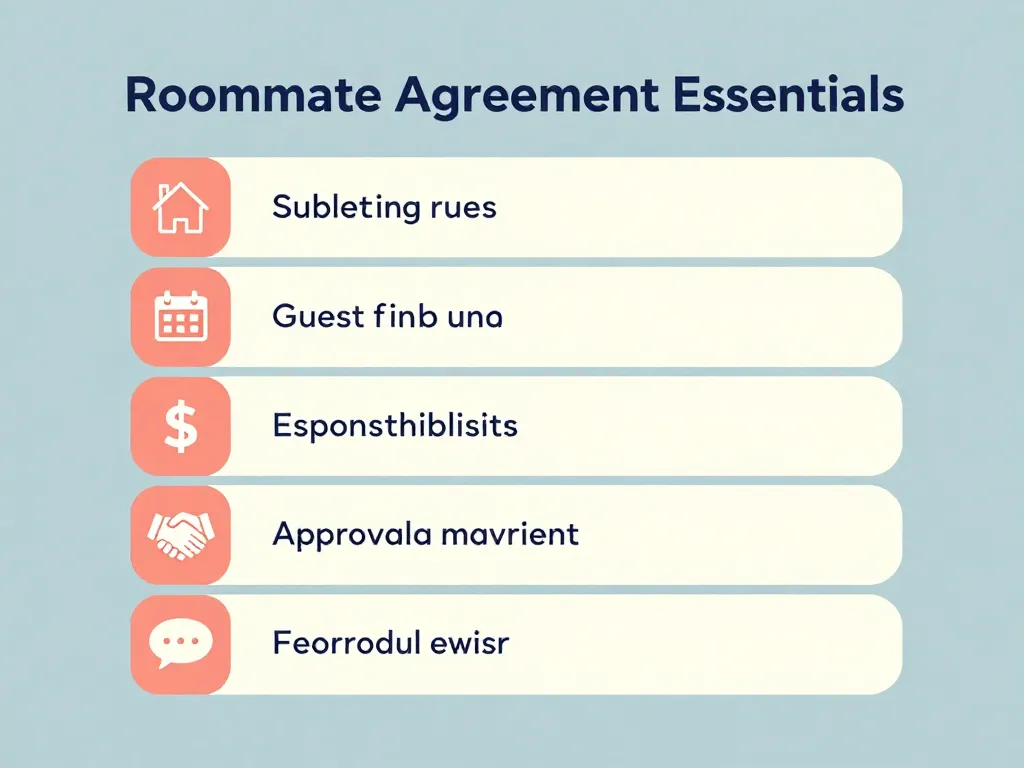
A roommate agreement is a separate document from your lease. It's a contract between you and your roommate that covers the practical details of living together. A strong roommate agreement should address:
- Whether subletting is allowed, and if so, under what conditions.
- Approval requirements — for example, "Both roommates must give written consent before any subletting arrangement."
- Guest policies, including how long someone can stay before they're considered a subtenant.
- Financial responsibilities during a sublet (who pays rent, utilities, and what happens if the subtenant doesn't pay).
- A process for resolving disagreements about subletting or new occupants.
Tools like Servanda help roommates create written agreements that prevent future conflicts — giving you a clear, structured framework to work from rather than relying on assumptions or verbal promises.
3. Set Clear Guest Limits
Many subletting conflicts start as "just a guest staying for a few weeks." Define in your roommate agreement how long a guest can stay (seven consecutive nights and no more than fourteen nights per month is a common standard) before they're considered an occupant or subtenant.
4. Know Your Local Tenant Laws
Tenant rights vary significantly by state and city. Some jurisdictions, like New York, have specific subletting statutes that outline tenant rights and landlord obligations. Others leave it almost entirely to the lease. Spend thirty minutes researching the laws in your area — your city or county's tenant rights office is a good starting point.
What to Do If Your Roommate Already Sublet Without Permission
If you're reading this because it's already happening, here's a step-by-step approach:
Step 1: Document Everything
Before you do anything else, gather documentation:
- Save any text messages, emails, or written communication where your roommate discussed or acknowledged the sublet.
- Note the date the subtenant moved in.
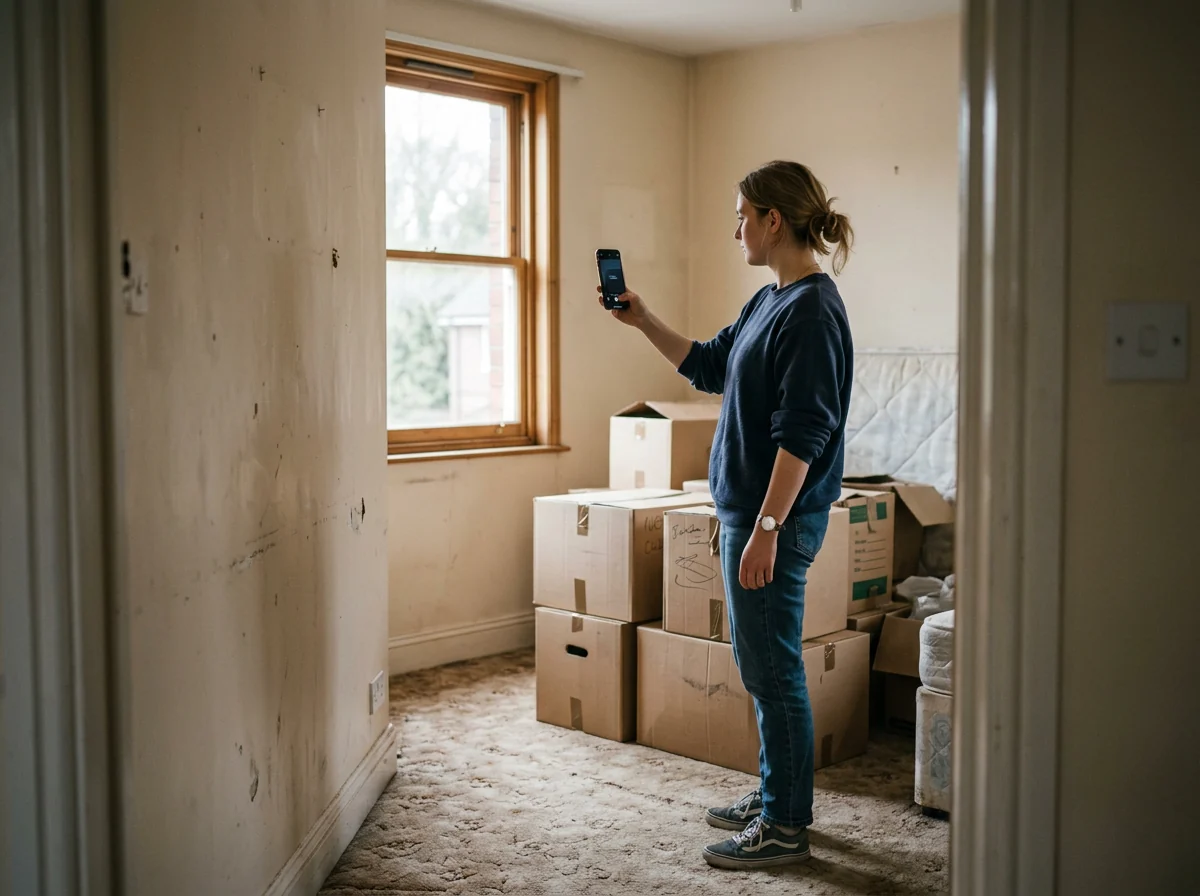
- Take photos if there are any changes to the apartment or damage.
- Keep a record of whether the subtenant is paying rent and to whom.
Step 2: Have a Direct Conversation With Your Roommate
Approach the conversation from a practical standpoint, not an emotional one. Focus on the facts:
- "I wasn't consulted about this, and our lease requires consent for subletting."
- "I'm not comfortable with this arrangement because [specific reasons — safety, noise, lease violation risk]."
- "Here's what I need to happen: [specific ask — the subtenant leaves by a certain date, you both talk to the landlord, etc.]."
Avoid ultimatums if you can, but be clear about your boundaries.
Step 3: Review Your Lease Together
Pull out the lease and point to the subletting clause. Sometimes roommates genuinely don't realize they're violating the lease. Seeing it in writing can shift the conversation from "you're being difficult" to "we're both at risk here."
If your roommate refuses to address the situation, you may need to loop in your landlord. This can feel like "tattling," but remember: an unauthorized sublet puts your housing at risk. You have every right to protect yourself.
When contacting your landlord:
- Be factual, not emotional.
- Explain that you did not consent to the sublet.
- Ask what the landlord's preferred resolution is.
- Put everything in writing (email is ideal).
Step 5: Seek Outside Help If Needed
If the situation escalates — your roommate is hostile, the subtenant refuses to leave, or the landlord isn't responsive — consider:
- Free tenant legal aid in your area (many cities offer this).
- Mediation services through your local community dispute resolution center.
- Small claims court if you've suffered financial damages.
Frequently Asked Questions
Can my landlord evict me because of my roommate's unauthorized sublet?
Yes, potentially. If both names are on the lease, the landlord can hold both of you responsible for lease violations. This is one of the strongest reasons to address unauthorized subletting immediately.
What if my roommate's subtenant won't leave?
This depends on your jurisdiction. In some places, even an unauthorized subtenant can gain tenant rights after occupying a space for a certain period. The longer you wait to address it, the more complicated removal becomes.
Can I sublet my roommate's room if they stop paying rent and leave?
Not without the landlord's consent. If your roommate abandons the apartment, contact your landlord immediately to discuss options — which might include finding a replacement tenant through the landlord's process.
Moving Forward: Agreements Over Assumptions
The core issue behind most subletting conflicts isn't legal — it's relational. Roommates assume they're on the same page without ever confirming it. One person thinks a quick text is "asking permission." The other expects a sit-down conversation and mutual veto power. Neither is wrong, but without a written agreement, both are guessing.
Sit down with your roommate and put your expectations in writing. Cover subletting, guests, finances, and how you'll handle disagreements. It doesn't need to be a legal masterpiece — it needs to be clear, specific, and signed by both of you.