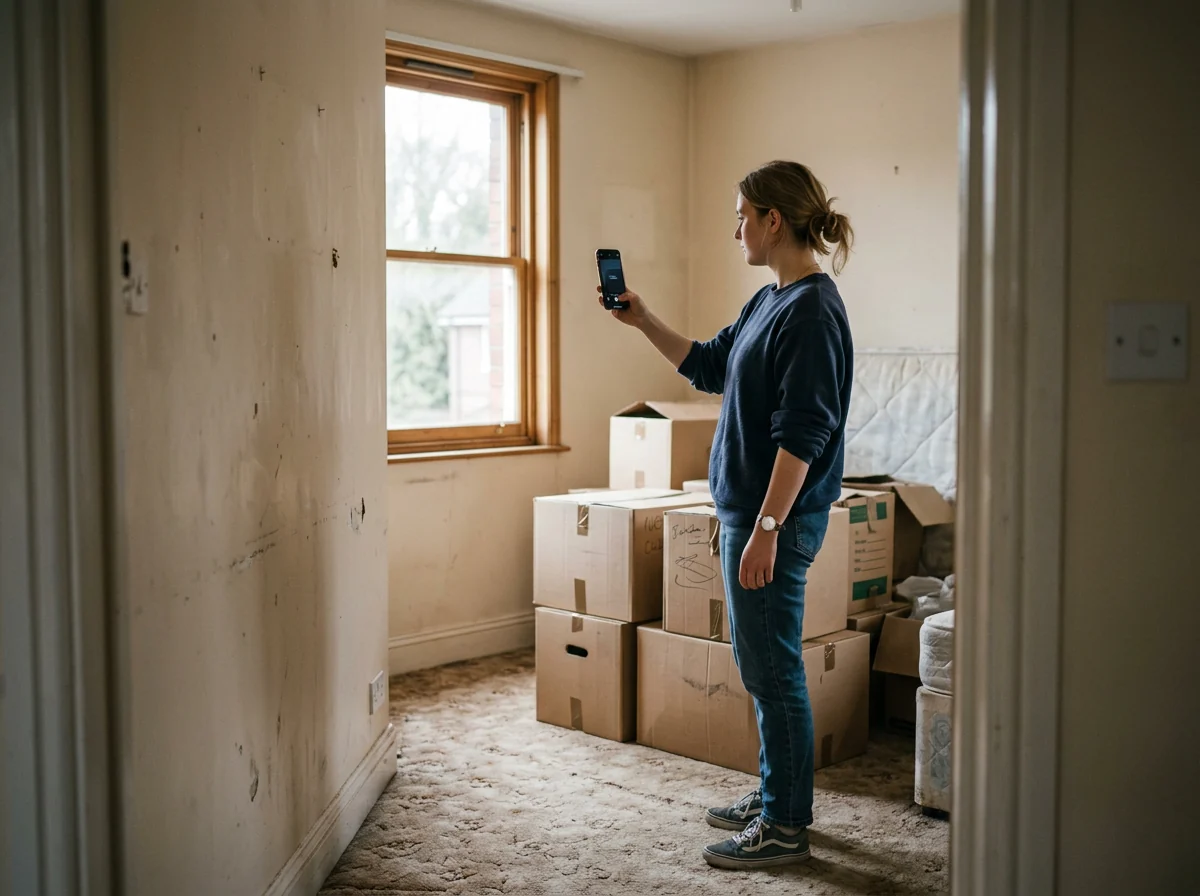
Signs It's Time to Stop Living With Your Best Friend
You moved in together expecting late-night kitchen conversations, spontaneous movie marathons, and the kind of effortless companionship that made your friendship so great in the first place. For a while, maybe it was exactly that. But lately, you've noticed something shifting. The sink full of dishes doesn't just annoy you—it makes you resent them. You close your bedroom door more often than you open it. When your phone buzzes with their name, you feel a small knot in your stomach instead of excitement.
Living with a best friend can be one of the most rewarding experiences of your twenties and thirties—or it can slowly corrode the very friendship you were trying to celebrate. The hardest part isn't recognizing the problem. It's admitting that the person you love spending time with might not be the person you should share a lease with.
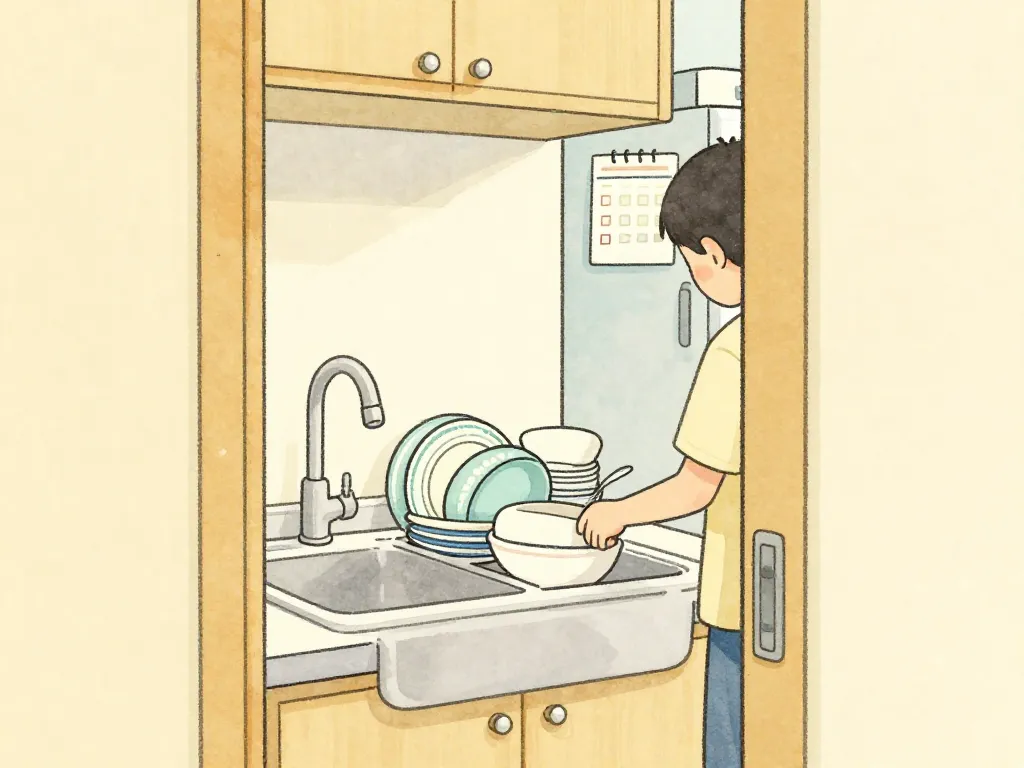
You're Keeping Score—and You're Always Losing
Healthy cohabitation involves some mental bookkeeping. You bought toilet paper last time, so they'll grab it this round. That's normal. But when scorekeeping becomes your dominant mental state—when you're cataloging every unwashed pan, every late utility payment, every time they ate your leftovers—something has gone wrong.
Scorekeeping is rarely about the actual items on the list. It's a symptom of feeling unheard, unappreciated, or taken advantage of. And when the person on the other end of that resentment is your best friend, the emotional stakes are significantly higher than they would be with a stranger from a roommate app.
What this looks like in practice:
- You mentally note every chore imbalance but never bring it up directly
- You vent about your roommate to mutual friends more than you talk to them
- You've started doing passive-aggressive things—loudly cleaning at 7 a.m., "accidentally" leaving their mail in a pile
- The phrase "it's fine" has become your most-used lie
If you've been keeping a running tab of grievances for weeks or months, that's not a dish problem or a rent problem. That's a compatibility-under-one-roof problem.
Your Friendship Now Exists Almost Entirely Within the Apartment
Think back to before you lived together. You probably made plans. You chose to spend time together—at a restaurant, a park, someone's party. There was intention behind your hangouts.
Now think about the last month. How many times have you spent quality time together that wasn't just being in the same apartment? When proximity replaces intentionality, friendships start to feel obligatory rather than chosen. You stop being people who actively enjoy each other and start being people who simply coexist.
Ask yourself:
- When was the last time we did something together outside the apartment that wasn't an errand?
- Do I look forward to seeing them, or do I just expect to see them?
- If we didn't live together, would I still be reaching out to make plans?
If the answers make you uncomfortable, pay attention to that discomfort.

You've Stopped Bringing Up Problems Because It's "Not Worth It"
There's a specific kind of silence that develops between best-friend roommates in trouble. It's not the comfortable silence of two people at ease with each other. It's the loaded silence of someone who has decided that raising an issue will cause more damage than swallowing it.
Maybe you've tried before and it didn't go well. Maybe they got defensive, or cried, or turned it around on you. Maybe the conversation technically happened but nothing changed. So now you've adopted a strategy of quiet endurance, telling yourself you can tolerate it until the lease ends.
This avoidance pattern is a friendship killer. Every unspoken frustration becomes a brick in a wall you're building between you, and by the time the wall is visible to both of you, it may be too high to dismantle.
Signs you've entered avoidance mode:
- You rehearse confrontations in your head but never have them
- You've lowered your standards for cleanliness, noise, or shared space just to avoid friction
- You feel relief when they're not home
- You've started spending more nights at a partner's place, a friend's couch, or anywhere that isn't your apartment
Feeling relief at your roommate's absence is one of the clearest signals that your living situation is actively harming your wellbeing—and your friendship.
Your Lifestyles Have Diverged More Than You Expected
When you signed the lease, maybe you were both in similar places: same work schedule, similar social habits, compatible sleep patterns. But people change, and sometimes they change in directions that make cohabitation difficult.
One of you got a partner who's over five nights a week. One of you started working from home while the other needs the apartment quiet when they get back from a 10-hour shift. One of you adopted a dog. One of you stopped drinking and the other still hosts pregames every weekend.
None of these changes make anyone a bad person. But they can make two people bad roommates, even when they're great friends.
Common lifestyle divergences that create roommate friction:
- Sleep schedules: One person is a 6 a.m. riser; the other is up until 2 a.m.
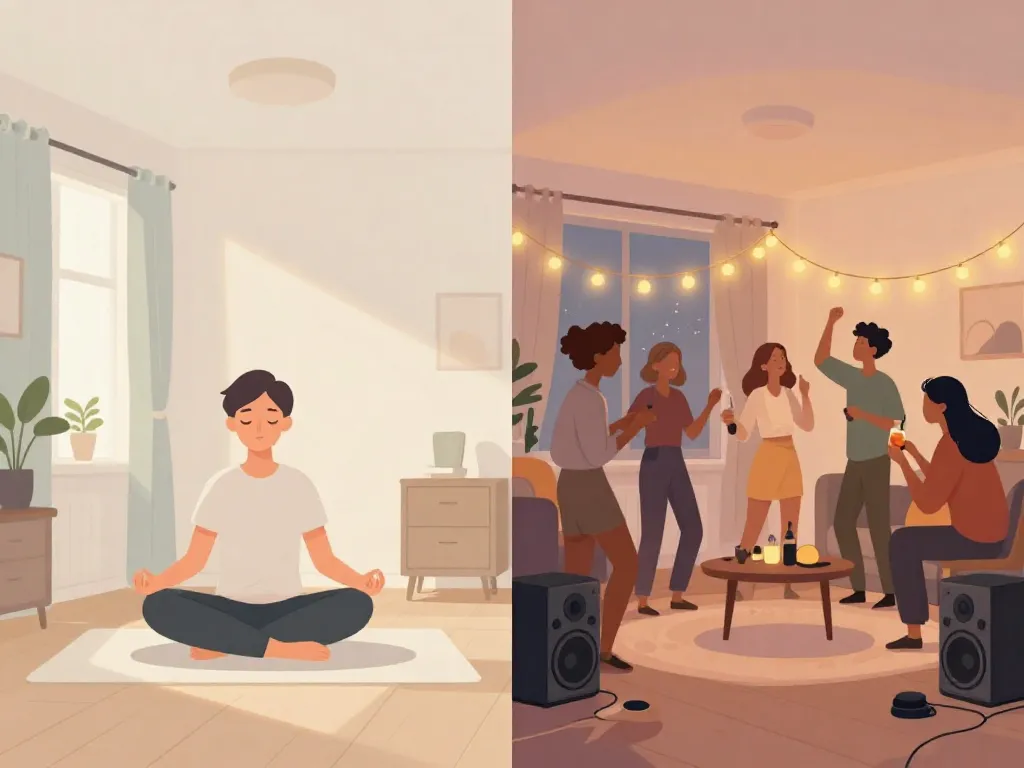
- Social habits: One wants a quiet sanctuary; the other wants a social hub
- Financial shifts: One gets a raise and wants nicer things; the other is on a tighter budget than before
- Cleanliness standards: One has gotten more particular; the other has gotten more relaxed
- Relationship changes: A new partner effectively becomes a third, non-paying roommate
These aren't moral failures. They're practical incompatibilities.
You're Starting to Dislike Traits You Used to Love
This might be the most painful sign on the list. Their spontaneity, which you always admired, now reads as irresponsibility. Their easygoing nature, which once made them such a calming presence, now feels like carelessness. Their generosity with friends—always inviting people over, always saying yes—has become an invasion of your personal space.
When proximity causes you to reinterpret someone's core personality traits as flaws, the living situation isn't just inconvenient. It's actively rewriting your perception of someone you care about. If you don't change the circumstances, you risk losing not just the roommate but the friend.
A useful thought experiment: imagine running into this person at a coffee shop after not seeing them for a month. Would you feel warmth and excitement? Or exhaustion? If it's the latter, the damage is already accumulating.
You've Had the Same Argument More Than Three Times
Once is a miscommunication. Twice is a pattern emerging. Three times is a structural problem that talking alone won't fix.
Recurring arguments between best-friend roommates tend to follow a predictable cycle: tension builds, someone finally snaps, there's an emotional conversation where both people feel heard, things improve for a week or two, and then the original behavior resumes. The conversation felt productive in the moment, but it didn't actually change anything.
This cycle is exhausting and demoralizing, and it erodes trust more than the original issue ever could. If you find yourselves circling the same drain—whether it's about guests, groceries, noise, rent, or cleaning—you're dealing with a fundamental mismatch that no amount of conversation will resolve.
If you haven't already, consider putting your expectations in writing before the next lease decision. Tools like Servanda can help roommates create clear, structured agreements that address recurring friction points—not as a replacement for trust, but as a foundation for it.
How to Move Out Without Losing the Friendship
Recognizing that you need to stop living with your best friend is the hard part. The next part—actually doing it—requires care, honesty, and a plan.
1. Name the real reason (to yourself first)
Before you have the conversation, get clear on your own motivations. "I need more personal space" is honest and kind. "You're a terrible roommate" is neither. Frame the move as something you need, not something they caused.
2. Choose the right moment
Don't bring it up during or immediately after a fight. Don't do it over text. Find a calm, private moment—ideally not inside the apartment—and be direct.
3. Give generous notice
Respect the lease, respect their finances, and give them as much time as possible to find a replacement or make their own plans. Surprising someone with a move-out date two weeks away is a friendship-ending move.
4. Separate the logistics from the emotions
Have one conversation about how you feel and a separate one about the practical details: lease terms, security deposit, furniture, shared subscriptions. Mixing the two creates chaos.
As soon as the move-out plan is in place, start making plans that have nothing to do with cohabitation. Dinner on Thursday. A hike on Saturday. Remind both of you that the friendship exists beyond shared walls.
Example script to start the conversation:
"I've been thinking about this for a while, and I want to be honest with you because I care about our friendship. I think living together has started to put strain on us, and I don't want to let that keep building. I'd like to talk about finding separate places when our lease is up—not because anything is wrong with you, but because I think we're better as friends who choose to hang out than as roommates who have to."
It won't be a comfortable conversation. But it's far less painful than the slow, silent dissolution of a friendship you both value.
When the Friendship Is Worth More Than the Convenience
Here's the truth that nobody talks about when you're excitedly apartment-hunting together: the best friendships aren't tested by distance. They're tested by proximity. Choosing to stop living with your best friend isn't a failure—it's a recognition that some relationships thrive with a little breathing room.
The friends who navigate this transition well tend to share a few things in common. They're honest early rather than resentful late. They treat the move-out as a practical decision rather than an emotional referendum. And they invest energy into the friendship after the move, proving that physical separation doesn't have to mean emotional distance.
If you're seeing these signs in your own living situation, trust what you're feeling. The lease will end. The awkward conversation will pass. But a best friend—a real one—can last the rest of your life, if you make the brave choice to protect the relationship before the apartment destroys it.
Frequently Asked Questions
How do you know if you should stop living with your best friend?
Key warning signs include constant scorekeeping over chores and expenses, avoiding honest conversations about problems, feeling relief when they're not home, and noticing that traits you once loved now irritate you. If you've had the same unresolved argument more than three times or your friendship only exists within the apartment walls, it's likely time to consider separate living arrangements.
How do you tell your best friend you don't want to live together anymore?
Choose a calm, private moment outside the apartment—not during or after a fight—and frame the conversation around your own needs rather than their shortcomings. A good approach is to say something like, "I think living together has started to strain our friendship, and I'd like to talk about finding separate places when our lease is up." Give generous notice and immediately start making plans to spend time together outside the home.
Can a friendship survive after you stop being roommates?
Many friendships come back stronger once the pressure of cohabitation is removed. The key is treating the move-out as a practical decision rather than an emotional rejection, being honest early before resentment builds too far, and actively investing in the friendship afterward with intentional hangouts and quality time.
How do you handle roommate conflicts with a best friend without ruining the relationship?
Address issues directly and early rather than swallowing frustrations until they explode, and separate logistical discussions from emotional ones. Creating a written roommate agreement—using tools like Servanda to structure expectations around chores, guests, noise, and finances—can prevent recurring conflicts by giving both people a clear, shared framework to reference.
Is it normal to resent your best friend when you live together?
It's extremely common and doesn't mean your friendship is broken—it means constant proximity is revealing practical incompatibilities that didn't exist when you chose to spend time together. Resentment typically builds from unspoken expectations, lifestyle differences, and the loss of personal space, and recognizing it early is a sign you care enough about the friendship to protect it.