Ex Baptized Our Kid Without Asking: Now What?
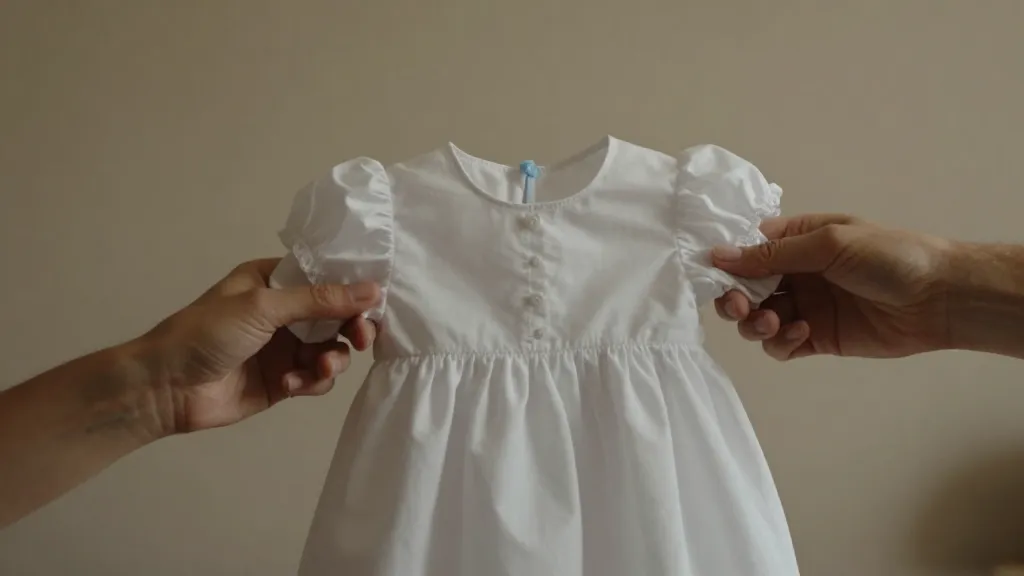
You open your phone to a photo your mother-in-law posted on Facebook. There's your four-year-old daughter in a white gown, standing at the front of a church, water dripping from her forehead. Your ex is beaming beside her. No one called you. No one texted. No one asked.
The wave of emotions that follows—betrayal, anger, helplessness, maybe even grief—is overwhelming. And it's valid. When your ex baptized your kid without asking, they didn't just make a religious choice. They made a unilateral decision about your child's upbringing and cut you out of the process entirely.
This situation is more common than you might think, and it strikes at one of the most sensitive fault lines in coparenting: religion. Whether you're deeply religious yourself, follow a different faith, or aren't religious at all, the sting of being excluded from a major milestone in your child's life is real.
Here's what you can actually do about it—legally, practically, and emotionally.

Why This Feels Like Such a Big Deal (Because It Is)
Baptism isn't a haircut. For many families, it's a profound spiritual commitment. For others, it represents a worldview they don't share. Either way, it's a decision that carries weight—symbolic, cultural, and sometimes legal.
What makes this particular conflict so painful is that it sits at the intersection of three deeply personal areas:
- Parental authority: You have a right to participate in major decisions about your child's life.
- Religious belief: Faith (or the absence of it) is tied to identity, family history, and values.
- Trust: When your coparent acts without consulting you, it damages the already fragile infrastructure of your coparenting relationship.
A father we'll call Marcus described it this way: "It wasn't about the baptism itself. It was that she decided I didn't matter enough to be part of the conversation. That's what I couldn't get past."
What the Law Actually Says About Religious Decisions in Coparenting
The legal landscape around religious upbringing in coparenting varies significantly depending on your custody arrangement and jurisdiction. But here are the general principles most family courts follow.
Joint Legal Custody Usually Means Joint Decisions
If you share joint legal custody, both parents typically have equal say in major decisions affecting the child. Most courts consider religious upbringing a major decision. That means your ex likely needed your consent—or at minimum, a good-faith discussion—before proceeding with a baptism.
However, there's an important nuance: courts in the United States generally avoid interfering with religious practices unless there's evidence of harm to the child. A judge may be reluctant to "undo" a baptism or punish a parent for it, but they may:
- Issue orders clarifying decision-making authority going forward
- Modify custody arrangements if a pattern of unilateral decisions exists
- Order mediation to establish religious upbringing agreements
Sole Legal Custody Changes the Equation
If your ex has sole legal custody, they may have the legal right to make religious decisions independently. That doesn't make it right or considerate, but it does change your legal options.
What If Your Custody Order Is Silent on Religion?
Many parenting plans don't explicitly address religious upbringing. If yours doesn't, this incident is a painful but important wake-up call. You'll want to address this gap—ideally before the next conflict arises.
Action step: Pull out your custody agreement right now and look for language about "major decisions," "legal custody," or "religious upbringing." Knowing what your order actually says is the foundation for everything that follows.

What You Can Do Right Now
You're angry. That's fair. But the steps you take in the next few days will shape whether this becomes a turning point or a breaking point in your coparenting relationship.
1. Don't Confront Your Ex in the Heat of the Moment
A furious phone call or a blistering text message might feel satisfying for ten seconds, but it gives your ex ammunition to paint you as "unreasonable" or "hostile"—especially if this ever ends up in front of a judge.
Write down everything you're feeling. Vent to a trusted friend. Then, when you've moved from reactive to deliberate, proceed to step two.
2. Document Everything
Before you reach out to your ex, gather evidence:
- Screenshots of social media posts about the baptism
- Any texts or messages where the baptism was mentioned (or conspicuously not mentioned)
- The date it occurred and whether it happened during your ex's parenting time
- Any prior conversations about religion or baptism
3. Reach Out in Writing
When you're ready, send a calm, clear message to your ex. Keep it factual and focused. Here's a framework:
"I learned that [child's name] was baptized on [date]. I wasn't informed or consulted about this decision. Under our custody agreement, major decisions about [child's name]'s upbringing—including religious decisions—require input from both parents. I'd like to discuss how we handle these situations going forward so we're both involved."
Notice what this message does not do:
- It doesn't attack your ex's faith or character
- It doesn't threaten legal action
- It doesn't demand the baptism be "reversed"
It states the issue, references the custody framework, and opens the door to resolution.
4. Consult a Family Law Attorney
If your ex responds dismissively, refuses to engage, or this is part of a pattern of unilateral decisions, consult a lawyer. A family law attorney can help you:
- Interpret your existing custody order
- File a motion to clarify or modify decision-making authority
- Request court-ordered mediation on religious upbringing
- Document a pattern of behavior if contempt proceedings become necessary
Having the Bigger Conversation About Religion
The baptism already happened. You can't un-ring that bell. But you can use this moment to establish clear expectations for the future.
Define What Counts as a "Major Religious Decision"
Coparents often disagree because they have different definitions of what requires a conversation. Get specific:
| Category |
Examples |
| Major decisions requiring joint input |
Baptism, confirmation, bar/bat mitzvah, enrollment in religious school, commitment ceremonies |
| Gray area |
Attending religious services during parenting time, saying prayers at meals, religious holiday celebrations |
| Individual decisions |
Wearing religious symbols, reading religious texts, answering the child's questions about faith |
Consider Your Child's Experience
In the middle of your justified anger, don't lose sight of your child's perspective. Depending on their age, they may have experienced the baptism as a special day where they felt loved, or as something confusing they don't understand.
Your child needs to know they didn't do anything wrong. Avoid making disparaging comments about the ceremony, your ex's faith, or the people who participated. Your child shouldn't carry the weight of this adult conflict.

Put It in Writing
Verbal agreements about religion tend to dissolve the moment tensions rise. If you and your ex can reach an understanding about how religious decisions will be handled, write it down.
This could be a formal modification to your parenting plan filed with the court, or a less formal written agreement that you both sign. AI-powered mediation platforms like Servanda can help coparents create structured written agreements on sensitive topics like religion, giving both parties a clear reference point.
The goal is to ensure that both parents have a voice in decisions that shape your child's identity.
When Your Ex Won't Engage
Sometimes you do everything right—you stay calm, you communicate clearly, you propose solutions—and your ex still refuses to acknowledge the problem. These responses tell you that informal resolution probably isn't going to work and that you may need third-party intervention.
Your options at this point include:
-
Mediation: A neutral mediator can help you and your ex negotiate a religious upbringing agreement. Many courts require mediation before hearing motions about custody modifications.
-
Filing a motion with the court: If your ex violated the terms of your custody order, you can file a motion asking the court to enforce the order or modify it to add explicit language about religious decisions.
-
Requesting a guardian ad litem: In high-conflict cases, a court-appointed advocate for the child can assess the situation and make recommendations to the judge.
What Courts Consider When Religion Becomes a Dispute
If this does go before a judge, here's what most courts weigh:
- The child's best interests: This is always the primary standard. Courts ask whether the religious practice benefits or harms the child.
- The status quo: What religious exposure has the child had up to this point? Courts generally prefer stability.
- Both parents' rights: The First Amendment protects religious freedom, which courts take seriously on both sides.
- Evidence of harm: Courts are much more likely to intervene if a religious practice causes the child demonstrable emotional or physical distress.
Most courts will not declare one religion "better" than another. They're far more focused on process (did both parents have input?) than theology.
Protecting the Relationship That Matters Most
No court order or agreement can fully protect you from a coparent determined to act unilaterally. What you can protect is your relationship with your child.
That means:
- Being the parent who explains rather than the parent who explodes
- Giving your child permission to love both parents and both traditions (if applicable)
- Focusing your energy on what you can control: your own home, your own values, your own example
- Not turning your child into a messenger or ally in an adult dispute
The baptism happened. You can't change that. But you can change what happens next—and that starts with being deliberate about the kind of coparent you want to be, even when your ex makes it difficult.
Conclusion
Discovering your ex baptized your kid without asking is a gut punch. But your response to it matters more than the event itself. Document what happened. Communicate clearly and in writing. Consult a lawyer if your custody order was violated. Have the bigger conversation about how religious decisions will be handled going forward, and get those agreements on paper.
Most importantly, keep your child at the center. They didn't choose this conflict, and they need both parents to handle it with maturity. This moment can either deepen the divide or become the catalyst for clearer, more respectful coparenting.
Frequently Asked Questions
Is it legal for my ex to baptize our child without my permission?
If you share joint legal custody, most courts consider baptism a major decision that requires input from both parents. However, if your ex has sole legal custody or your parenting plan is silent on religious decisions, their legal authority may be broader. Consult a family law attorney to evaluate your specific custody order and jurisdiction.
Can a court reverse or undo a child's baptism?
Courts generally cannot and will not reverse a religious sacrament like baptism. However, a judge can issue orders that clarify decision-making authority going forward, modify custody arrangements, or require mediation to prevent future unilateral religious decisions.
What should I say to my ex after they baptized our child without telling me?
Reach out in writing with a calm, factual message that identifies what happened, references your custody agreement's requirements for joint decision-making, and proposes a conversation about handling religious decisions going forward. Avoid attacking their faith, threatening legal action, or demanding the baptism be reversed.
Can I take my ex to court for baptizing our child without consent?
If your custody order grants you joint legal custody and your ex made this decision without consulting you, you may be able to file a motion for contempt or to modify your custody order. Courts are more likely to intervene if there is a pattern of unilateral decision-making rather than a single incident.
How do I talk to my child about a baptism I didn't agree to?
Reassure your child that they did nothing wrong and that the day was about people caring for them. Avoid making negative comments about the baptism, your ex's religion, or the family members who participated. Focus on making your child feel emotionally safe and loved by both parents.