
Roommates

Moving Out Scripts: What to Say to Your Roommate

By Luca · 9 min read · Jul 16, 2025
Moving Out Scripts: What to Say to Your Roommate

Moving Out Scripts: What to Say to Your Roommate

You've made the decision. Maybe it's a new job across town, a partner you're ready to move in with, or maybe you just need your own space. Whatever the reason, there's one conversation standing between you and your next chapter — and it's the one you keep rehearsing in the shower.

Figuring out how to tell your roommate you're moving out is one of those life tasks nobody teaches you. It feels loaded. You might worry about hurting their feelings, leaving them stuck with rent, or turning the remaining weeks in your shared space into an awkward standoff. So you put it off. You drop vague hints. You spiral.

Here's the thing: this conversation doesn't have to be a disaster. With the right timing, the right words, and a clear plan, you can move out without blowing up a friendship or creating unnecessary stress. Below, you'll find actual scripts — word-for-word phrases you can adapt to your situation — plus a framework for handling the most common reactions.
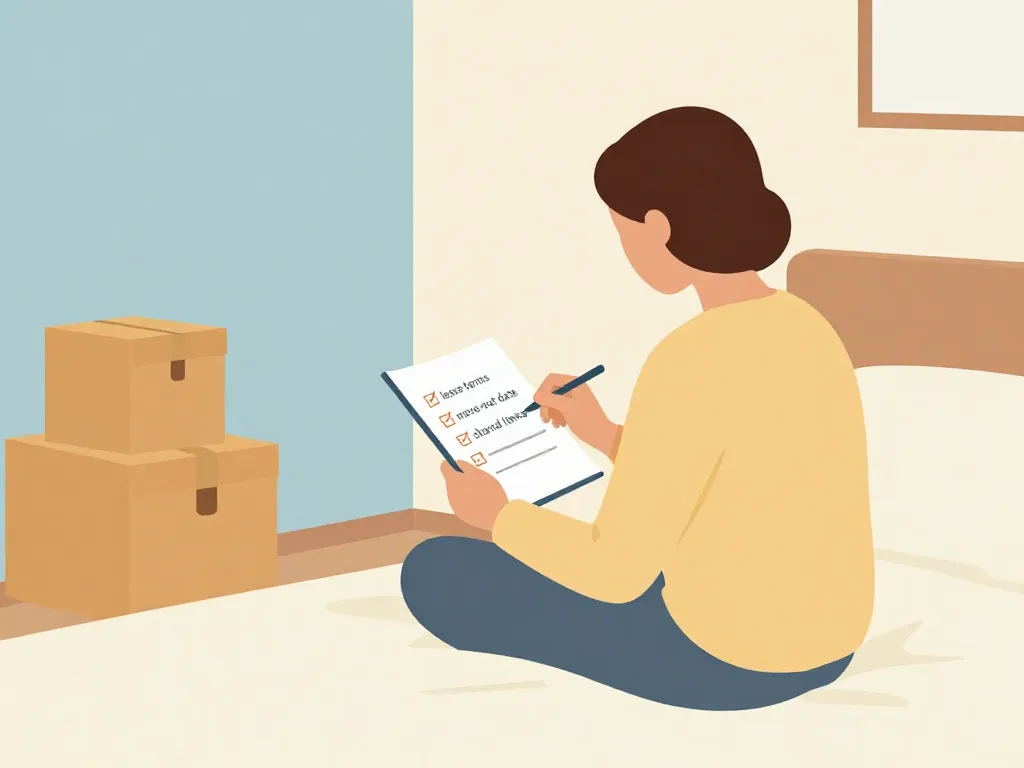
Illustration of a person reviewing a move-out checklist while sitting on their bed with a few boxes nearby

Key Takeaways

  • Before starting the conversation, know your move-out date, lease terms, notice requirements, and how you'll handle shared expenses so you can offer clarity instead of ambiguity.
  • Have the conversation face-to-face during a calm, neutral moment — not over text, not right before bed, and not when your roommate is already stressed.
  • Lead with respect and pivot to solutions by stating your reason without over-explaining, removing blame, and immediately offering to help with the transition.
  • Put your agreed-upon move-out plan in writing — including the move-out date, final rent payment, deposit split, and shared items — to prevent misunderstandings later.
  • If the conversation goes badly, stay calm, send a follow-up in writing to create a record, and seek outside help from a landlord, mediator, or structured platform if direct communication stalls.

Before You Say Anything: Prepare Your Foundation

The biggest mistake people make isn't what they say — it's that they haven't thought through the logistics before they open their mouths. Your roommate's first questions will be practical ones, and being unable to answer them will make the conversation feel chaotic instead of calm.

Know These Details First

  • Your move-out date. Have at least a target month, even if you don't have an exact day yet.
  • What your lease says. Are you on a joint lease? Month-to-month? Is there a required notice period (30 days, 60 days)? This isn't optional — it's the foundation of the entire conversation.
  • Whether you've found a replacement. You don't need to have one lined up, but knowing whether you're willing to help find one matters.
  • How you'll handle shared expenses. Last month's rent, security deposit splits, shared furniture, utilities in your name — think through all of it.

Walking into the conversation with answers to these questions doesn't just make you look considerate. It actually reduces the emotional charge of the moment because you're offering clarity instead of ambiguity.

Choosing the Right Moment

Timing isn't everything, but it's a lot. Avoid these scenarios:

  • Right before bed. Your roommate will lie awake processing and you won't be available to talk it through.
  • When they've just had a terrible day. Read the room.
  • Over text. Unless your living situation is hostile or unsafe, this conversation deserves face-to-face delivery.
  • In front of other people. This includes mutual friends, partners, or other housemates (at least for the initial conversation).

The ideal setup: A relaxed weekend morning or early evening when you're both home, not rushing anywhere, and not mid-argument about the dishes. You want neutral emotional ground.

A Simple Opener to Set the Tone

Don't ambush them. Signal that you want to have a real conversation:

"Hey, do you have a few minutes? There's something I want to talk to you about — nothing bad, I just want to loop you in on some plans."

That last part — "nothing bad" or "not an emergency" — helps prevent the adrenaline spike that comes when someone says "we need to talk."

A roommate having a direct conversation about moving out while the other listens thoughtfully on the couch

The Scripts: Word-for-Word Examples for Every Situation

Below are scripts for the most common moving-out scenarios. Use them as starting points and adjust the language to sound like you.

Script 1: The Friendly Roommate (You're on Good Terms)

This is the most common situation, and honestly, the one people overthink the most.

"I've been thinking about this for a while and I want to be upfront with you. I'm planning to move out around [month/date]. It's not about anything you've done — I've really enjoyed living with you. [Insert honest reason: I'm moving in with my partner / I found a place closer to work / I just feel ready for my own space.] I wanted to give you as much notice as possible so we can figure out the logistics together. I'm happy to help find someone to take over my part of the lease if that's useful."

Why this works: It leads with respect. It removes blame. It offers a reason without over-explaining. And it immediately pivots to solutions.

Script 2: The Roommate You've Had Conflicts With

When tensions have been building, it's tempting to use this moment to air every grievance. Resist that urge. The goal isn't to win — it's to leave cleanly.

"I want to let you know that I've decided to move out. I'll be leaving by [date], which gives us [X weeks/months] to sort out the details. I think this will be a good change for both of us. I'd like to make the transition as smooth as possible — can we set aside some time this week to go through the lease and figure out how to handle the deposit and shared stuff?"

Why this works: It's direct without being aggressive. "A good change for both of us" acknowledges the tension without assigning blame. Suggesting a separate logistics meeting gives everyone space to process before diving into details.

Script 3: You Need to Move Out Quickly (Under 30 Days)

Sometimes life doesn't hand you a generous timeline. A job relocation, a family emergency, a safety concern. When you need to leave fast, honesty and accountability go furthest.

"I know this isn't ideal timing, and I'm sorry I can't give you more notice. [Situation] means I need to move out by [date]. I understand that puts you in a tough position, and I want to do what I can to make this easier. I'm willing to [pay my share through the end of next month / help find a subletter / cover the cost of listing for a new roommate]. Can we talk about what would help most?"

Why this works: It acknowledges the impact without groveling. It offers concrete forms of help instead of vague promises. And the closing question puts your roommate in the driver's seat, which goes a long way when someone feels blindsided.

Script 4: You're Both on the Lease and It's Complicated

Joint leases add a layer of legal and financial complexity that makes this conversation feel higher stakes.

"I want to talk about the lease situation. I've been thinking about moving out when our lease is up in [month], and I wanted to bring it up now so we have time to figure out our options. I've already looked into it a little — [what you know about breaking the lease, subletting policies, or renewal terms]. I'm not trying to leave you in a lurch. I want us to figure out a plan that works for both of us."

Why this works: Leading with the fact that you've done research shows good faith. Raising it well before the lease ends gives both parties room to make decisions.

Script 5: You're the Leaseholder and They Need to Go

This is the inverse situation, and it carries a different kind of discomfort. You hold the power here, which means delivering the message with extra care.

"This is a hard conversation to have, and I want to be straightforward with you. I've decided to [move in with someone else / live alone / not renew your part of the arrangement] starting [date]. I know that's a big change, and I want to give you as much time as possible to find a new place. I'm thinking [X weeks/months] — does that feel workable for you?"

Why this works: Naming that it's hard shows you're not cavalier about it. Providing a clear timeline while asking for their input balances firmness with respect.
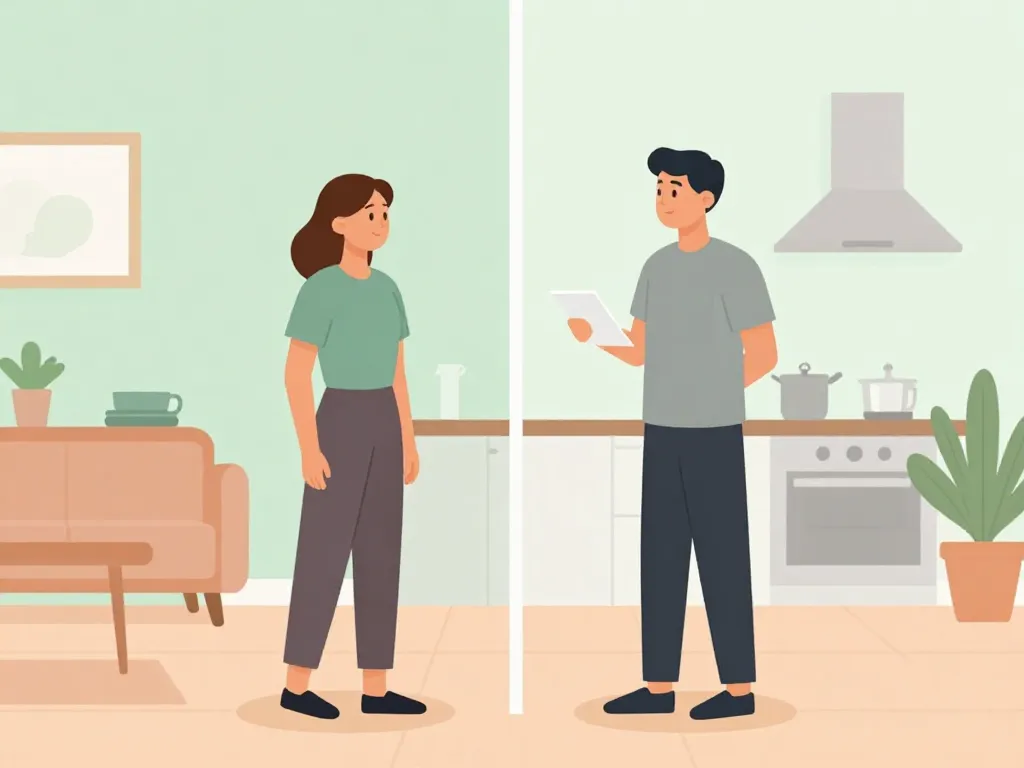

Illustration of two roommates dividing shared household items cooperatively with a written plan

Handling Their Reaction: What to Expect and What to Say

No matter how well you deliver your script, you can't control how your roommate reacts. Here's how to navigate the most common responses.

If They're Hurt or Upset

Let them feel it. Don't rush to fix their emotions.

"I understand this is a lot to take in. I didn't want to blindside you, which is why I'm telling you now. Take whatever time you need to process, and we can talk through the details whenever you're ready."

If They're Angry

Stay calm. Don't match their energy.

"I hear you, and I get why you're frustrated. I'm not trying to screw you over — I want to handle this responsibly. Let's talk about what you need from me to make this transition work."

If They Try to Talk You Out of It

This is more common than you'd expect, especially with roommates you're close to.

"I really appreciate that you want me to stay — that means a lot. But I've thought about this a lot and I'm confident it's the right decision for me. I'd rather focus on making sure we end this chapter well."

If They Immediately Jump to Logistics

Some people process through problem-solving. Roll with it.

"Great, let's figure this out. I was thinking we could go through the lease, the deposit, and anything shared this weekend — does that work for you?"

After the Conversation: Creating a Clear Transition Plan

The conversation is only step one. What comes next determines whether the move-out goes smoothly or devolves into passive-aggressive sticky notes on the fridge.

Put It in Writing

This doesn't need to be a legal document. A shared note or email covering the basics prevents the "I thought you said..." conversations later. Include:

  • Move-out date
  • Last rent payment date and amount
  • How the security deposit will be split or returned
  • Who keeps shared items (furniture, kitchen supplies, that cursed air fryer)
  • Cleaning responsibilities before move-out
  • Whether you're helping find a replacement roommate

Tools like Servanda can help you and your roommate turn these verbal agreements into a clear, written document — especially useful when emotions are running high and details are easy to forget.

Set a Check-In

Agree to revisit the plan in a week or two. Situations evolve, timelines shift, and having a built-in moment to adjust prevents resentment from building.

Keep Living Together Like Adults

The weirdest part of moving out is the in-between period. You've announced you're leaving, but you're still sharing a bathroom. A few ground rules:

  • Don't start mentally checking out of shared responsibilities. Keep paying your share, keep cleaning, keep being a reasonable housemate until the day you leave.
  • Don't badmouth them to mutual friends. Even if the relationship is strained, gossip always gets back to people.
  • Don't pack up shared spaces prematurely. Stripping the living room bare three weeks before your move-out date sends a message you probably don't intend.

What If the Conversation Goes Badly?

Sometimes you do everything right and it still blows up. Your roommate ghosts you emotionally, starts slamming doors, or refuses to engage with logistics. Here's your fallback plan:

  1. Send a follow-up in writing. A calm, factual text or email restating your move-out date and proposed plan. This creates a record.
  2. Involve the landlord if necessary. If you're on a joint lease and your roommate is stonewalling, your landlord needs to know what's happening.
  3. Don't engage in escalation. If they want a fight, the most powerful thing you can do is not give them one. Stay boring. Stay factual. Stay kind.
  4. Seek outside help. A mutual friend, a mediator, or even a structured conversation through an AI-powered platform can break the stalemate when direct communication has stalled.

Quick Reference: Phrases to Keep in Your Back Pocket

For those moments when your brain goes blank mid-conversation:

Situation What to Say
Opening the conversation "I want to loop you in on some changes I'm planning."
Giving the reason "This is about what I need right now, not about anything you've done."
Offering help "I want to make this as easy as possible. What would help most?"
Setting a boundary "I've made this decision and I'm confident in it."
Handling anger "I understand you're frustrated. Let's focus on what we can control."
Returning to logistics "Can we set a time to go through the practical details?"

Conclusion

Telling your roommate you're moving out is uncomfortable, but it doesn't have to be destructive. The formula is simpler than it feels: prepare your logistics, choose a good moment, be honest without being hurtful, and offer a clear path forward. The scripts in this article are starting points — adjust them until they sound like something you'd actually say.

What matters most isn't delivering a perfect speech. It's showing your roommate that you respect them enough to be direct, give them adequate notice, and work through the transition together. Most people will rise to meet that level of consideration. And even if they don't, you'll walk away knowing you handled it with integrity.

Your next chapter is waiting. Start the conversation.

Frequently Asked Questions

How much notice should I give my roommate before moving out?

At minimum, give the notice period required by your lease — typically 30 or 60 days. Even if your lease allows shorter notice, giving as much lead time as possible shows respect and gives your roommate a realistic window to find a replacement or make other living arrangements.

Should I tell my roommate I'm moving out over text?

Unless your living situation is hostile or you feel unsafe, have this conversation face-to-face. Text strips away tone and body language, which makes it easier for your message to be misread as cold or dismissive. After the in-person talk, follow up with a written summary to keep everyone on the same page.

How do I tell my roommate I'm moving out without ruining the friendship?

Be honest about your reason, make it clear the decision isn't about something they did wrong, and immediately offer to help with the transition — like finding a replacement or covering extra costs. Most friendships survive a move-out when the person leaving shows they've thought about the impact and are willing to share the logistical burden.

What do I do if my roommate gets angry when I tell them I'm leaving?

Stay calm, validate their frustration without getting defensive, and redirect the conversation toward practical next steps. A phrase like "I understand you're frustrated — let's focus on what we can control" keeps things productive. If emotions are too high, suggest revisiting the logistics conversation in a day or two.

How do we split the security deposit when one roommate moves out?

Review your lease to understand how the deposit was structured and who paid what. Then agree in writing on whether the departing roommate gets their share back from the incoming replacement, from the remaining roommate, or at lease end. Documenting this agreement — using a tool like Servanda or even a simple shared note — prevents disputes down the line.

Get on the same page with your roommate

Servanda helps roommates create clear, fair agreements about chores, bills, guests, and everything else — so you can skip the awkward conversations.

Try It Free — For Roommates