Recovering Trust After a Roommate Sublet Disaster
You came home from a two-week trip to find a stranger sleeping on your couch, your favorite mug shattered in the kitchen trash, and a passive-aggressive text from your roommate explaining they'd "found someone to cover rent" while you were gone. No conversation beforehand. No heads-up. Just a fait accompli and a person you'd never met using your shower caddy.
A roommate sublet gone wrong isn't a dirty-dishes argument. It hits differently because it involves your physical safety, your legal liability, and the fundamental question of whether your roommate respects you enough to include you in decisions that affect your home.
Here's what makes sublet conflicts uniquely damaging:
- Boundary violation: Someone brought a stranger into your private space without consent.
- Financial exposure: Unauthorized sublets can violate lease terms, putting everyone's housing at risk.
- Safety concerns: You didn't get to vet the person living in your home.
- Power imbalance: One person made a unilateral decision that affected everyone.
When someone named on a lease sublets without agreement, it can create legal complications — from eviction risk to liability for damages the subletter causes.
The Trust Breakdown Isn't Always Intentional
Before you write your roommate off entirely, consider that many sublet disasters come from ignorance rather than malice. Your roommate might have assumed you'd be fine with it since you were away anyway, faced sudden financial pressure, not understood the lease implications, or grown up in a household where this kind of arrangement was normal.
None of this excuses the behavior. But understanding the why behind it shapes how you approach the recovery.
Step 1: Name What Actually Happened (Without Escalating)
The first move in recovering trust is to get clear — with yourself — about what specifically bothered you. "I'm upset" is too vague to resolve, and "you're the worst roommate alive" is too aggressive to be productive.
Break it down:
- The action: "You sublet your room without telling me."
- The impact on you: "I felt unsafe coming home to a stranger in our apartment."
- The underlying concern: "I need to know that decisions about who lives here are made together."
This framework — action, impact, concern — gives you a script for the actual conversation. It's specific enough to be actionable and honest enough to be taken seriously.
What This Sounds Like in Practice
Consider how two roommates, let's call them Jordan and Alex, handled a nearly identical situation. Alex had sublet their room to a friend-of-a-friend for three weeks without telling Jordan.
Jordan's first instinct was to blow up over text. Instead, they waited 24 hours and said in person:
"When I came back and found Marcus here, I was genuinely startled. I didn't know who he was or that he'd been staying in our place. I need us to agree that neither of us brings someone in to live here — even temporarily — without the other person signing off."
No name-calling. No ultimatum. Just a clear description of the problem and what Jordan needed going forward.

Step 2: Have the Hard Conversation (A Practical Framework)
Once you've clarified your own thoughts, it's time to sit down with your roommate. Here's a structure that works:
Set the Stage
- Choose a time when neither of you is rushing, hungry, or emotionally flooded
- Sit at a table or in shared space — not in a doorway or through a bedroom door
- Put phones away
Use This Conversation Flow
- Open with your intention: "I want to figure this out because I'd like us to keep living together, but I need some things to change."
- Describe the situation factually: Stick to what happened, not your interpretation of their motives.
- Share your experience: How it affected you — practically and emotionally.
- Ask for their perspective: "I want to hear how you saw it." Then actually listen.
- Propose a path forward: Move toward solutions rather than dwelling on blame.
What If They Get Defensive?
Defensiveness is a normal response when someone feels accused. If your roommate deflects or minimizes:
- Don't match their energy. Stay grounded in your specific concerns.
- Acknowledge their feelings without abandoning yours: "I hear that you didn't mean any harm. The impact was still real for me."
- If the conversation gets heated, it's okay to pause: "Let's take a break and come back to this tomorrow."
The goal isn't to win. It's to establish whether your roommate can hear you, take responsibility, and commit to doing things differently.
Step 3: Rebuild with Written Agreements, Not Just Promises
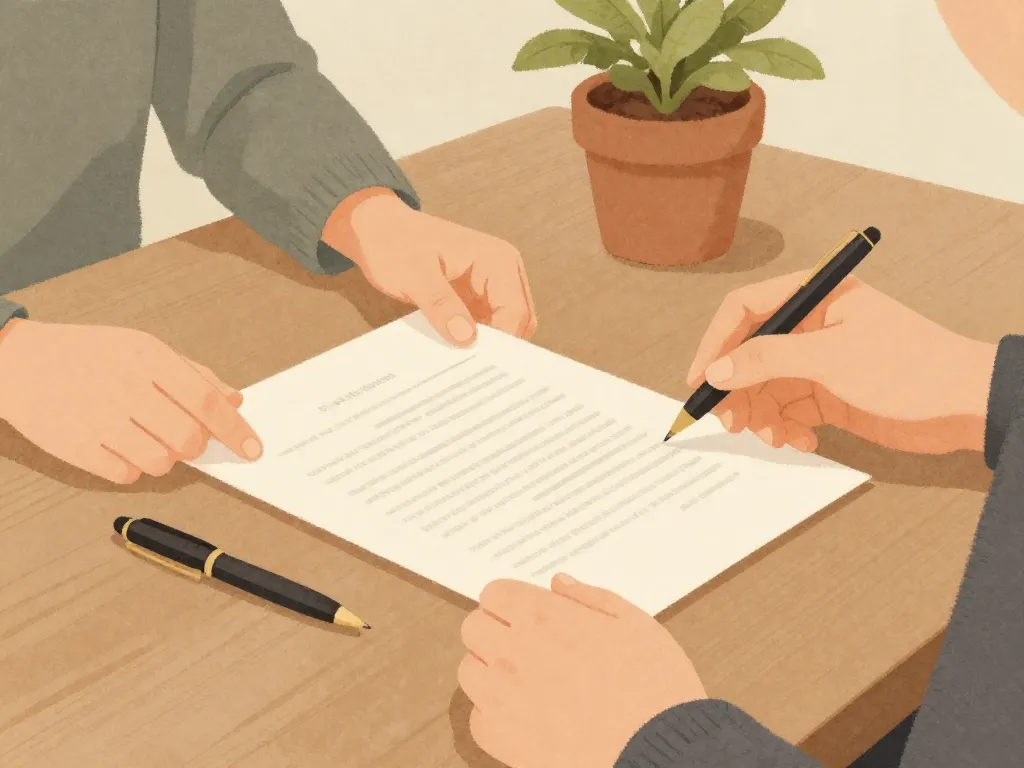
Verbal apologies feel good in the moment. But trust after a sublet disaster is rebuilt through structure, not sentiment. This is where many roommates stumble — they have a heartfelt talk, hug it out, and then six months later, something similar happens because nothing was actually formalized.
Here's what a post-sublet agreement should cover:
| Area |
Details |
| Subletting and Guests Policy |
Subletting requires written consent from all roommates. Define what counts as subletting versus having a guest (a common gray area — three nights? A week?). Establish a process: how much notice, how the subletter is vetted, who holds the financial responsibility. |
| Guest Boundaries |
Maximum consecutive nights for overnight guests. Whether guests can be in the apartment when the hosting roommate isn't home. How to raise concerns about a guest who's overstaying. |
| Financial Protections |
Who's responsible for damage caused by a subletter or guest. How shared costs are split during any approved sublet period. What happens if an unauthorized sublet leads to lease violations or fines. |
| Conflict Resolution Process |
How you'll handle future disagreements (weekly check-ins, a shared document for concerns, a mediator if things escalate). |
Writing things down doesn't mean you distrust each other. It means you're both serious about protecting the living arrangement. Tools like Servanda can help roommates create written agreements that prevent future conflicts by giving structure to conversations that otherwise stay vague and unenforceable.
Step 4: Watch for Follow-Through (Not Just Words)
An apology is a starting point, not an endpoint. In the weeks and months after your conversation, pay attention to behavioral signals:
Green flags — trust is rebuilding:
- Your roommate mentions a friend who needs a place to crash and asks you before offering
- They bring up the agreement proactively, not just when you remind them
- They check in about how you're feeling about the living situation
- Small commitments are honored consistently (shared chores, rent timing, noise levels)
Red flags — the pattern may repeat:
- They minimize what happened when it comes up: "You're still on about that?"
- They agree to the new terms but don't follow them
- They make similar decisions in other areas without consulting you
- They frame your boundaries as controlling or unreasonable
Trust is rebuilt through accumulated evidence, not a single conversation.
Step 5: Know When Recovery Isn't Possible
Not every roommate relationship can — or should — survive a sublet disaster. Sometimes the breach is too significant, or the response reveals a fundamental incompatibility in how two people approach shared space.
It might be time to plan an exit if:
- Your roommate refuses to acknowledge what happened was a problem
- They repeatedly cross boundaries you've clearly stated
- You don't feel safe in your own home
- The stress of monitoring the situation is affecting your mental health or daily life
Leaving a roommate situation isn't failure. Sometimes the most self-respecting thing you can do is recognize that trust has been broken beyond repair and make a clean plan for what's next. Review your lease terms, give proper notice, and protect yourself financially.
What Healthy Roommate Recovery Actually Looks Like
Recovering trust after a roommate sublet disaster doesn't mean returning to how things were before. It means building something stronger — a living arrangement with clear expectations, mutual respect, and the understanding that your home is a shared responsibility.
Here's what that looks like month by month:
- Month 1: Have the conversation. Draft written agreements. Expect things to feel awkward.
- Month 2: Check in on how the new agreements are working. Adjust what isn't realistic.
- Month 3: Evaluate honestly — is the relationship improving? Do you feel respected?
- Ongoing: Maintain regular (even brief) check-ins. Don't wait for the next crisis to talk about how things are going.
The roommates who make it through situations like this aren't the ones who pretend it never happened. They're the ones who used the disaster as a catalyst to define what they actually need from a shared living arrangement — and then held each other to it.
Frequently Asked Questions
Can my roommate sublet without my permission?
In most lease agreements, subletting requires written consent from all tenants on the lease and often from the landlord as well. If your roommate sublet without your permission, they may have violated the lease terms, which could put everyone at risk of eviction or financial penalties. Review your lease carefully and consider documenting the unauthorized sublet in case you need it later.
How do I talk to my roommate about an unauthorized sublet without starting a fight?
Wait until you're calm — ideally at least 24 hours — then request an in-person conversation at a neutral time when neither of you is stressed or rushed. Use a factual, non-accusatory approach: describe what happened, explain how it affected you, and clearly state what needs to change going forward rather than attacking their character.
What should a roommate subletting agreement include?
A solid subletting agreement should require written consent from all roommates before any sublet, define the difference between a guest and a subletter (e.g., number of consecutive nights), and clarify who is financially responsible for damages or lease violations. It should also outline how the subletter will be vetted, how costs are split, and what the process is for resolving disagreements.
How long does it take to rebuild trust with a roommate after a major conflict?
Expect the process to take at least three months of consistent follow-through on new agreements before trust starts to feel genuinely restored. The first month will likely feel awkward, the second is for adjusting what isn't working, and by the third you should be able to honestly evaluate whether the relationship is improving.
When should I just move out instead of trying to fix things with my roommate?
If your roommate denies the problem, refuses to honor agreed-upon boundaries, or you feel physically or emotionally unsafe in your own home, it's a strong sign that recovery isn't realistic. Prioritize your well-being — review your lease terms, give proper notice, and make a clean financial plan to transition out.