Roommate's Dog Ruining Your Apartment? How to Act
You come home after a long day to find another couch cushion shredded, claw marks gouged into the hardwood by the front door, and a mysterious stain soaking into the carpet that definitely wasn't there this morning. Your roommate's dog greets you at the door, tail wagging, completely unaware of the chaos. Your roommate? Not home yet.
This isn't the first time. The security deposit you split 50/50 is dwindling in your mind with every scratch and stain. You like your roommate. Maybe you even like the dog. But the damage is real, the costs are piling up, and you have no idea how to bring it up without sounding like you're issuing an ultimatum.
This guide walks you through exactly how to handle roommate pet damage in your apartment — step by step, without blowing up the relationship.
First, Get Clear on What's Actually Happening
Before you say a word to your roommate, take stock of the situation honestly. Not every inconvenience is damage, and not every damage is your roommate's fault to fix alone. Getting specific now will save you from a muddled, emotional conversation later.
Separate Annoyances from Actual Damage
There's a meaningful difference between "the dog barks when the mail carrier arrives" and "the dog has scratched through three inches of baseboard near the kitchen." Both are valid frustrations, but they require different conversations.
Actual damage includes:
- Scratched or gouged floors, doors, and trim
- Stained or torn carpet
- Chewed furniture, blinds, or fixtures
- Persistent odors that won't clean out
- Holes dug into the yard (if applicable)
Annoyances include:
- Barking at certain times
- Dog hair on shared furniture
- Toys left around common areas
- The dog begging for food at dinner
Both categories deserve attention, but mixing them together in a single confrontation will make your roommate feel attacked on all fronts. Focus on the damage first — it has financial consequences and lease implications that create genuine urgency.
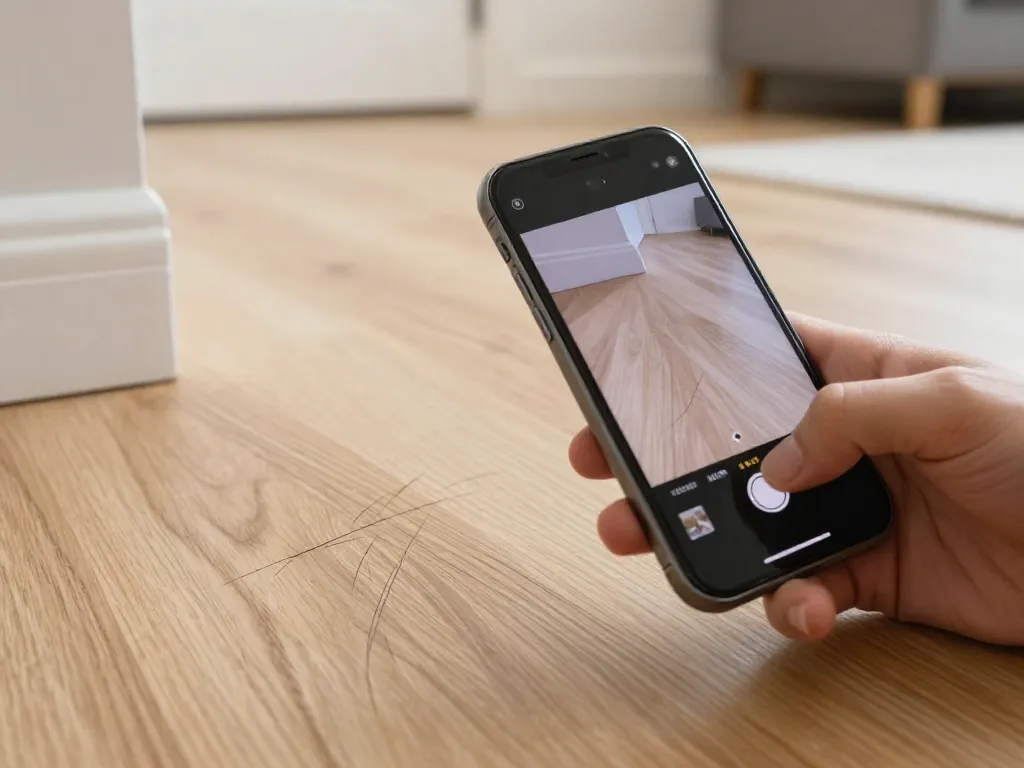
Document Everything
- Take photos of every instance of damage, with timestamps.
- Note the dates and approximate circumstances (e.g., "Came home Tuesday 3/12, found scratch marks on bedroom door — dog was left alone for ~6 hours").
- Save receipts if you've already spent money on cleaning supplies, carpet cleaners, or temporary fixes.
- Screenshot your lease terms related to pet damage, security deposits, and tenant responsibility.
If the conversation goes sideways, or if your landlord gets involved, you'll have documentation.

How to Bring It Up Without Starting a War
Choose the Right Moment
Pick a calm, private moment when you're both home and relatively relaxed. Not during a party. Not over text at 11 p.m. Avoid starting the conversation right after a new incident, when your frustration is at its peak. Give yourself an hour to cool down. Your tone in the first 30 seconds sets the trajectory of the entire conversation.
Lead with the Shared Problem, Not Blame
Your roommate likely already knows their dog is causing issues. Leading with accusations puts them on the defensive immediately.
Try something like:
"Hey, I want to talk about something that's been on my mind. I've noticed some damage around the apartment — the scratches by the front door, the carpet stains in the hallway — and I'm starting to worry about how it'll affect our deposit. Can we figure out a plan together?"
Notice what this does:
- It's specific (scratches, stains) without being a laundry list
- It connects the damage to a shared financial consequence (the deposit)
- It invites collaboration instead of demanding compliance
Be Honest About Your Limits
If you didn't agree to live with a dog when you signed the lease, say so — gently. If you did agree but the reality has been harder than expected, that's worth naming too.
Some honest framings:
- "I was happy to try living with a pet, but the damage is more than I expected, and I don't think it's fair for me to share the cost of repairs I didn't cause."
- "I know [dog's name] doesn't mean any harm, but I'm stressed about losing deposit money over things I can't control."
- "I want to make this work. I just need us to have a clear plan."
Build a Pet Damage Agreement That Actually Works
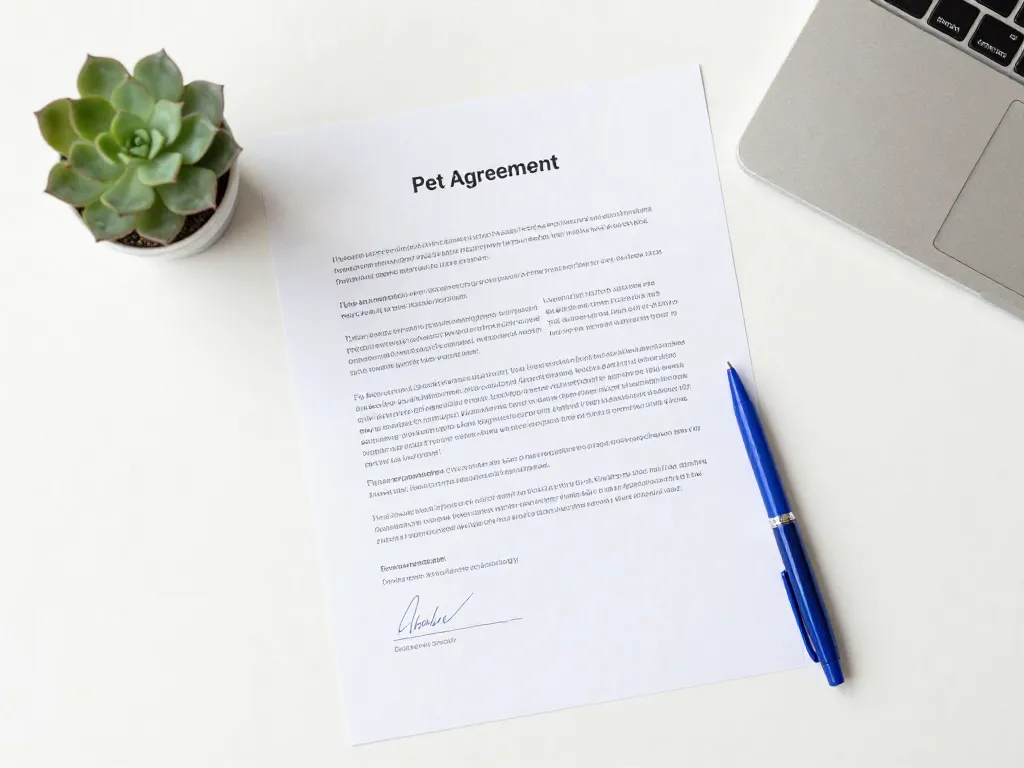
Conversations fade. Agreements last. Once you've had the initial talk, turn whatever you agree on into a written document. This isn't about mistrust — it's about protecting both of you from the fuzzy memory of a verbal handshake three months from now.
What a Roommate Pet Agreement Should Cover
A solid pet agreement between roommates addresses seven things:
| Element |
Details |
| Financial responsibility |
Who pays for repairs or cleaning caused by the pet? (In most cases, the pet owner.) |
| Deposit protection plan |
Will the pet owner set aside extra money to cover potential deposit deductions? How much? |
| Restricted areas |
Are there rooms or pieces of furniture the dog shouldn't access? |
| Supervision expectations |
What happens when the owner isn't home? Is crating or gating expected? |
| Cleaning responsibilities |
Who handles pet-related messes, and on what schedule? |
| Noise management |
What's the plan for excessive barking? |
| Exit clause |
What happens if the damage continues despite the agreement? |
Tools like Servanda help roommates create written agreements that prevent future conflicts — which can be especially useful when a conversation goes well but you want to make sure the specifics don't get lost over time.
Sample Language You Can Borrow
You don't need a lawyer. You need clear sentences both of you understand and agree to. Here's some example wording:
Damage costs: "Any damage to the apartment caused by [dog's name] — including but not limited to floor scratches, carpet stains, chewed fixtures, and odor remediation — will be financially covered by [pet owner's name]. This includes any deductions from the shared security deposit attributable to pet damage."
Prevention measures: "[Dog's name] will be crated or confined to [specific room] when [pet owner's name] is not home for more than two hours. Baby gates will be used to restrict access to [specific areas]."
Review date: "We will revisit this agreement on [date, 30-60 days out] to assess whether the current arrangement is working for both parties."
Print two copies. Both sign them. It takes five minutes, and it transforms a vague understanding into something you can actually reference.
What If Your Roommate Gets Defensive or Refuses to Act?
Not every roommate will respond well, even to the most thoughtful approach. Here's what to do if the conversation stalls.
Don't Repeat Yourself — Escalate Thoughtfully
If you've had the conversation once and nothing has changed, having the exact same conversation again rarely helps. Instead, escalate in clear, measured steps:
- Put it in writing. Send a brief, respectful email or message summarizing what you discussed and what you need to see change. This creates a paper trail and signals that you're serious.
- Set a concrete deadline. "I'd like us to have a plan in place by the end of the week" is more actionable than vague language.
- Involve the landlord if necessary. If damage is ongoing and your roommate won't take responsibility, your landlord has a right to know — especially if the pet wasn't on the lease to begin with. This protects you financially.
- Consult your lease. Many leases have specific clauses about unauthorized pets, pet deposits, and damage liability. Know where you stand before the situation escalates further.
Understand the Financial Exposure
In many leases, all tenants are jointly and severally liable for damage. That means your landlord can deduct pet damage from the entire security deposit — including your share — regardless of who owns the dog.
This is exactly why a written pet agreement matters. Without one, you have no documentation showing that the damage was caused by your roommate's pet and that they agreed to cover it.
If your roommate refuses to sign any kind of agreement, that itself is important information. It tells you they're not willing to take financial responsibility for their pet's impact on your shared space, and you should plan accordingly.
Practical Steps to Minimize Damage Right Now
While you're working through the relationship side of things, here are concrete actions that can reduce ongoing damage today:
- Nail caps for the dog: Soft plastic caps that glue onto a dog's nails and dramatically reduce scratch damage. They're inexpensive and the pet owner can apply them at home.
- Area rugs and runners: Place them in high-traffic zones to protect flooring. Keep receipts — the pet owner should cover the cost.
- Baby gates: Restrict the dog from rooms with delicate flooring or furniture. A $30 gate can save hundreds in damage.
- Enzymatic cleaners: For urine or vomit stains, enzymatic cleaners (like Nature's Miracle) are significantly more effective than standard cleaners. They break down organic compounds and eliminate odors.
- Crate training support: If the dog is destructive when left alone, it may have separation anxiety. Suggest that your roommate explore crate training or consult a vet.
- Furniture covers: Washable covers for shared couches and chairs can prevent fur buildup and protect against accidents.
None of these are permanent solutions, and none of them replace the conversation about financial responsibility. But they reduce ongoing damage while you work things out.
When Living Together Just Isn't Working
Sometimes you do everything right — you document, you communicate, you propose agreements — and it still doesn't work. The damage continues, your roommate minimizes it, and you're stuck watching your deposit evaporate.
At that point, you have a few options:
- Request a lease reassignment or early termination. Some landlords will work with you if you explain the situation honestly, especially if they weren't aware of the pet.
- Sublease your room (if your lease allows it) and move to a pet-free situation.
- Wait out the lease while continuing to document damage and maintaining your written records, then pursue the pet owner for deposit deductions in small claims court if needed.
None of these are ideal. All of them are better than silently absorbing hundreds of dollars in damage because you didn't want to rock the boat.
Conclusion
Dealing with roommate pet damage in your apartment is manageable if you approach it with clarity and intention. Document what's happening. Have the conversation early, before resentment hardens into something you can't walk back. Build a written agreement that covers financial responsibility, prevention measures, and what happens if things don't improve.
You're not asking for too much by wanting your shared space to stay intact. And your roommate, if they're reasonable, would rather know there's a problem now than be blindsided by a massive deposit deduction later.
The goal is to find an arrangement where everyone — including the dog — can live comfortably without anyone paying a price they didn't agree to.
Frequently Asked Questions
Can my landlord take my security deposit for my roommate's dog damage?
Yes — in most leases, all tenants are jointly and severally liable, which means your landlord can deduct pet damage from the entire security deposit regardless of who owns the dog. This is why having a written agreement between you and your roommate that assigns financial responsibility for pet damage is critical for protecting yourself.
How do I ask my roommate to pay for damage their dog caused?
Bring it up in a calm, private moment by framing the damage as a shared concern — specifically the risk to your security deposit — and invite your roommate to problem-solve with you. Follow up the conversation with a written pet agreement that clearly states the pet owner covers all repair and cleaning costs caused by their dog.
What should a roommate pet agreement include?
A solid roommate pet agreement should cover financial responsibility for damage, deposit protection, restricted areas in the apartment, supervision expectations (like crating when the owner is away), cleaning duties, noise management, and an exit clause if damage continues. Both roommates should sign it and keep a copy so there's no ambiguity later.
What can I do if my roommate's dog is scratching the floors?
Immediate steps include applying soft nail caps to the dog's claws, placing area rugs or runners in high-traffic zones, and using baby gates to keep the dog out of rooms with delicate flooring. These measures reduce ongoing damage while you work out a longer-term agreement with your roommate about financial responsibility and prevention.
Can I break my lease because of my roommate's pet?
You may be able to request an early lease termination or reassignment if you explain the situation to your landlord, especially if the pet wasn't authorized on the lease. If your lease allows subleasing, that's another option — otherwise, document all damage thoroughly so you can pursue your roommate for deposit deductions in small claims court if needed.