Roommate Won't Pay Utilities on Time? Try This
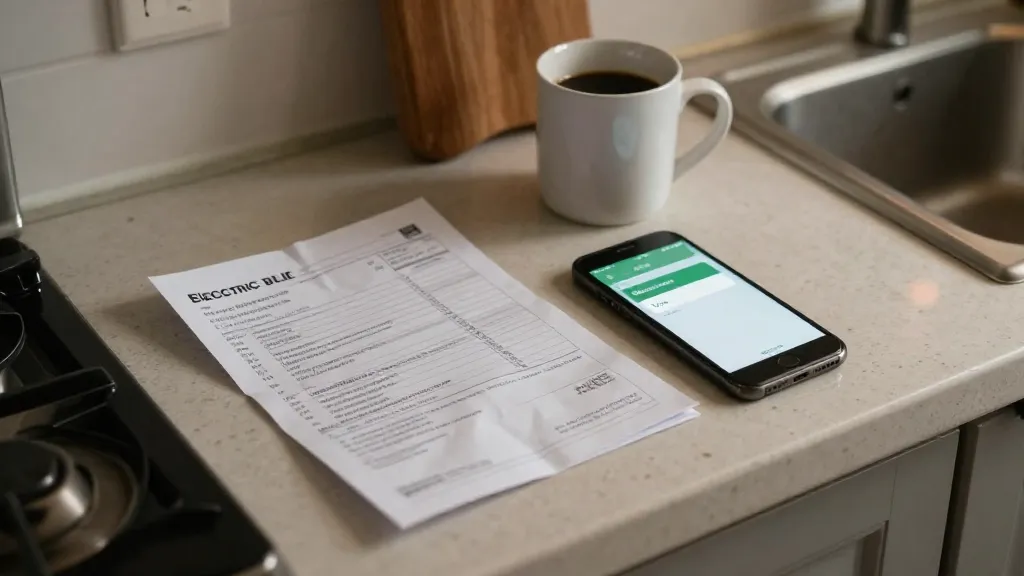
It's the 15th of the month. The electric bill was due three days ago. You've already covered it—again—because you didn't want the lights shut off. Your roommate said they'd Venmo you "tonight," and that was last Tuesday. Now you're lying in bed doing mental math on how much they owe you total, wondering whether you're being too pushy or not pushy enough.
Utility payment disputes are one of the most common roommate conflicts. It's rarely just about the money. It's about respect, reliability, and the anxiety of wondering whether you'll be stuck holding the bag every single month. This is fixable with a clear strategy that protects your finances and your relationship.
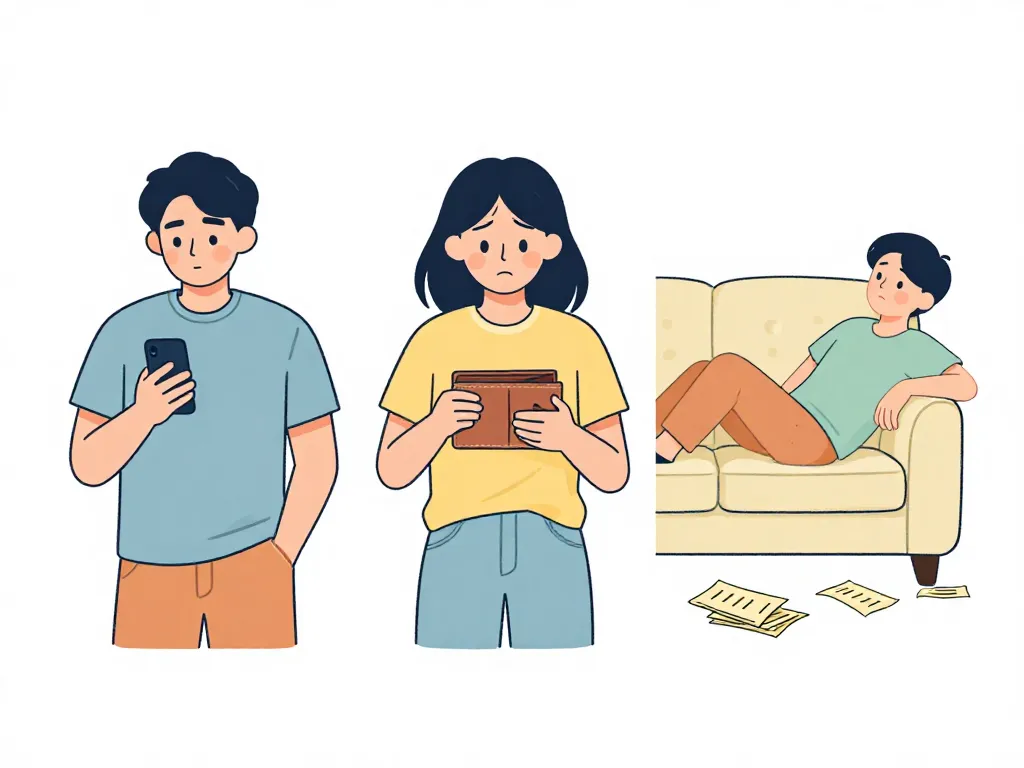
Before you draft an ultimatum or start apartment-hunting, take a step back. Late utility payments tend to fall into a few distinct patterns, and the right response depends on which one you're dealing with.
The Forgetful Roommate
Some people aren't dodging the bill—they genuinely lose track. They get paid, money sits in their account, and they simply forget until you remind them.
Signs this is your situation:
- They pay quickly once you remind them
- They seem genuinely apologetic
- It happens with their own personal bills too, not just yours
The Cash-Strapped Roommate
Sometimes a roommate is consistently late because they're genuinely struggling financially. Maybe their hours got cut. Maybe they're dealing with an unexpected expense.
Signs this is your situation:
- They've mentioned money stress recently
- They pay partial amounts or in installments
- Their spending habits seem to have changed
The Roommate Who Doesn't Prioritize It
This is the hardest one. Some people simply don't see shared bills as urgent—especially if someone else (you) always picks up the slack.
Signs this is your situation:
- Reminders are met with vague deflection ("Yeah, yeah, I'll get to it")
- They spend freely on other things while your bill sits unpaid
- You feel like you're nagging, and they seem annoyed that you bring it up
Identifying the pattern matters because each one requires a different approach.
Have the Conversation (But Make It Specific)
Come prepared with specifics:
- Name the pattern. "The electric bill has been late three of the last four months. I've covered it each time and been reimbursed between five and twelve days later."
- State the impact on you. "When I front the cost and wait to be paid back, it puts strain on my own budget. I'm also worried about late fees affecting my credit if the account is in my name."
- Propose a concrete solution. (See below.)
Don't use accusations, assumptions about their character, or emotional language like "you never" or "you always." Describe what's happening, what it costs you, and what you'd like to change.

Timing Matters
Don't have this conversation when you're actively angry about a late payment or at 11 PM when everyone's tired. Pick a low-stakes moment—a weekend morning, or after dinner when you're both relaxed.
Build a System That Doesn't Depend on Reminders
The single most effective thing you can do is remove yourself from the role of bill collector.
Option 1: Split the Account Name
If all utility accounts are in your name, you're bearing 100% of the risk. Consider splitting responsibility so each roommate has at least one account in their name. For example:
- You: Electric
- Your roommate: Internet
- Split evenly: Water (alternating months on who pays)
Your roommate feels the direct consequence of a late payment—the service is in their name, the late fee is theirs.
Option 2: Pay-Before-Due-Date System
Agree on an internal deadline that's five to seven days before the actual due date. On that date, each person transfers their share to whoever holds the account. If the money isn't there by the internal deadline, the person whose name is on the account sends one reminder. If it's still not there by the actual due date, you have a pre-agreed consequence.
Option 3: Use a Bill-Splitting App
Apps like Splitwise, Venmo's recurring requests, or your bank's auto-transfer feature can automate the process. Set up a recurring payment on the same day each month.
Option 4: Lump-Sum Monthly Transfer
Calculate a monthly average for all utilities and have each person auto-transfer a flat amount on the 1st of every month into a shared account or to the bill-holder. You reconcile quarterly. This eliminates the per-bill back-and-forth entirely.
Put It in Writing
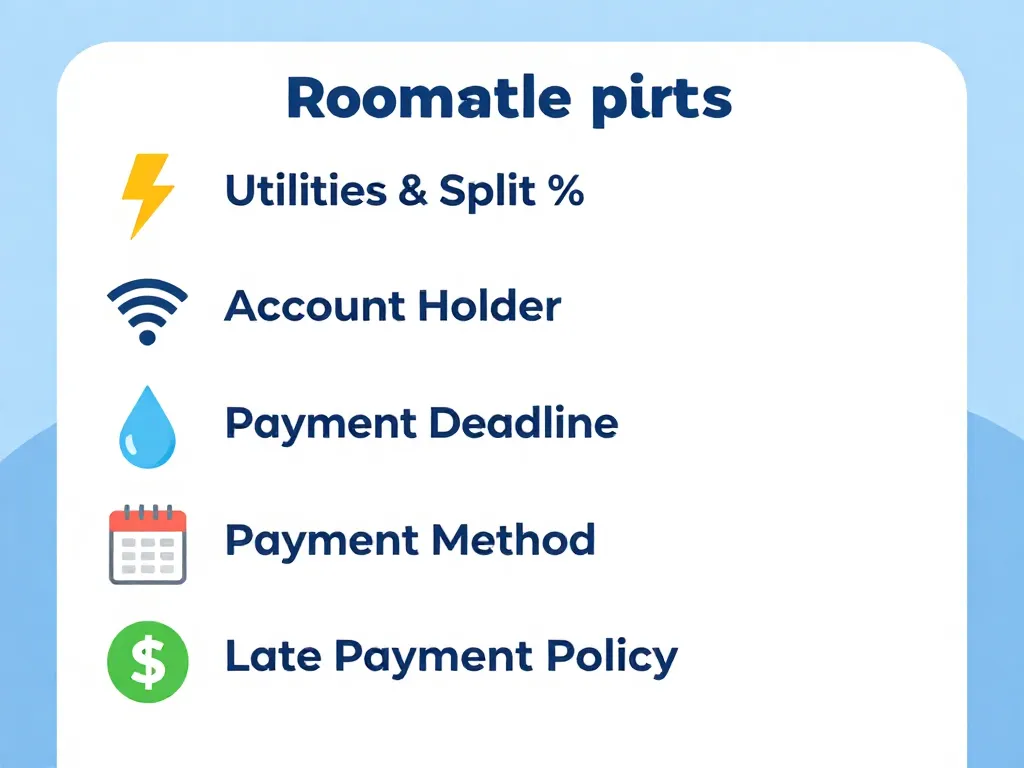
Verbal agreements between roommates rarely hold—not because people are liars, but because memories are unreliable. Write down your utility agreement in a shared Google Doc or text thread that both of you confirm. Include:
- Which utilities you're splitting and the percentage each person pays
- Whose name is on each account
- The internal payment deadline (e.g., "Each person's share is due to the account holder by the 10th of each month")
- How payments are made (Venmo, bank transfer, cash, etc.)
- What happens if someone is late
Tools like Servanda can help roommates create structured written agreements that prevent these conflicts—especially useful if you want something more formal than a Google Doc but less intimidating than a legal contract.
Establish Consequences Before You Need Them
A system without consequences is just a suggestion.
Late Fee Mirror
If the utility company charges a late fee because your roommate's share wasn't paid on time, that fee is 100% on them. This is non-negotiable and should be agreed upon in advance.
Security Deposit Buffer
Collect a one-time "utility deposit" from each person at move-in (say, $150-$200). If someone is consistently late, the deposit covers the gap. If they're never late, it's returned at move-out.
Escalation Path
Agree in advance on what happens if the problem persists:
- First late payment: Friendly reminder.
- Second late payment: Sit-down conversation to troubleshoot.
- Third late payment: All accounts get restructured (split across names), or the late-paying roommate takes over a specific bill entirely.
- Ongoing pattern: Discussion about whether the living arrangement is working.
Having this framework agreed upon in advance means you never have to be the bad guy.
What If Your Roommate Is Genuinely Struggling?
Money problems are real, and a good roommate relationship can survive a rough patch if both people are honest and proactive.
If your roommate is going through financial hardship, consider these temporary adjustments:
- Shifted split: Temporarily adjust the ratio (e.g., 60/40 instead of 50/50) with a clear end date and a plan to reconcile the difference later.
- Payment plan for the backlog: If they owe you money, agree on a specific repayment schedule. "$30 extra per month until it's paid off" is infinitely better than "I'll pay you back when I can."
- Reduced services: Can you downgrade the internet plan or adjust the thermostat to lower the electric bill?
Set a check-in date—maybe six or eight weeks out—to reassess. Temporary means temporary.
Protect Yourself Financially
If utilities are in your name, you are legally responsible for them regardless of what your roommate agreed to.
Steps to protect yourself:
- Keep records of every payment you make and every reimbursement you receive. Screenshots of Venmo transactions, bank statements, text messages confirming what's owed.
- Know your lease terms. Some leases specify how utilities are handled. If your roommate is violating the lease, your landlord may need to be involved.
- Understand your local laws. In some jurisdictions, you can take a roommate to small claims court for unpaid utility costs if you have documentation.
- Never let the total owed get too large. Address a $75 shortfall immediately rather than waiting until your roommate owes $600.
Real-World Example: How Two Roommates Fixed This
Alex and Jordan moved in together after college. Alex's name was on the electric and internet accounts. For the first three months, Jordan paid on time. Then Jordan started a new job with biweekly pay instead of monthly, and the timing stopped lining up.
Alex was frustrated but didn't say anything for two months. Eventually, Alex brought it up and Jordan got defensive.
What finally worked:
- They had a calmer conversation a few days later, where Alex laid out the pattern with specific dates.
- Jordan explained the pay cycle issue and genuinely hadn't realized how late the payments had gotten.
- They set up a system: Jordan auto-transferred a flat $85 on the 5th of each month into Alex's account. They'd reconcile every three months against actual bills.
- They wrote the agreement down in a shared note.
- They agreed that if either person's payment was more than seven days late, the other could bring it up without it being "nagging."
Six months later, there hadn't been a single late payment.
When It's Time to Escalate
If you've tried systems, written agreements, and direct conversations and the pattern hasn't changed, you have options:
- Involve your landlord. If utilities are part of the lease arrangement, your landlord has a stake in ensuring they're paid.
- Seek mediation. A neutral third party can help when direct conversation has stalled.
- Plan your exit. If the financial and emotional cost outweighs the benefits, review your lease for break clauses, subletting options, or renewal dates.
Conclusion
When a roommate won't pay utilities on time, the fix is a combination of understanding the root cause, building a system that doesn't depend on willpower or reminders, putting agreements in writing, and establishing consequences before you need them. Most roommate utility disputes aren't about bad people—they're about missing systems. Build the system, and the problem usually takes care of itself.
Frequently Asked Questions
How do I ask my roommate to pay their share of utilities without being awkward?
Focus on specifics rather than emotions—state the pattern ("The bill has been late three of the last four months"), explain the impact on you, and propose a concrete solution like automated transfers or a bill-splitting app. Pick a calm, low-stakes moment like a weekend morning rather than bringing it up right after a missed payment.
What do I do if my roommate owes me money for utilities and won't pay?
Document everything—save screenshots of Venmo requests, text messages confirming the debt, and bank statements showing you covered the bills. If direct conversations and written agreements haven't worked, you can involve your landlord if utilities are tied to the lease, seek mediation through a neutral third party, or take your roommate to small claims court in most jurisdictions for amounts up to a few thousand dollars.
Should I put my roommate's name on the utility accounts?
Splitting account responsibility so each roommate has at least one utility in their name is one of the most effective ways to ensure timely payment, because the late-paying roommate directly faces the consequences—late fees, service interruptions, and credit impacts. You're currently bearing 100% of the financial risk.
How do I handle a roommate who can't afford to pay utilities right now?
Temporarily adjust the payment split (such as 60/40 instead of 50/50) with a clear end date and a plan to reconcile the difference later, or agree on a specific repayment schedule like an extra $30 per month until the balance is cleared. Set a check-in date six to eight weeks out to reassess.
What's the best app to split utilities with roommates?
Apps like Splitwise, Venmo (which supports recurring payment requests), or your bank's automatic transfer feature can remove the need for manual reminders entirely. Splitwise is great for tracking running balances across multiple bills, while a simple recurring bank auto-transfer works well if you've agreed on a flat monthly amount that you reconcile quarterly.