Roommates

Valentine's Day Noise: Roommate Etiquette Guide

By Luca · 8 min read · Jul 16, 2025
Valentine's Day Noise: Roommate Etiquette Guide

Valentine's Day Noise: A Roommate Etiquette Guide

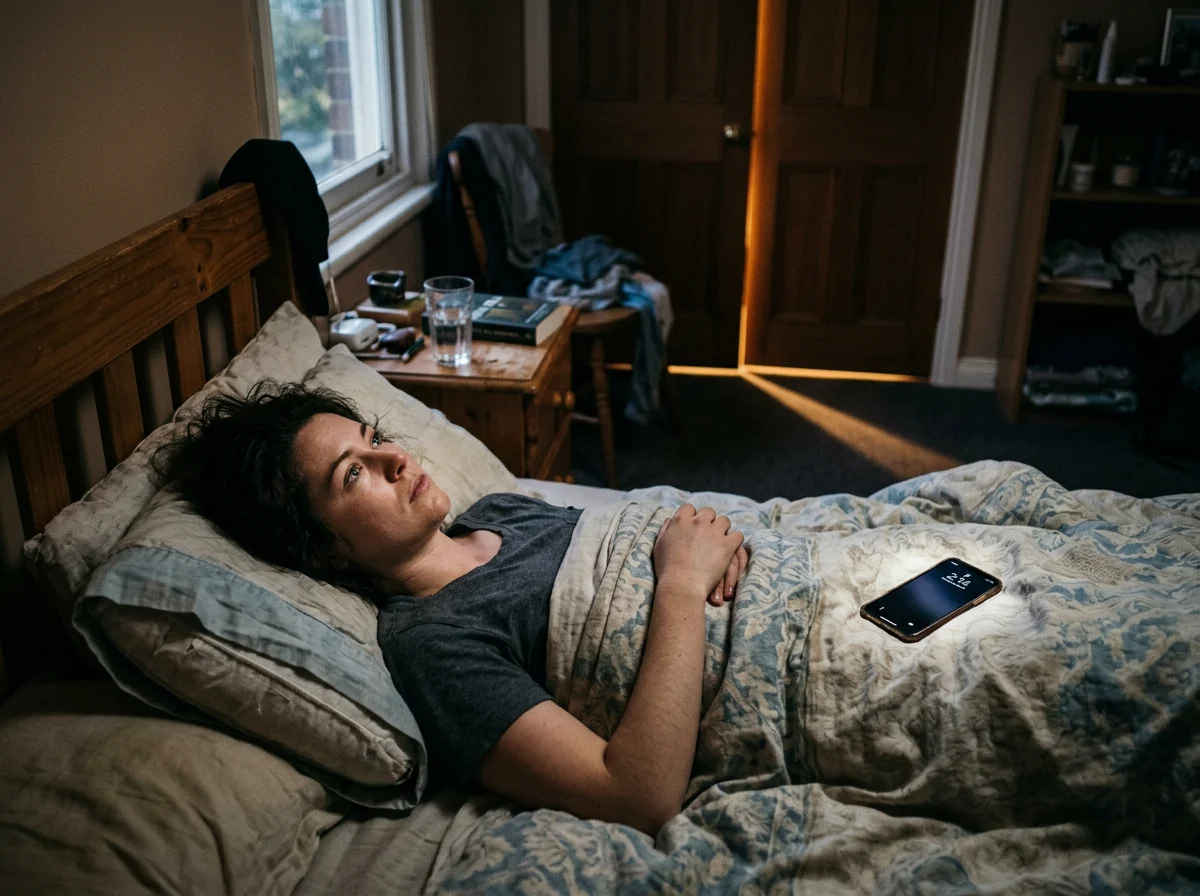
It's February 13th. You've got an 8 AM meeting, a half-finished presentation on your laptop, and a desperate need for sleep. Then it starts: your roommate's Valentine's Day celebration kicks off a night early. There's music. There's laughter. There are sounds you'd rather not identify. You lie there staring at the ceiling, weighing whether to knock on their door, send a passive-aggressive text, or just smother yourself with a pillow.

Valentine's Day roommate noise etiquette isn't something most people think about until they're trapped in that exact moment — uncomfortable, annoyed, and unsure how to handle it without making things weird. But here's the thing: February 14th comes every single year. And if you share a living space, the tension around romantic noise, guests staying over, and disrupted routines is entirely predictable. That means it's entirely preventable.

This guide walks you through how to handle Valentine's Day noise as a roommate — before, during, and after the holiday — so that everyone in your household can enjoy the evening without resentment, awkwardness, or broken trust.

Two roommates having a casual friendly conversation in the kitchen with a February calendar visible on the wall showing Valentine's Day circled

Key Takeaways

  • Have a casual, direct conversation with your roommate at least a few days before Valentine's Day to align on guest plans, quiet hours, and noise expectations.
  • Replace vague promises like "I'll keep it down" with specific, measurable agreements such as "music off by 11 PM" or a code-word text signal to flag noise without awkwardness.
  • After Valentine's Day, do a low-key debrief to discuss what worked and what didn't, then update your roommate agreement to cover any gaps revealed by the evening.
  • Invest in practical noise-reduction tools like a white noise machine, foam earplugs, and draft stoppers under bedroom doors — they pay off far beyond just one holiday.
  • If the night went badly, wait 24 hours before addressing it, lead with the impact on you rather than accusations, and propose a concrete solution for next time.

Why Valentine's Day Creates Unique Noise Tension Between Roommates

Roommate noise complaints spike around holidays, and Valentine's Day carries a particular kind of discomfort that, say, a New Year's Eve party doesn't. The noise is often intimate. That makes it harder to address because it feels personal — like you're commenting on someone's relationship rather than their volume level.

Here's what makes this holiday different from a regular noisy weekend:

  • The noise is romantic or sexual in nature, which adds a layer of embarrassment for everyone involved.
  • One roommate may feel excluded or lonely, making them less tolerant of disruptions they'd normally shrug off.
  • Expectations are emotionally charged — the roommate celebrating may feel they "deserve" this night, while the other may feel their comfort is being dismissed.
  • It often involves an overnight guest, which changes shared bathroom access, kitchen use, and morning routines.

Understanding why this particular holiday hits differently is the first step toward navigating it well. You're not being uptight. Your roommate isn't being inconsiderate (probably). You're just two people with different plans for the same evening in the same small space.

Before February 14th: The Conversation You Should Have This Week

The worst time to set noise boundaries is when someone's already being loud. The best time is a calm Tuesday evening over takeout, at least a few days before the holiday.

How to Bring It Up Without Making It Weird

You don't need a formal roommate summit. A casual, direct check-in works:

"Hey, Valentine's Day is coming up. Do you have any plans at the apartment? I just want to make sure we're on the same page about the evening so it works for both of us."

That's it. No accusations, no assumptions. You're opening a door, not launching a confrontation.

Here's what to actually cover in that conversation:

  1. Will a guest be coming over? If so, roughly when will they arrive and leave (or are they staying the night)?
  2. What does the evening look like? Cooking dinner with music? Movie night? Something more private?
  3. What does the other person's evening look like? Early bedtime? Working from home? Also having someone over?
  4. What are reasonable quiet hours for that specific night? Maybe you shift your usual 10 PM expectation to 11 PM, or maybe you agree on a hard cutoff.
  5. What's the signal if things are too loud? A text? A knock? Agreeing on a method in advance removes the awkwardness in the moment.

Set Specific Agreements, Not Vague Promises

Vague agreements fail. "I'll try to keep it down" means nothing when someone's in the moment. Specific agreements hold up because they're measurable.

Vague Agreement Specific Agreement
"I'll keep it down" "Music off by 11 PM, voices at conversation level after that"
"My partner might come over" "Alex is coming at 7 and staying the night; we'll stay in my room after 10"
"I'll be out of the way" "I'll be at a friend's place until about midnight, so the apartment is yours until then"
"Just text me if it's too loud" "If I text the word 'volume,' that's a no-judgment signal to bring it down"

Tools like Servanda help roommates create written agreements that prevent future conflicts — even informal ones like holiday expectations can benefit from being documented somewhere you can both reference later.

Comparison illustration showing the difference between vague roommate agreements and specific ones, with the specific side showing clear checkmarks and defined times

During Valentine's Day: Real-Time Etiquette for Both Sides

Even with the best planning, the actual evening requires awareness and flexibility. Here's a guide for both the celebrating roommate and the non-celebrating one.

If You're the One Celebrating

Your goal: Enjoy your evening while respecting shared space.

  • Contain the noise to your room as much as possible. Close your door. It sounds obvious, but in the flow of the evening, doors get left open.
  • Use headphones for music after quiet hours. A Bluetooth speaker at moderate volume is fine during normal hours. After your agreed-upon time, switch to headphones or significantly lower the volume.
  • Be mindful of shared walls. If your bed is against the wall that backs up to your roommate's bedroom, consider rearranging things or at least being aware that sound travels directly through.
  • Handle the kitchen before your roommate's bedtime. If you're cooking a romantic dinner, clean up common areas before the night winds down. Waking up to a kitchen full of dirty pots and candle wax is a surefire way to generate resentment.
  • Introduce your guest to your roommate briefly. It doesn't have to be a whole thing — a quick "Hey, this is Alex" in the hallway goes a long way. Strangers in shared spaces make people uneasy. A 30-second introduction humanizes everyone.
  • Keep the bathroom reasonable. If your guest is staying over, give your roommate a heads-up about morning bathroom timing. No one wants to be late for work because someone's partner is taking a 45-minute shower.

If You're the Non-Celebrating Roommate

Your goal: Hold your boundaries without punishing your roommate for having a social life.

  • Give them some grace on noise. This doesn't mean accepting unreasonable disruption. It means that if you hear some laughter at 10:30 PM on Valentine's Day, perhaps that's not the hill to die on.
  • Use your agreed-upon signal. If it does get too loud, use whatever method you agreed on. A quick text saying "volume" (or whatever your code word is) is far more effective and far less dramatic than banging on a wall.
  • Make your own plans if possible. Not because you should have to leave your own home, but because sometimes the smartest conflict resolution is just not being there. Go to a friend's, catch a late movie, spend the evening at a coffee shop. This isn't about surrendering your space — it's about choosing your own comfort.
  • Don't eavesdrop, comment, or joke about it the next day. Whatever you heard, keep it to yourself. Seriously. Making a comment the next morning — even a "lighthearted" one — is a fast track to your roommate feeling humiliated and defensive, which poisons the relationship for months.
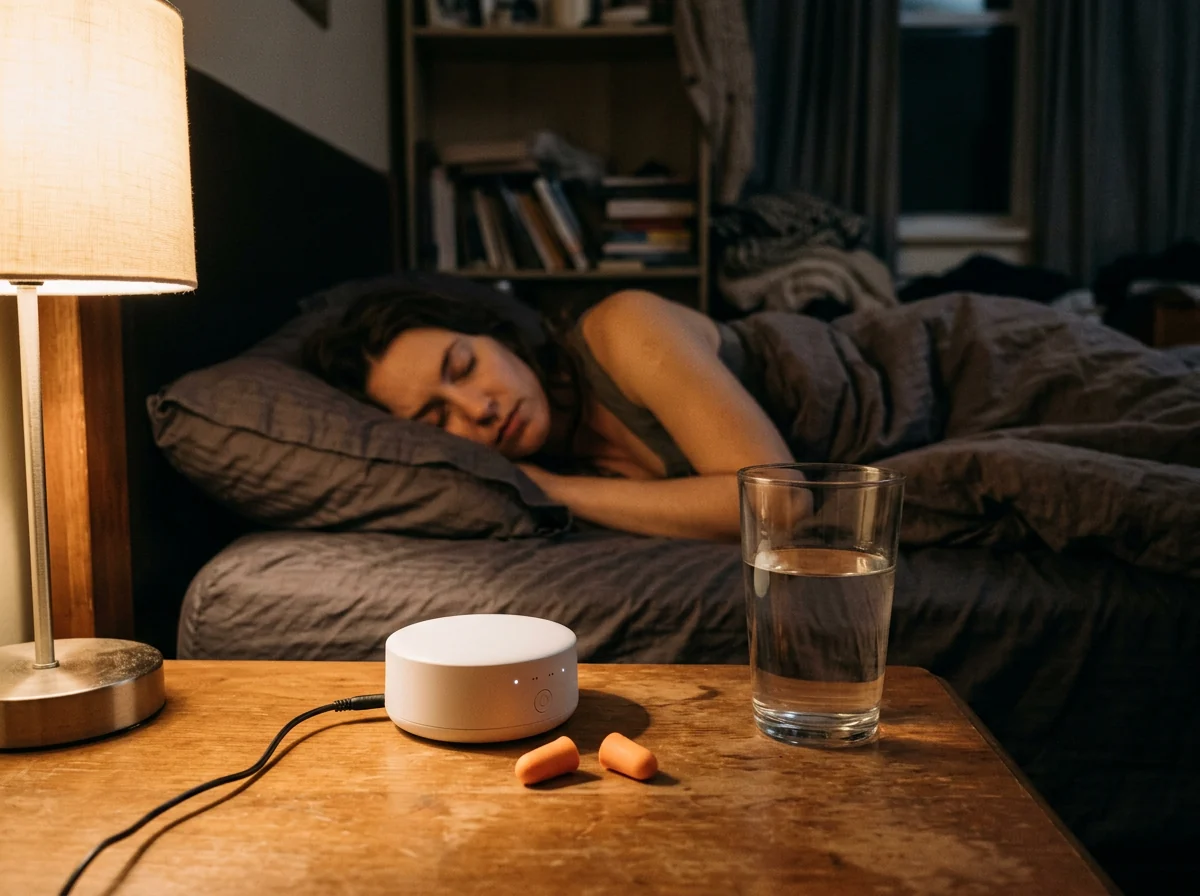
  • Invest in earplugs or a white noise machine. Not just for Valentine's Day — for life. A $20 white noise machine or a good pair of foam earplugs is one of the best investments any roommate can make.

A peaceful bedroom at night showing a white noise machine, earplugs, and a draft stopper under the door as practical noise-reduction tools for roommates

After Valentine's Day: The Debrief That Actually Matters

Most roommate advice stops at the event itself. But what separates good roommate relationships from resentful ones is what happens the next day.

Do a Low-Key Check-In

This isn't a performance review. It's a quick temperature check:

"Hey, thanks for being cool about last night. Did anything bug you that I should know about for next time?"

Or from the other side:

"Last night was totally fine. I did hear a bit of noise around midnight — maybe next time we could do a slightly earlier cutoff?"

The goal is to create a feedback loop where both of you feel safe raising things after the emotional charge has faded.

Update Your Roommate Agreement

If you don't have a roommate agreement, now is a good time to create one. If you do have one, Valentine's Day might have revealed a gap worth addressing. Consider adding sections for:

  • Guest policies — overnight limits, advance notice requirements, shared space behavior
  • Noise boundaries — specific quiet hours, what "quiet" actually means, seasonal exceptions
  • Holiday-specific expectations — Valentine's Day, birthdays, New Year's Eve, or any recurring date that shifts normal routines
  • Conflict signals — how to alert each other to problems without escalation

Writing things down isn't about distrust. It's about clarity. Two people who genuinely like each other can still remember the same conversation differently. A written agreement protects both sides.
What to Do If Valentine's Day Went Badly

Maybe the conversation didn't happen beforehand. Maybe it did and agreements were broken. Maybe you're reading this on February 15th, furious, running on three hours of sleep.

Here's a path forward:

  1. Wait at least 24 hours before addressing it. You're tired and irritated. Nothing productive comes from a confrontation in that state.
  2. Lead with the impact, not the accusation. Instead of "You were so loud and inconsiderate," try "I wasn't able to sleep last night and I had an important morning. I want to figure out how we prevent that from happening again."
  3. Propose a solution, not just a complaint. "Next time, can we agree on a midnight cutoff for noise?" gives your roommate something actionable. "You need to be more considerate" gives them nothing but defensiveness.
  4. Acknowledge their perspective. They wanted to enjoy Valentine's Day with their partner. That's a legitimate desire. You wanted to sleep. Also legitimate. The resolution lives in the overlap, not in declaring one need more valid than the other.
  5. If the conversation stalls or gets heated, take a break. You can return to it. Not every conflict resolves in one conversation, and forcing it rarely works.

Beyond Valentine's Day: Building a Noise-Aware Household

Valentine's Day noise is really just a stress test for your broader roommate dynamic. If February 14th was a disaster, it's unlikely to be the only friction point in your shared living situation.

Use this as a catalyst. Set up a standing monthly check-in — five minutes, casual, recurring — where you and your roommate review what's working and what isn't. Over time, these micro-conversations replace the need for big, tense confrontations because problems get addressed before they build up.

Some long-term investments that reduce noise conflicts year-round:

  • A white noise machine for each bedroom ($15-30 and life-changing)
  • Draft stoppers or weather stripping under bedroom doors (cheap and surprisingly effective for sound reduction)
  • A shared Google Calendar or whiteboard for guest nights and schedule changes
  • Agreed-upon "no questions asked" signals — a simple system where either roommate can flag they need quiet without having to explain or justify why

Conclusion

Valentine's Day roommate noise etiquette comes down to three things: planning ahead, being specific about expectations, and following up afterward without judgment. You don't need to be best friends with your roommate to live well together — you just need a shared understanding of how you'll navigate the moments where your lives overlap and occasionally collide.

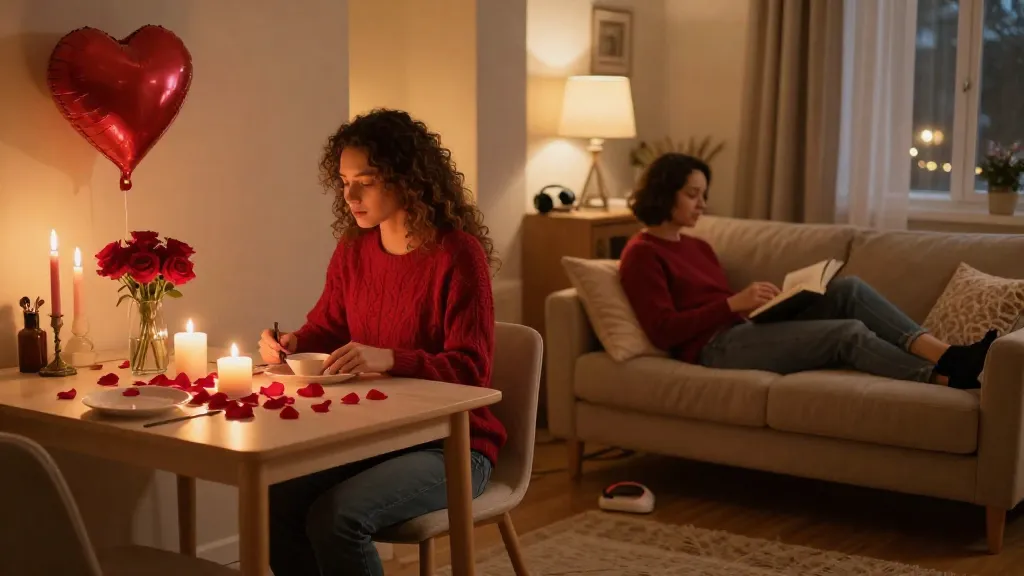
This Valentine's Day, skip the passive-aggressive text at midnight. Have the five-minute conversation this week, agree on the details, and then actually enjoy the evening — whether that means a romantic dinner for two or a peaceful solo night with earplugs and a good book. Both are worth protecting. Both are worth planning for.

And next year, when February rolls around again, you'll already have the playbook.

Frequently Asked Questions

How do I tell my roommate they're being too loud on Valentine's Day without making it awkward?

The best approach is to agree on a low-key signal before the holiday even starts — like a specific code word sent via text — so neither of you has to have an uncomfortable face-to-face conversation in the moment. If you didn't plan ahead, a brief, neutral text like "Hey, could you bring the volume down a bit? I need to sleep" is far better than banging on a wall or waiting until morning to express frustration.

Should I leave my apartment on Valentine's Day so my roommate can have privacy?

You're never obligated to leave your own home, but choosing to make other plans for part of the evening can be a smart, self-serving move that lets you avoid noise altogether. Frame it as choosing your own comfort — grab dinner with friends or hit a coffee shop — rather than feeling like you're being pushed out of your space.

What should a roommate agreement say about overnight guests?

A good roommate agreement should include how much advance notice is required before an overnight guest, any limits on how many nights per week or month guests can stay, and expectations around shared spaces like the bathroom and kitchen. Being specific — for example, "give at least 24 hours' notice" and "guests use the host's bathroom supplies" — prevents the kind of ambiguity that leads to resentment.

How do I handle roommate conflict after a bad Valentine's Day night?

Wait at least a full day so you're no longer running on frustration and sleep deprivation, then bring it up by describing the impact on you rather than accusing your roommate. For example, say "I couldn't sleep and had an important meeting — can we set a firm noise cutoff next time?" This gives your roommate a concrete solution to agree to instead of just feeling attacked.

Do white noise machines actually help with roommate noise?

Yes — a white noise machine in the $15–$30 range is one of the most effective and affordable tools for masking conversational noise, music bleed, and other common roommate sounds. Paired with foam earplugs and a draft stopper under your bedroom door, it can dramatically reduce how much ambient noise reaches you at night, not just on Valentine's Day but year-round.

Get on the same page with your roommate

Servanda helps roommates create clear, fair agreements about chores, bills, guests, and everything else — so you can skip the awkward conversations.

Try It Free — For Roommates