Annual Coparenting Check-In: A Questions Template
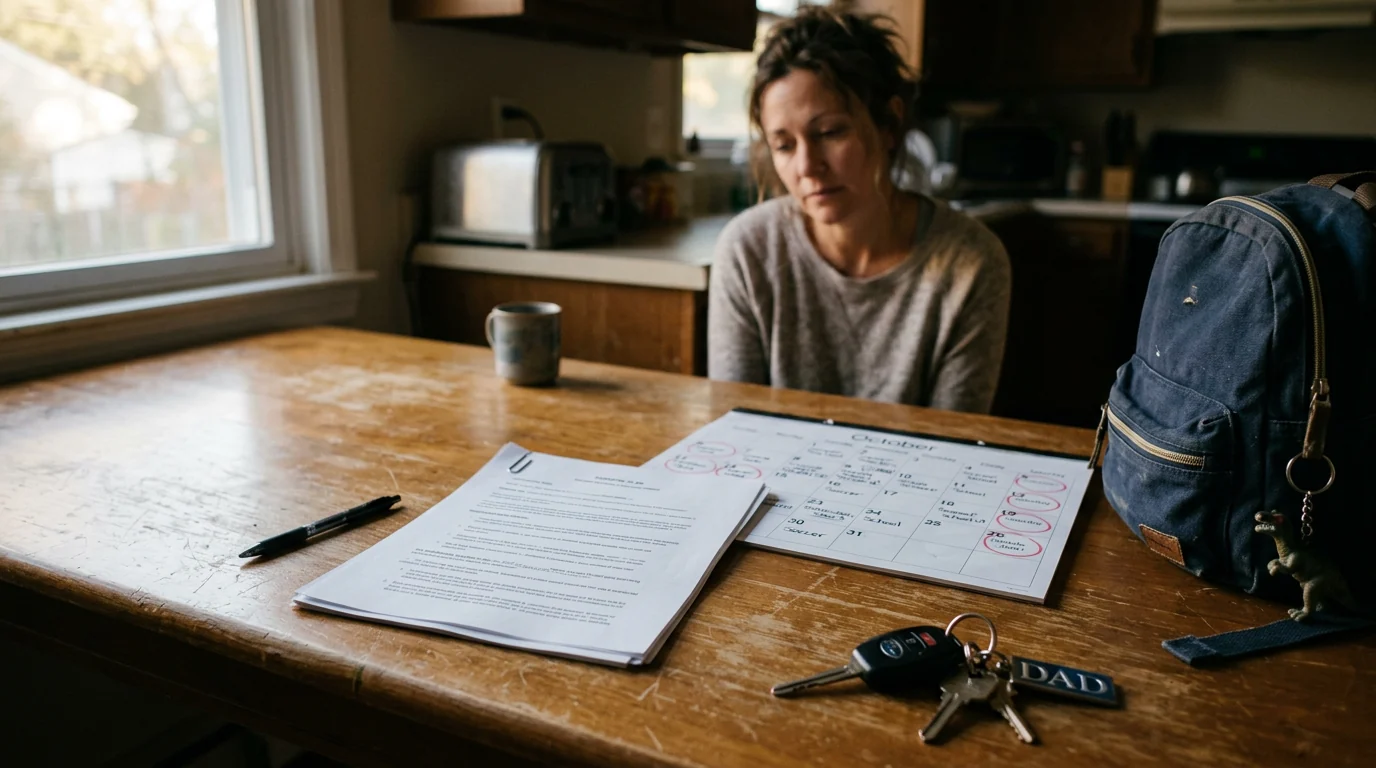
It's a Tuesday in late December. The kids are on winter break, and you're sitting at the kitchen table scrolling through next year's school calendar. Field trips, early release days, summer camp registration deadlines — and suddenly it hits you: half of these dates will require coordination with your coparent, and the arrangement you cobbled together eleven months ago doesn't quite fit anymore.
An annual coparenting check-in gives you and your coparent a structured moment to step back, review what's working, name what isn't, and make deliberate adjustments before small frustrations harden into full-blown conflicts. Think of it as a yearly "state of the coparenting relationship" — not a rehashing of old grievances, but a forward-looking planning session.
This article provides a ready-to-use questions template you can copy, customize, and bring to that conversation. Whether your coparenting relationship is collaborative, businesslike, or closer to parallel parenting, these questions give you a concrete agenda to follow.

Why an Annual Coparenting Check-In Matters
Children's needs change fast. A schedule that worked beautifully for a six-year-old who went to bed at 7:30 may fall apart when that same child is nine, playing travel soccer, and begging to stay up until 9:00. Without a regular review, outdated agreements create friction — and kids feel it.
An annual check-in helps you:
- Catch misalignments early. Small scheduling annoyances are easier to solve in January than in the middle of a July custody swap gone wrong.
- Reduce reactive decision-making. When you've already discussed summer plans in a calm setting, the April email about camp registration feels logistical rather than adversarial.
- Model healthy conflict navigation for your children. Kids who see their parents sit down and plan together — even imperfectly — learn that disagreements can be handled without chaos.
- Create a written record. Having notes from your check-in gives both parents something to reference when memory gets fuzzy mid-year.
One coparent, a mother of two in Colorado, described it this way: "We used to fight about every holiday because neither of us ever brought it up until two weeks before. Now we hash out the whole calendar in one sitting every January. It's not fun exactly, but it means the rest of the year is so much calmer."
How to Prepare for the Check-In
Before you sit down together (or hop on a video call), some preparation makes the conversation dramatically more productive.
Set Ground Rules
Agree in advance on a few basics:
- Time limit. Sixty to ninety minutes is usually enough. If you need more time, schedule a second session rather than pushing through fatigue.
- Agenda-only discussion. This is not the forum for litigating past mistakes. If a grievance comes up, note it and agree to address it separately.
- One topic at a time. Move through the template section by section. Jumping between finances and scheduling and discipline creates confusion.
- Written notes. Designate one person to take notes, or each of you keep your own and compare afterward.
Bring the following to the meeting:
- Current custody or parenting plan
- School calendar for the upcoming year
- Extracurricular schedules and registration deadlines
- Medical or therapy appointment records
- A rough log of shared expenses from the past year
- Any texts or emails where you noted "we should talk about this later"
Choose the Right Setting
A neutral location — a coffee shop, a library meeting room, or a video call — tends to work better than either parent's home. Neutral ground reduces the sense that one person is hosting and the other is visiting.

The Annual Coparenting Check-In Questions Template
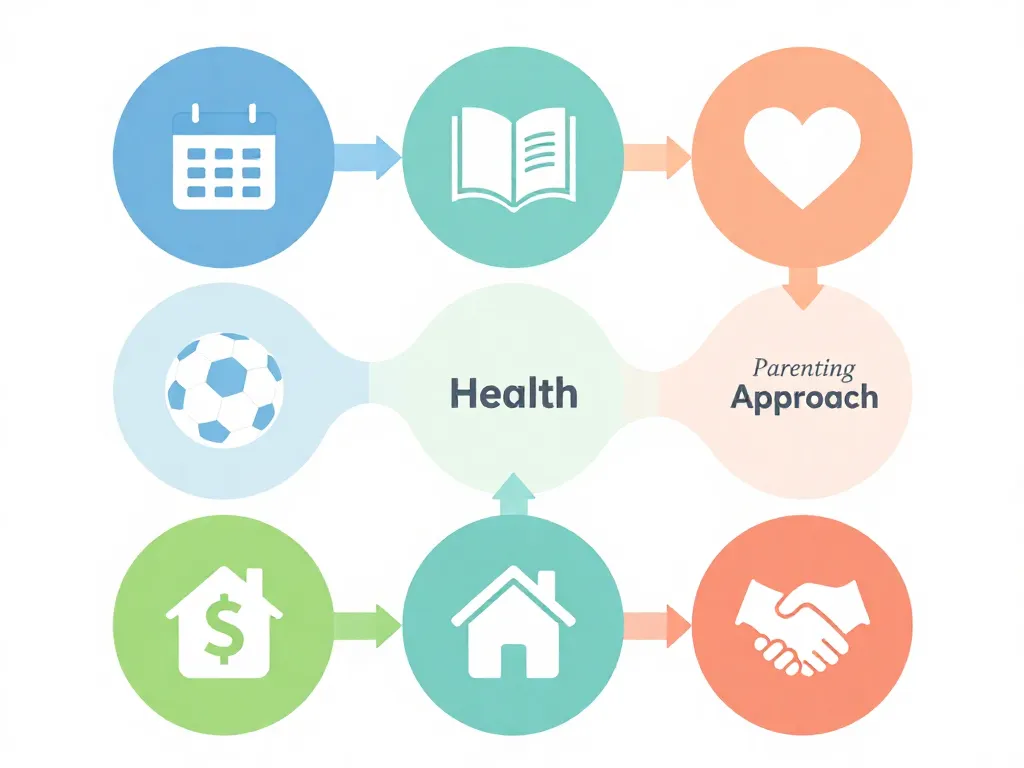
Below is the full template, organized into seven categories. You don't have to use every question. Scan the list beforehand, highlight the ones most relevant to your situation, and skip the rest.
1. Schedule and Custody Logistics
- Is our current custody schedule still working for the kids' ages and stages?
- Are there specific days or transitions that consistently cause stress? What would improve them?
- How do we want to handle the upcoming school breaks (spring, summer, winter)?
- Are there holidays or family events we should map out now?
- Do we need to adjust pickup/drop-off times or locations?
- How will we handle schedule change requests during the year — what's a reasonable notice period?
2. Education and School
- How are the kids doing academically? Are there concerns either of us has noticed?
- Who will attend parent-teacher conferences, or will we both go?
- Are there school events (performances, field trips, volunteering) we should divide or attend together?
- If a child is struggling in a subject, what support do we both agree to explore (tutoring, extra help sessions)?
- Are there any school-choice or enrollment decisions coming up this year?
3. Health and Wellness
- Are all medical, dental, and vision appointments up to date?
- Are there any ongoing health concerns or new symptoms we should monitor together?
- Is either child seeing (or should they see) a therapist or counselor?
- How are we splitting medical expenses and insurance responsibilities this year?
- Do we need to update emergency contact information at the school or doctor's office?
4. Extracurricular Activities and Social Life
- What activities are the kids currently involved in, and do those still make sense?
- Are there new activities a child has expressed interest in? What's our budget and time commitment threshold?
- How do we handle practices and games that fall on the other parent's time?
- Are there friendships or social dynamics we should both be aware of?
- How do we coordinate birthday parties, sleepovers, and social invitations across households?
5. Finances
- Are we both satisfied with how shared expenses were handled last year?
- Do we need to adjust our approach to splitting costs (clothing, school supplies, activities, medical)?
- Are there any large upcoming expenses we should plan for (braces, camp, a new laptop for school)?
- How are we tracking shared expenses — is our current system working, or should we try something different?
- Do either of us have a financial change this year that affects our arrangement?
6. Parenting Approach and Household Consistency
- Are there behavioral issues we're both noticing? How are we each handling them?
- Are there any rules or routines that would benefit from consistency across both homes (bedtimes, screen time limits, homework expectations)?
- Has either of us introduced a new partner or significant household change? How are the kids adjusting?
- Are there topics the kids have brought up — about the divorce, about family, about their feelings — that we should discuss how to address together?
- Is there anything the kids have asked for that requires both parents' input (a phone, social media access, more independence)?
7. Our Coparenting Relationship
- What went well between us this past year?
- Where did we get stuck, and what might prevent that this year?
- Is our current communication method (text, email, app) working, or should we adjust?
- Are there boundaries either of us needs that aren't being respected?
- Do we need outside support this year — a mediator, a family therapist, a parenting coordinator?
This last section is arguably the most important and the most difficult. It requires a degree of honesty that can feel uncomfortable. But a coparenting relationship is still a relationship, and like any relationship, it benefits from periodic honest reflection.
Tips for Navigating a Difficult Check-In
Not every coparenting relationship is cordial enough for a leisurely coffee-shop conversation. If yours is high-conflict or primarily parallel, these adjustments can help.
If face-to-face conversations reliably escalate, consider conducting your annual coparenting check-in entirely in writing. Send the template via email, each fill in your answers independently, then exchange responses and negotiate differences in writing. Tools like Servanda can help coparents formalize the agreements that come out of these discussions, giving both sides a clear reference document rather than relying on memory or scattered text threads.
Bring a Neutral Third Party
A mediator, parenting coordinator, or even a trusted mutual friend can help facilitate the conversation. Their job isn't to take sides but to keep the discussion on track and de-escalate when tensions rise.
Focus on the Children's Experience, Not Your Own
When you feel a conversation veering into blame, redirect with this question: "What is our child's experience of this, and what would make it better for them?" This isn't about minimizing your own valid frustrations — it's about keeping the check-in productive.
Accept "Good Enough"
You don't need to agree on everything. Some coparents operate with different bedtimes, different screen time rules, different household rhythms — and the kids are fine. Focus your negotiation energy on the issues that genuinely affect your children's well-being, and let the rest go.
After the Check-In: Making It Stick
The check-in is only as useful as the follow-through. Here's how to make sure your conversation translates into action.
- Write a summary. Within 48 hours, one or both parents should write up the key decisions and send them via email or your coparenting app. Keep it factual: "We agreed that summer vacation weeks will be divided as follows…"
- Set calendar reminders. If you agreed to revisit camp registration in March or start discussing school choice in April, put those reminders in your calendar now.
- Schedule a mid-year pulse check. A brief 30-minute mid-year check-in (around June or July) can catch issues before they snowball.
- Update your parenting plan if needed. If you've made substantive changes to custody schedules, financial splits, or decision-making responsibilities, consider formalizing them — whether through your attorney, a mediator, or your court's modification process.
A Sample Check-In Agenda at a Glance
| Time |
Topic |
Key Questions |
| 0–5 min |
Opening |
Ground rules, agenda review |
| 5–20 min |
Schedule & Logistics |
Custody calendar, holidays, transitions |
| 20–35 min |
School & Activities |
Academics, extracurriculars, social life |
| 35–50 min |
Health & Wellness |
Medical, dental, mental health |
| 50–65 min |
Finances |
Expenses, budgeting, large purchases |
| 65–80 min |
Parenting Approach |
Rules, consistency, new developments |
| 80–90 min |
Coparenting Relationship |
What's working, what needs adjustment |
Adjust the times to fit your situation. If finances are your biggest pain point, give that section more room. If scheduling is smooth but behavioral consistency is an issue, shift accordingly.
Conclusion
An annual coparenting check-in creates a predictable moment each year where both parents can recalibrate. The questions template above gives you a concrete starting point. Print it, highlight the questions that matter most, and schedule that meeting.
Your children don't need you and your coparent to agree on everything. They need to see that the adults in their lives can sit down, make a plan, and follow through. One structured conversation a year can set the tone for the twelve months that follow — and over time, those annual check-ins quietly build something that looks a lot like stability.
Frequently Asked Questions
What should coparents discuss at an annual check-in?
An annual coparenting check-in should cover seven key areas: custody schedule and logistics, education, health and wellness, extracurricular activities, shared finances, parenting consistency across households, and the overall coparenting relationship. Focus on the topics most relevant to your situation and skip questions that don't apply.
How do you do a coparenting check-in when you don't get along?
If face-to-face conversations tend to escalate, try conducting the check-in entirely in writing — each parent fills out the questions template independently and then exchanges responses to negotiate differences over email or a coparenting app. You can also bring a mediator or parenting coordinator to facilitate and de-escalate tensions during the conversation.
How often should coparents review their parenting plan?
A full review once a year is a strong baseline, but scheduling a brief 30-minute mid-year pulse check around June or July helps catch emerging issues before they snowball. If your children are going through a major transition — like starting a new school or entering their teenage years — you may benefit from more frequent conversations.
What's the best way to keep track of coparenting agreements after a check-in?
Within 48 hours of your check-in, write up a factual summary of every decision you made and share it via email or a coparenting platform so both parents have a clear reference document. Set calendar reminders for any follow-up action items, and if you made substantive changes to custody or finances, consider formalizing them through a mediator or your court's modification process.
Where should coparents hold their annual check-in meeting?
A neutral location like a coffee shop, library meeting room, or video call works best because it prevents either parent from feeling like a host or a visitor. Neutral ground helps set a businesslike tone and reduces the emotional charge that meeting in one parent's home can create.