Bad Roommate Situation: Fix It or Move Out?
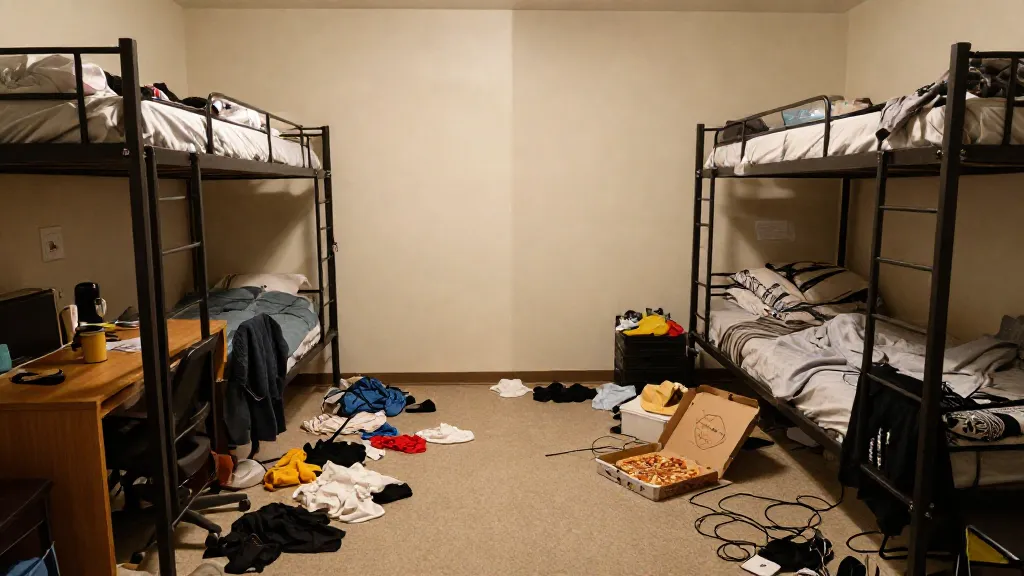
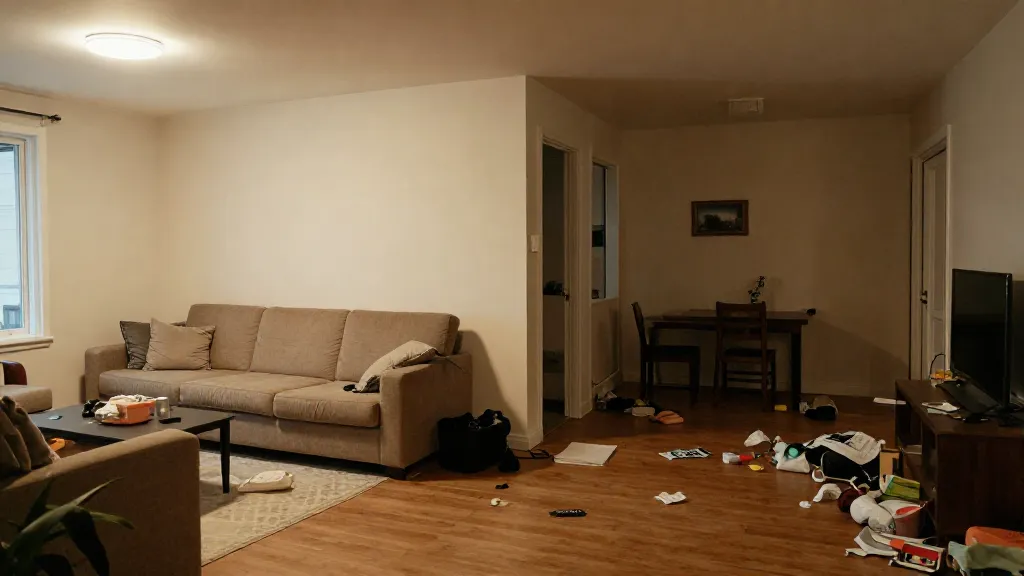
You're lying in bed at 1 a.m. on a Tuesday. Your roommate's friends are in the living room for the third night this week, and the bass from the speaker is vibrating through your wall. You've already asked — twice — if they could keep it down. The first time, they laughed it off. The second time, they said "Yeah, sure" and changed nothing. Now you're scrolling apartments on your phone, mentally calculating whether you can afford first month's rent plus a security deposit, while also wondering if you're overreacting.
You're not overreacting. But you might not need to move, either.
The hardest part of a bad roommate situation isn't the noise, the mess, or the passive-aggressive sticky notes. It's the decision: Do I try to fix this, or do I get out? That question keeps people stuck for months — enduring situations that are genuinely harmful, or abandoning ones that a single honest conversation could have saved.
This article gives you a concrete framework to make that call.
Key Takeaways
- Not every bad roommate situation requires moving out. Many conflicts stem from unclear expectations, not incompatibility. A structured conversation or written agreement can resolve more than you think.
- Certain red flags are non-negotiable. If your physical safety, mental health, or financial security is at risk, those are signals to leave — not negotiate.
- The "Two-Conversation Test" can clarify your decision. If you've had two direct, good-faith conversations about the same issue and nothing has changed, the problem is likely the person, not the communication.
- Financial and logistical costs of moving are real — factor them in honestly. Staying in a fixable situation is often far cheaper and less disruptive than moving prematurely.
- Document everything, whether you stay or go. Written agreements protect you if the situation improves, and records protect you if it doesn't.
The Real Reason Roommate Conflicts Feel So Impossible
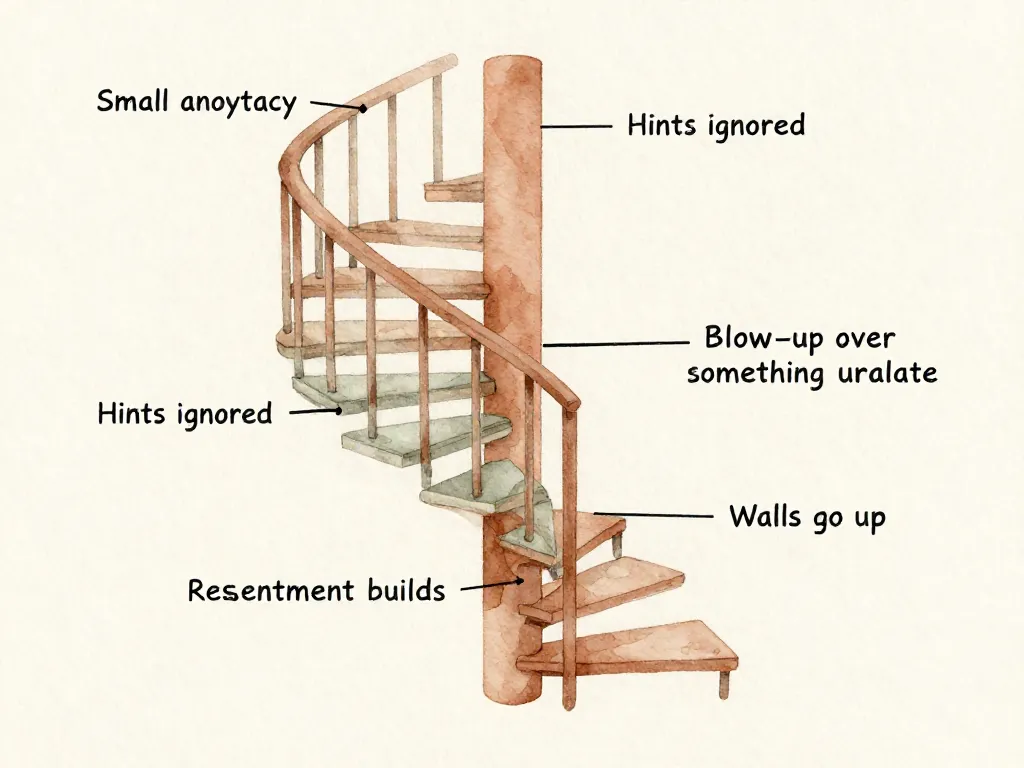
Most roommate conflicts don't start as blowouts. They start as small annoyances — a dish left in the sink, a thermostat adjusted without asking, a guest who stays one night too many. The problem is that these small things accumulate without a structure to address them.
Here's what actually happens in most bad roommate situations:
- Something bothers you. You say nothing because it feels petty.
- It happens again. You drop a hint. The hint doesn't land.
- It becomes a pattern. Resentment builds. You start interpreting everything your roommate does through a lens of frustration.
- An unrelated incident triggers a confrontation. The conversation goes poorly because it's now about 17 things instead of one.
- Both people feel attacked. Walls go up. Communication breaks down.
This cycle is so common it's practically universal. And here's the important part: it doesn't mean the relationship is broken beyond repair. It means you skipped step zero — setting clear expectations before problems became patterns.
But sometimes, the situation is genuinely toxic. So how do you tell the difference?
Signs Your Bad Roommate Situation Is Fixable
Before you start packing boxes, look for these indicators that the conflict can still be resolved:
They Respond to Direct Communication (Even If Imperfectly)
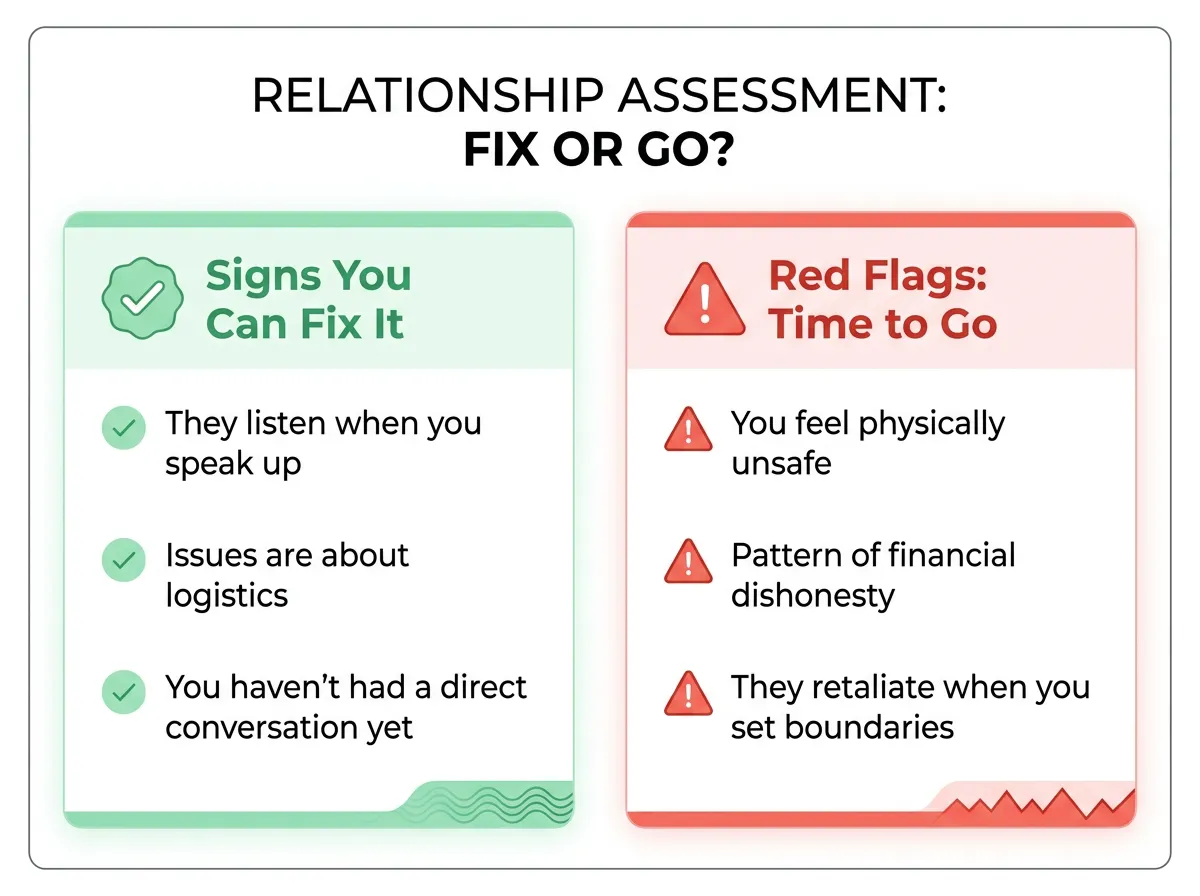
The single most important signal: when you bring something up clearly and directly, does your roommate engage with it? They don't have to agree immediately. They don't have to be happy about it. But if they listen, acknowledge your concern, and make some effort — even inconsistent effort — that's a relationship with repair potential.
Example: Maya told her roommate, Jordan, that she needed the apartment quiet after 10 p.m. on weeknights because of her early work schedule. Jordan pushed back at first ("10 is really early"), but they eventually compromised on 11 p.m. Sunday through Thursday. Jordan slipped up a few times, but corrected course when reminded. Imperfect — but workable.
The Issues Are About Logistics, Not Character
Conflicts about dishes, cleaning schedules, grocery sharing, noise levels, guest policies, and shared expenses are logistical problems. They have solutions. They can be written down, agreed upon, and revisited.
Conflicts about respect, honesty, and basic decency are character problems. Those are much harder to fix from the outside.
Ask yourself: If we had a crystal-clear written agreement about this issue, would that likely solve it? If yes, the problem is structural, not personal.
You Haven't Actually Had "The Conversation" Yet
Be honest with yourself here. Hinting, venting to friends, slamming cabinets, or sending a frustrated text at midnight is not the same as sitting down and saying: "I need to talk about something that's been bothering me. Can we find a time?"
A surprising number of people in a bad roommate situation have never had one calm, direct, specific conversation about the actual problem. If that's you, you owe it to yourself (and your roommate) to try before making any major decisions.
Both of You Have Something to Lose by Breaking the Lease
Practical considerations matter. If you're both on the lease, if the rent is below market, if you're mid-semester and finding new housing would be enormously disruptive — those factors don't mean you should tolerate anything, but they do mean it's worth investing genuine effort into resolution before walking away.
Red Flags That Signal It's Time to Move Out
Now for the harder truth. Some situations aren't fixable — at least not by you, not from inside the living arrangement. Here are the red flags that should shift your thinking from "How do I fix this?" to "How do I get out safely?"
Your Physical Safety Feels Compromised
This is the brightest line. If your roommate has threatened you, physically intimidated you, damaged your property in anger, or engaged in behavior that makes you fear for your safety, you do not need a framework. You need a plan to leave.
This includes: - Verbal threats, even "joking" ones - Punching walls, throwing objects, or blocking doorways during arguments - Substance use that leads to unpredictable or aggressive behavior - Bringing people into the home who make you feel unsafe
If you're in this situation, contact your landlord, local tenant's rights organization, or — if there's immediate danger — call 911.
They've Shown a Pattern of Dishonesty About Money
A roommate who is late on rent once because of an unexpected expense is having a bad month. A roommate who repeatedly lies about paying bills, takes money meant for shared expenses, or refuses to contribute to costs they agreed to share is showing you who they are.
Financial deception erodes trust faster than almost anything else in a shared living arrangement, and it puts your credit, your housing stability, and your finances at direct risk.
The Two-Conversation Test Has Failed
Here's the framework I recommend:
Conversation One: Raise the issue directly and specifically. No hinting, no generalizing. "I need us to agree on a cleaning schedule for the kitchen" — not "You're so messy." Propose a solution. Give it two to three weeks.
Conversation Two: If the issue persists, bring it up again. Reference the first conversation. "We talked about this on [date], and I've noticed it's still happening. What's going on?" Listen to their response. Adjust the agreement if needed.
If nothing changes after two direct, good-faith conversations, you have your answer. The problem isn't a misunderstanding. Your roommate has heard you, understood you, and decided not to change. That's information you can act on.
Your Mental Health Is Deteriorating
Pay attention to your body and mind. Are you: - Dreading coming home? - Losing sleep regularly because of roommate-related stress? - Feeling anxious, depressed, or on edge in your own living space? - Spending excessive money eating out, staying at friends' places, or hiding in your room to avoid your roommate?
Your home should be a place where you can decompress. If it's become a source of chronic stress — and you've tried to address the issues — that's a legitimate reason to leave, even if the problems seem "small" on paper.
They Retaliate When You Set Boundaries
There's a stark difference between a roommate who grumbles about a new boundary and one who punishes you for setting it. Retaliation looks like: - Giving you the silent treatment for days after a reasonable request - "Accidentally" being louder, messier, or more disruptive after a conversation - Turning mutual friends or other roommates against you - Invading your privacy (entering your room, reading your messages, tampering with your belongings)
If raising a concern makes things worse instead of opening a dialogue, you're not in a conflict — you're in a power struggle. And you shouldn't have to fight for basic respect in your own home.
The Decision Framework: A Step-by-Step Approach
Here's how to move from "I don't know what to do" to a clear decision:
Step 1: Name the Specific Problems
Write them down. Not "my roommate is terrible," but specific, observable behaviors. "My roommate plays loud music after midnight three to four times per week." "My roommate has not paid their share of the electric bill for two months." "My roommate's partner stays over five or more nights per week without contributing to rent."
This list becomes your diagnostic tool.
Step 2: Categorize Each Problem
For each item on your list, ask: - Is this a logistical issue (solvable with a clear agreement)? - Is this a respect/character issue (requires the other person to change how they treat you)? - Is this a safety issue (requires immediate action)?
Step 3: Apply the Two-Conversation Test
For logistical issues, have the conversations. Give the process a genuine chance. Consider formalizing your agreements in writing — tools like Servanda can help roommates create clear, structured agreements that prevent the same conflicts from recycling endlessly.
Step 4: Set a Personal Deadline
Give yourself a specific date — four to six weeks out — by which you'll reassess. This prevents the slow drift of "I'll see if it gets better" that can keep you stuck for months. When the date arrives, ask yourself honestly: Has this improved meaningfully?
Step 5: If You Decide to Leave, Plan Before You Act
Don't announce you're moving out in the heat of an argument. Instead: - Review your lease for early termination clauses, subletting options, or notice requirements - Calculate the true financial cost of moving (deposits, movers, overlap rent, new furniture) - Line up your next living situation before giving notice if possible - Document any lease violations or safety concerns in writing, with dates

What to Do If You Decide to Stay and Fix It
If your assessment points toward staying, here's how to actually make things better — not just tolerable:
Create a Written Roommate Agreement
This isn't excessive or dramatic. It's practical. Cover: - Quiet hours (specific times, specific days) - Cleaning responsibilities (who does what, how often) - Guest policies (overnight limits, advance notice expectations) - Shared expenses (how they're split, when they're due, what happens if someone's late) - Conflict resolution process (how you'll raise issues with each other going forward)
Put it in writing. Both sign it. Revisit it monthly for the first three months.
Schedule Regular Check-Ins
Fifteen minutes, once a month. Not a therapy session — just a structured moment to ask: "Is anything bugging you? Here's something I'd like to adjust." This prevents the accumulation cycle that causes most roommate conflicts in the first place.
Protect Your Own Space
Even in a good roommate situation, you need boundaries. Invest in noise-canceling headphones. Put a lock on your bedroom door if needed. Establish times when the shared space is "yours." Having physical and temporal boundaries reduces friction even when the relationship is healthy.
Frequently Asked Questions
How do I know if my roommate situation is toxic or just annoying?
A situation is annoying when the problems are about habits and logistics — things that could be solved with a clear conversation and a written agreement. It becomes toxic when your roommate consistently disrespects your boundaries, retaliates when you raise concerns, or makes you feel unsafe. The key difference is whether the other person is willing to engage in good faith.
Can I break my lease because of a bad roommate?
It depends on your lease terms and local tenant law. Most standard leases don't allow you to break the agreement just because of roommate conflict, but some have early termination clauses, and some jurisdictions make exceptions for safety concerns or harassment. Review your lease carefully, and consult a local tenant's rights organization if you're unsure about your options.
What if my roommate refuses to talk about the problems?
If your roommate shuts down, deflects, or refuses to engage every time you raise an issue, that's a significant red flag. Try putting your concerns in writing — sometimes a calm, specific email or letter is easier for people to process than a face-to-face conversation. If they still won't engage, you've essentially gotten your answer: they're not willing to work on the situation, and your decision should be informed by that reality.
Should I involve our landlord in a roommate dispute?
Generally, landlords aren't mediators, and involving them in interpersonal conflicts can backfire. However, you should absolutely contact your landlord if your roommate is violating the lease (not paying rent, causing property damage, engaging in illegal activity) or if your safety is at risk. Keep your communication factual and documented.
How do I bring up roommate problems without starting a fight?
Be specific, not general. Focus on one issue at a time. Use concrete observations rather than character judgments — "The dishes have been in the sink for three days" rather than "You never clean up after yourself." Choose a neutral time (not during the problem itself), and propose a solution rather than just airing a complaint. The goal is to solve a problem together, not to win an argument.
Moving Forward, Whatever You Decide
A bad roommate situation is one of those problems that feels uniquely personal — it's happening in your home, the place where you're supposed to feel safe and at ease. That's exactly why the decision to stay or go carries so much weight.
But here's what I want you to take from this: you're not stuck. If the situation is fixable, you now have a clear process — name the problems, have the conversations, put agreements in writing, and set a deadline for reassessment. If the situation isn't fixable, you have permission to prioritize your wellbeing and make a plan to leave.
The worst option is the one most people default to: doing nothing and hoping it gets better on its own. It almost never does.
Whichever direction you choose, you're making an active decision about the quality of your daily life. That's not overreacting. That's taking yourself seriously.