Passive-Aggressive Roommate? Here's What to Do
You come home after a long day to find your clean dishes stacked on your bed. No note, no conversation — just a pile of plates and a roommate who smiles and says, "Oh, I just thought you'd want those back." You know something's wrong, but nothing was actually said. Welcome to life with a passive-aggressive roommate.
This kind of indirect hostility — the snarky Post-it notes, the dramatic sighs when you walk into the kitchen, the "I'm fine" that clearly means "I'm furious" — is one of the most draining dynamics in shared living. It's hard to address because there's nothing concrete to point to. You're left feeling crazy for being upset about a comment that was technically polite.
This guide won't tell you to "just communicate better." Instead, it breaks down what passive aggression actually looks like in a roommate setting, why people do it, and — most importantly — gives you specific phrases and strategies to cut through the fog and get to a real conversation.
Key Takeaways
- Passive aggression is a pattern, not a single incident. Learn to recognize the recurring behaviors — silent treatment, backhanded comments, weaponized compliance — so you can name what's happening.
- Don't mirror the behavior. Responding with your own passive aggression creates a toxic feedback loop. Use direct, neutral language instead.
- Use replacement phrases. Swap vague accusations like "You're being passive-aggressive" for specific observations: "I noticed the dishes on my bed — can we talk about what's going on?"
- Set up written agreements early. Many passive-aggressive conflicts stem from unspoken expectations. A clear roommate agreement removes ambiguity.
- Know when it's beyond a conversation. Some patterns require outside structure — a mediator, a formal agreement, or in extreme cases, an exit plan.
What Passive Aggression Actually Looks Like Between Roommates
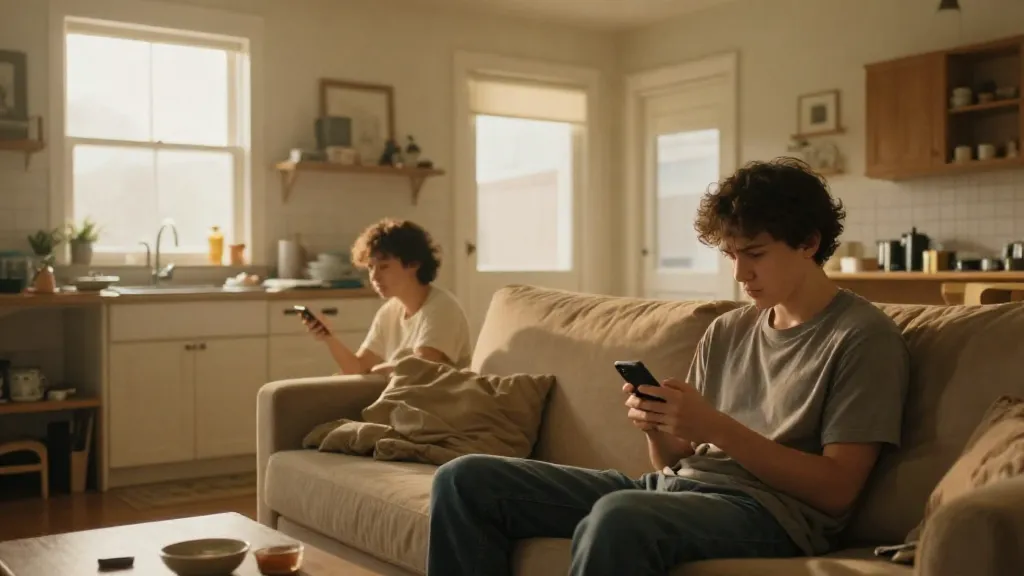
Passive aggression isn't just "being rude." It's a specific communication pattern where someone expresses negative feelings indirectly rather than openly. In a roommate context, it tends to show up in predictable ways.
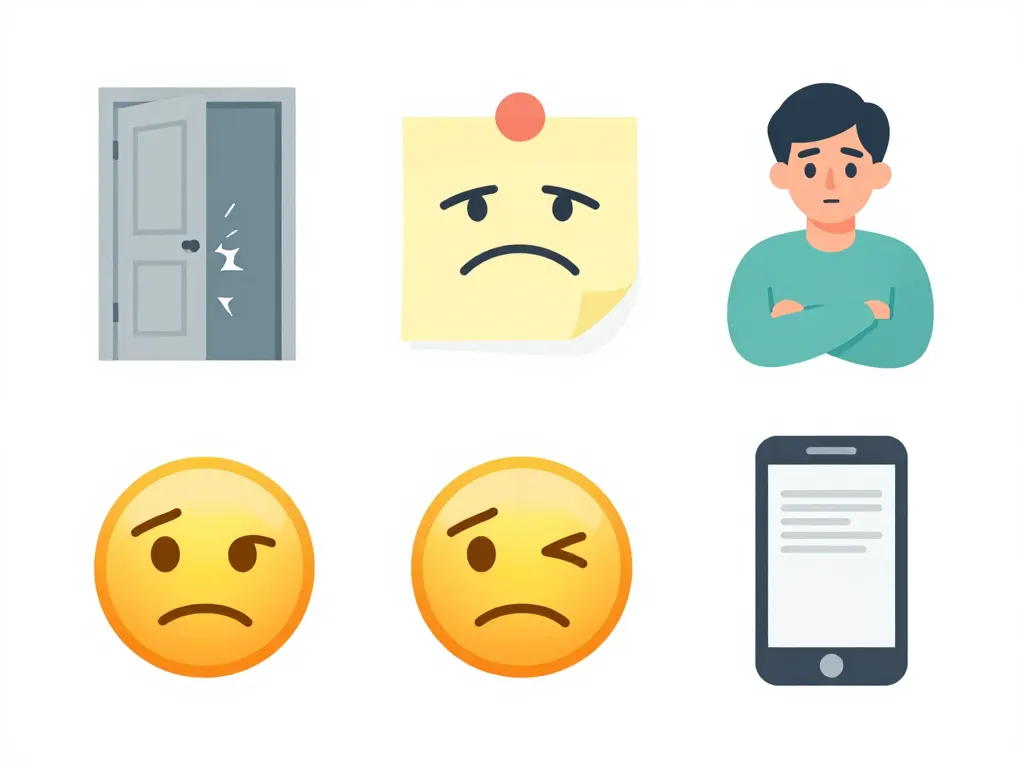
The Classic Signs
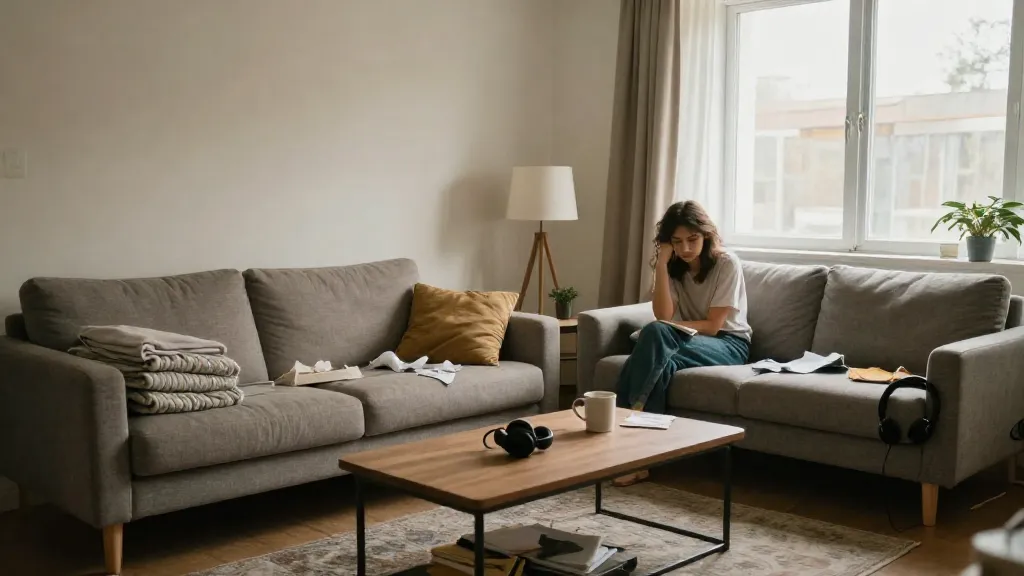
- The silent treatment. Your roommate stops talking to you but denies anything is wrong. Shared spaces become tense and quiet.
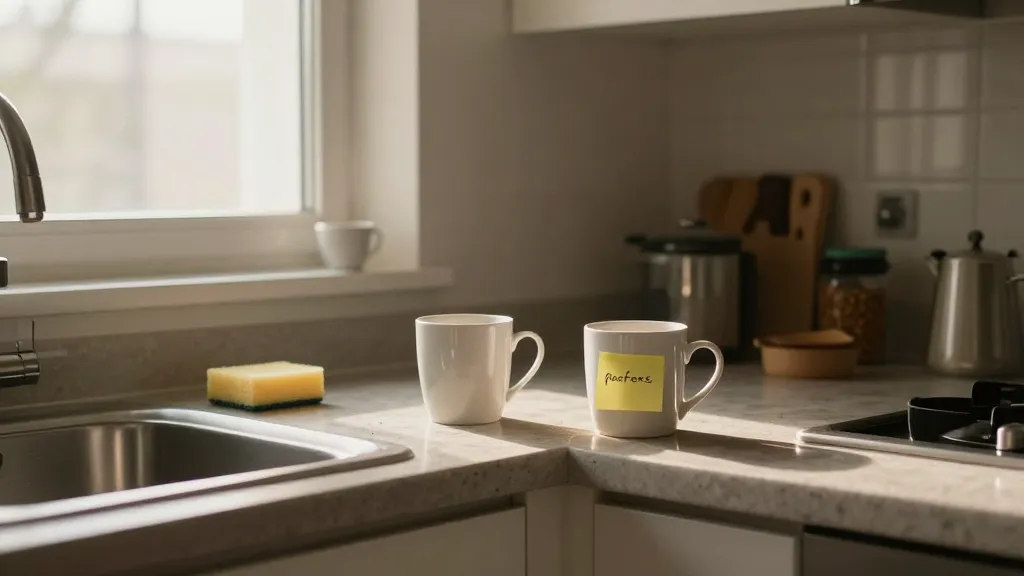
- Sarcastic "jokes." "Oh wow, you actually did the dishes? I should mark the calendar." It's framed as humor, but the sting is intentional.
- Weaponized compliance. They do what you asked — but badly or resentfully. You asked them to keep the volume down, so now they whisper exaggeratedly and tiptoe around like they're walking on glass.
- Indirect complaints. Instead of telling you the apartment is messy, they post a passive-aggressive Instagram story about "people who don't respect shared spaces."
- Selective amnesia. They "forget" to pass along messages, pay their share of a bill on time, or do their agreed-upon chores — but only when they're upset with you.
- The martyr act. "No, no, I'll clean everything again. It's fine. I'm used to it."
Why It Happens
Most people aren't passive-aggressive because they're inherently difficult. There are usually deeper reasons:
- They grew up in a household where direct conflict was unsafe or punished. Expressing anger openly feels dangerous, so they've learned to express it sideways.
- They lack the vocabulary for confrontation. They genuinely don't know how to say, "It bothers me when you leave dishes in the sink."
- They're conflict-avoidant but still resentful. They'd rather swallow their frustration than risk an argument — until it leaks out as sarcasm and door-slamming.
- There's a power imbalance. If one roommate is on the lease and the other isn't, or if one person is more socially dominant, the less powerful person may resort to indirect resistance.
Understanding why doesn't mean you have to tolerate it. But it does change how you respond.
How to Respond to a Passive-Aggressive Roommate Without Making It Worse
Here's the hard truth: your natural instincts when faced with passive aggression are almost always wrong. Let's look at what doesn't work — and what does.
What NOT to Do
Don't match their energy. When your roommate leaves a sarcastic note on the fridge, every fiber of your being wants to write an even more sarcastic note back. Resist. This starts a cold war where both of you communicate exclusively through Post-its and slammed doors.
Don't call them "passive-aggressive" to their face. Even if it's accurate, labeling someone's behavior with a psychological term mid-conflict almost always backfires. It sounds clinical and condescending, and it puts them on the defensive.
Don't pretend everything is fine. If you absorb their behavior without addressing it, resentment builds on both sides. You end up either exploding months later or quietly hating someone you live with.
Don't vent about them to your mutual friends. This creates alliances and gossip circles within your living situation, and it will get back to them. When it does, it confirms their belief that direct confrontation isn't safe — because now people are talking about them behind their back.

What to Do Instead: The Direct-but-Gentle Approach
The goal is to be direct without being aggressive. You want to name what you're observing without diagnosing or accusing.
Step 1: Name the specific behavior, not the pattern.
Instead of: "You're always being passive-aggressive." Try: "I noticed you haven't spoken to me in three days. I want to check in — is something bothering you?"
Instead of: "Why did you leave that rude note?" Try: "I saw your note about the dishes. I'd rather talk about this in person — can we figure out a system that works for both of us?"
Step 2: Use "I noticed" and "I felt" — not "You always" and "You never."
This isn't therapy-speak for the sake of it. Starting with "you" triggers defensiveness. Starting with "I" keeps the conversation on your experience, which is harder to argue with.
- "I noticed the trash bag by my door. I'm guessing you're frustrated about the trash situation — can we talk about it?"
- "I felt weird when you made that comment about my cooking. Was there something behind it, or am I reading into it?"
Step 3: Give them a graceful exit.
People resort to passive aggression because direct confrontation feels unsafe. If you want them to open up, you need to make openness feel safe. Offer an easy on-ramp:
- "I'm not trying to start a fight — I genuinely want us to get along."
- "If something's bugging you, I'd rather hear it straight than guess."
- "We don't have to solve everything right now. I just want to understand what's going on."
Step 4: Be prepared for denial.
The most common response to being gently called out is: "I don't know what you're talking about. Everything's fine." This is frustrating, but it's also predictable. Don't push. Instead, say:
- "Okay. I just wanted to check. If something does come up, I'm open to hearing it."
This plants a seed. You've signaled that you're approachable and that you've noticed. Often, the real conversation happens a day or two later.
Replacement Phrases: What to Say Instead of What You're Thinking
Here's a practical cheat sheet for common passive-aggressive scenarios.
| When they say... | You're tempted to say... | Try this instead |
|---|---|---|
| "Must be nice to sleep in on a Saturday." | "Must be nice to be petty about everything." | "Are you feeling like chores aren't being split fairly? Let's revisit our plan." |
| "I already cleaned the kitchen. Again." | "Then stop keeping score." | "I appreciate that. Let's make a schedule so it doesn't always fall on you." |
| "It's fine." (It's not fine.) | "Clearly it's not fine." | "You're saying it's fine, but I'm picking up that something's off. I'd rather hear it." |
| "I didn't know I needed permission to have friends over." | "You don't, but you do need common sense." | "You don't need permission. I'd just love a heads-up so I can plan around it." |
| *Posts vague complaint on social media* | *Responds with own vague post* | "I saw your post. I'd rather us talk directly if something's wrong." |
Preventing Passive Aggression Before It Starts
The best fight is the one that never happens. Many passive-aggressive dynamics develop because expectations were never made explicit.
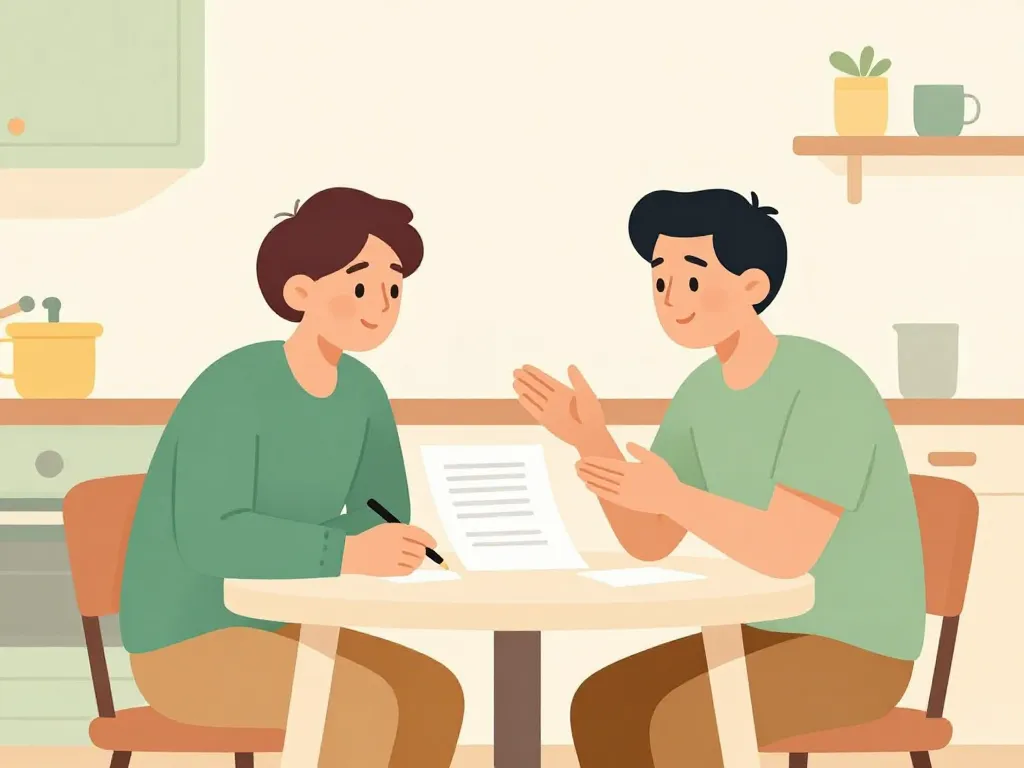
Create a Roommate Agreement — A Real One
Not a generic template you downloaded and never looked at again. A living document that covers the things that actually cause friction:
- Cleaning: Who does what, how often, and what "clean" actually means to each of you.
- Guests and overnight visitors: How much notice is expected? Are there quiet hours?
- Shared expenses: How are groceries, supplies, and utilities split? When is rent due?
- Noise and schedules: Morning person vs. night owl? Remote work needs?
- Communication preferences: How do you want to handle complaints — text, in person, weekly check-in?
Tools like Servanda can help roommates create written agreements that prevent future conflicts, giving you a clear reference point when someone "forgets" what was decided.
Schedule Regular Check-Ins
This sounds formal, but it doesn't have to be. A five-minute conversation every two weeks — over coffee, while cooking, whenever — where you both ask: "Is anything bugging you about our living situation?"
The magic of regular check-ins is that they normalize bringing up small issues before they fester into resentment. When there's a designated time to air grievances, people are less likely to express them through sarcastic sticky notes.
Establish a "No Guessing" Rule
Agree early on that you'll both commit to saying what you mean. If something bothers you, you say it directly — within 48 hours, ideally. No hinting, no sighing, no moving someone's stuff to "send a message." This takes practice, especially if your roommate isn't used to it. But even naming the rule creates accountability.
When the Situation Is Beyond a Conversation
Sometimes you've done everything right — you've been direct, you've been kind, you've offered openings — and the passive aggression continues. Here's how to assess your options:
It might be time for outside help if:
- The same issues keep cycling despite multiple direct conversations.
- You feel like you're walking on eggshells in your own home.
- The behavior has escalated from snarky comments to sabotage — hiding your things, messing with your food, locking you out "accidentally."
- Your mental health or sleep is being affected.
Options at this point:
- Bring in a neutral third party. A mutual friend you both trust, an RA (if you're in a dorm), or a landlord who handles disputes. Having a witness changes the dynamic.
- Put everything in writing. If verbal agreements aren't being honored, write them down. Email or text confirmations create a record.
- Revisit the lease. Understand your rights. Can one of you move out? Is subletting an option? What does the lease say about conflict resolution?
- Protect yourself practically. If things have gotten hostile, keep your valuables in your room, secure your personal food separately, and document incidents in case you need to involve a landlord or authority.
Leaving isn't failure. Sometimes the healthiest thing you can do is recognize that not every living situation is fixable.
FAQ
Is my roommate passive-aggressive or just introverted?
There's a big difference. An introverted roommate might be quiet and keep to themselves, but they won't be hostile about it. Passive aggression has an edge — sarcasm, deliberate avoidance, and behaviors designed to communicate displeasure without saying it directly. If you're unsure, look for the pattern: does the coldness increase after a specific event or disagreement?
How do I bring up passive-aggressive behavior without starting a fight?
Focus on specific actions, not character judgments. Say "I noticed you stopped using the shared grocery list after our conversation last week — did something about our system bother you?" rather than "You're being passive-aggressive about groceries." Keep your tone curious, not accusatory, and offer a way to solve the problem together.
What if I'm the one being passive-aggressive?
Honest self-awareness is half the battle. If you notice yourself writing snarky notes instead of talking, or saying "it's fine" when it's not, pause and ask yourself what you're actually upset about. Then try saying that thing out loud — even if it's uncomfortable. You might start with a text if face-to-face feels too intense: "Hey, I realize I've been weird about the kitchen stuff. Can we talk about it tonight?"
Can a passive-aggressive roommate relationship actually be fixed?
Yes — if both people are willing to try. Many passive-aggressive patterns are habits, not personality traits. When someone feels safe enough to be direct, they often are. But it requires both roommates to commit to honest communication, and that's not always possible. If only one person is doing the work, the dynamic rarely changes.
Should I involve our landlord in a roommate conflict?
Generally, landlords handle lease violations and maintenance — not interpersonal dynamics. But if the behavior involves property damage, harassment, lease violations (like unauthorized guests or nonpayment), or makes you feel unsafe, your landlord needs to know. Document everything in writing before reaching out.
Moving Forward
Living with a passive-aggressive roommate is exhausting because the conflict is always almost visible but never quite in the open. The sarcasm, the silent treatment, the weaponized helpfulness — it all adds up to a home that doesn't feel like home.
But here's what's worth remembering: you have more power in this situation than it feels like. You can choose to respond directly when they respond indirectly. You can name what you observe without attacking who they are. You can set up structures — agreements, check-ins, clear expectations — that make passive aggression unnecessary.
Not every roommate relationship can be saved, and that's okay. But most can be improved dramatically when even one person decides to stop guessing, stop hinting, and start talking plainly. That person might as well be you.