5 Roommate Fights That Ruin Friendships (And Fixes)
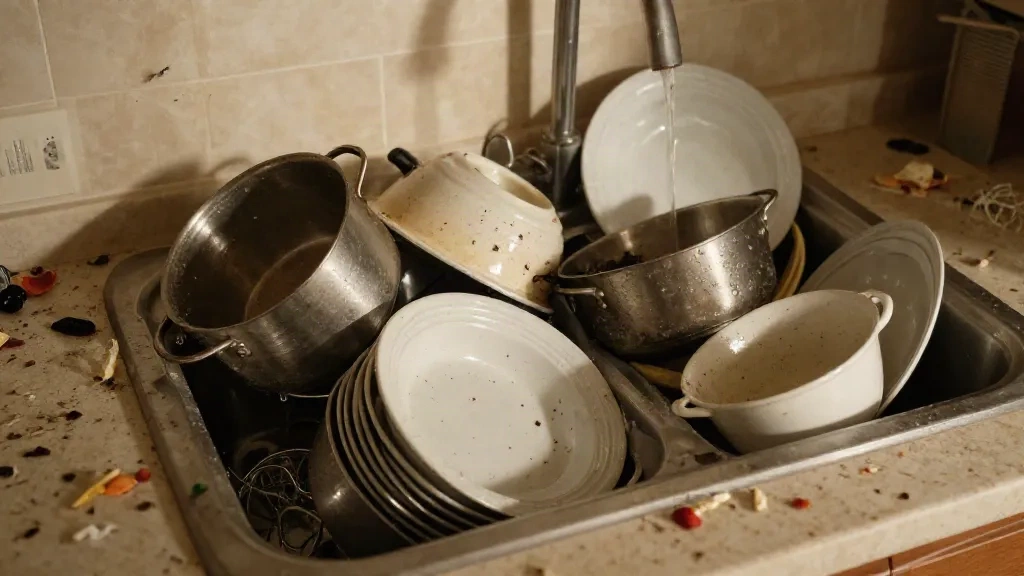
You moved in with your best friend expecting late-night movie marathons and splitting grocery runs. Six months later, you're seething over a sink full of crusty dishes, texting a group chat about how someone keeps leaving the front door unlocked, and wondering whether you even like this person anymore.
Here's what no one tells you: the roommate fights that ruin friendships almost never start with a blowout. They start with a sigh you swallow, a passive-aggressive Post-it note, or a rent Venmo that arrives three days late—again. As a former Resident Advisor who mediated over a hundred of these disputes across two years, I can tell you the pattern is remarkably predictable. The same five conflicts show up in nearly every shared living situation, and they follow the same slow erosion from minor annoyance to friendship-ending resentment.
The good news? Each one has a concrete fix. Not vague advice about "just talking it out," but specific scripts, agreements, and frameworks you can use today.
Key Takeaways
- Most roommate fights aren't about the dishes or the noise—they're about unspoken expectations. Writing down agreements before conflict strikes is the single most effective prevention strategy.
- Each of the five common fights (cleanliness, noise, guests, expenses, and personal boundaries) has a specific resolution script you can adapt to your situation.
- Timing matters more than wording. Bringing up an issue within 48 hours—calmly, outside the heat of the moment—prevents weeks of built-up resentment.
- Splitting responsibilities isn't the same as splitting them fairly. Equal and equitable look different depending on schedules, income, and preferences.
- A written roommate agreement isn't a sign of distrust—it's a sign of respect for the friendship and the living arrangement.
Why Roommate Fights Escalate Into Friendship-Enders
Before diving into the five fights, it helps to understand why shared living conflicts hit so differently than other disagreements.
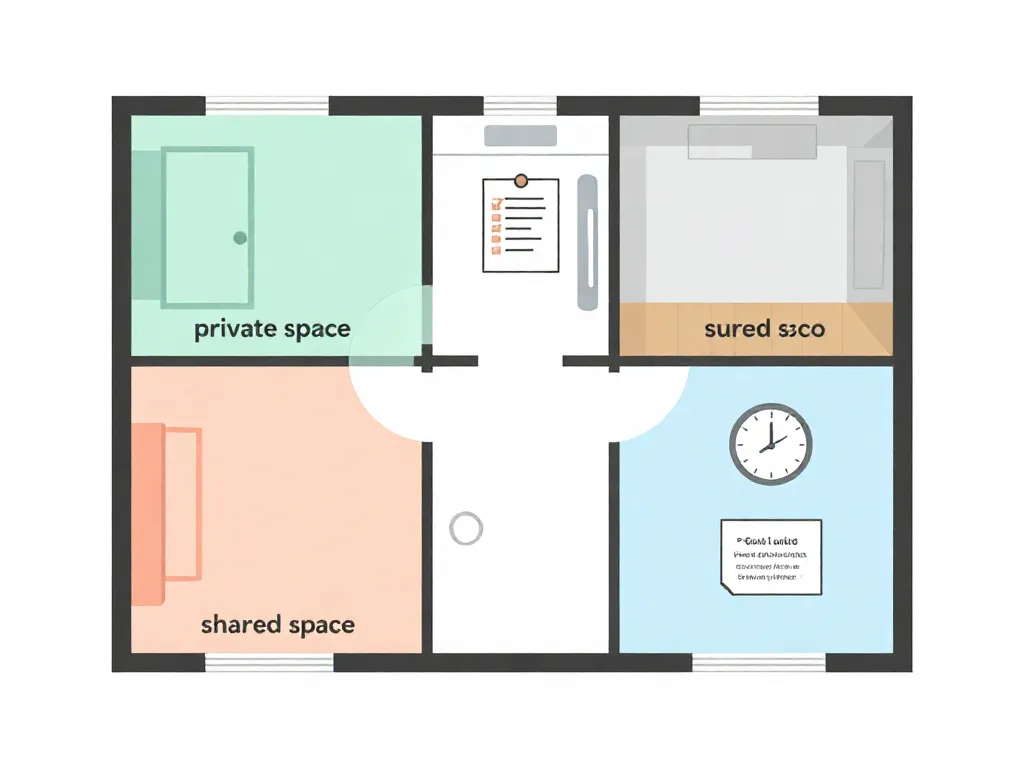
When you argue with a coworker, you go home. When you argue with a roommate, you are home. There's no decompression zone. The kitchen where the fight happened is the same kitchen where you need to make breakfast tomorrow morning. That spatial overlap means unresolved tension has nowhere to dissipate—it just compounds.
Additionally, roommate conflicts carry a unique emotional weight when you're also friends. You're not just annoyed that the trash didn't get taken out. You're hurt because you feel like your friend doesn't respect you enough to follow through. That emotional layer turns a logistics problem into a relational wound.
With that context, let's walk through the five most common roommate fights and exactly how to resolve each one.
Fight #1: The Cleanliness War
What It Looks Like
One roommate's idea of "clean" is wiped counters and a vacuumed floor. The other thinks the apartment is fine as long as there's no visible mold. Neither is wrong—they just have incompatible standards, and neither has ever named those standards out loud.
Real scenario: Mia and Jordan moved in together after being college friends for three years. By month two, Mia was spending her Saturday mornings scrubbing the bathroom alone, growing more resentful each week. Jordan genuinely didn't notice the grime—they'd grown up in a household where deep cleaning happened monthly, not weekly. Mia never said anything directly, opting instead for increasingly loud sighs and a chore chart she posted without discussion. Jordan felt blindsided and micromanaged. By the end of the lease, they barely spoke.
The Fix: The "Clean Enough" Conversation
Sit down—not in the moment of frustration—and have what I call the "Clean Enough" conversation. The goal isn't to agree on a single standard. It's to define what each shared space needs to look like by the end of each day or week.
Resolution script:
"Hey, I want to talk about something before it becomes a bigger deal. I think we have different comfort levels with cleanliness, and that's fine—but I'd love for us to agree on a baseline for the shared spaces. Can we spend ten minutes figuring out what 'clean enough' looks like for the kitchen, bathroom, and living room?"
Then create a simple written agreement:
- Kitchen: Dishes washed or in the dishwasher within 12 hours. Counters wiped after cooking.
- Bathroom: Cleaned every Sunday. Alternate weeks.
- Common areas: Personal items cleared from shared surfaces by end of day.
The key detail: agree on when tasks happen, not just what they are. "Clean the bathroom" is vague. "Clean the bathroom every Sunday before noon, alternating who does it" is enforceable.
Fight #2: The Noise Nightmare
What It Looks Like
One roommate is a night owl who games with a headset until 2 AM (but still manages to slam the microwave door). The other has a 6 AM alarm for work and lies awake stewing about the bass thumping through the wall. Or maybe it's the Wednesday evening FaceTime calls at full volume in the living room during someone else's study session.
Real scenario: Andre worked early-morning shifts at a hospital. His roommate and close friend, Chris, was a freelance designer who kept late hours and often hosted friends for music listening sessions on weeknights. Andre asked Chris to keep it down once. Chris toned it down for a few days, then slid back. Andre started sleeping with earplugs and growing distant. The friendship died not from one loud night, but from fifty small ones.

The Fix: Quiet Hours + Volume Zones
Noise conflicts need structure, not just goodwill. Establish two things in writing:
- Quiet hours: Define a specific window (e.g., 10 PM–7 AM on weeknights, 12 AM–9 AM on weekends) during which shared spaces stay low-volume and bedroom areas are respected.
- Volume zones: Agree that certain activities (video calls, music without headphones, having friends over) happen in specific rooms during specific hours.
Resolution script:
"I know our schedules are really different, and I don't want to cramp your lifestyle. But I've been struggling with sleep, and it's starting to affect my work. Can we set some quiet hours that work for both of us? I'm also open to brainstorming—like maybe headphones after a certain hour, or you using the living room instead of the room next to mine for late-night hangouts."
Notice the framing: you're not accusing, you're inviting collaboration. You're also naming the impact (sleep, work) rather than labeling the behavior ("you're too loud").
Fight #3: The Uninvited Guest Problem
What It Looks Like
Your roommate's partner is over five nights a week. They use the shower, eat your groceries, and leave their shoes by the front door—but they don't contribute to rent or utilities. Or maybe it's a revolving door of friends crashing on the couch every weekend, turning your shared apartment into a social hub you never signed up for.
Real scenario: Taylor's roommate, Sam, started dating someone new. Within a month, Sam's partner was essentially living in the apartment—using the Wi-Fi, taking up bathroom time in the morning, and occupying the living room most evenings. Taylor liked Sam's partner well enough but felt like they'd gained an unpaying third roommate. Taylor didn't know how to bring it up without sounding controlling, so they didn't. The unspoken tension bled into everything else.
The Fix: The Guest Policy Agreement
This is one of the most uncomfortable conversations to initiate, but it's also one of the most important. The goal isn't to control your roommate's social life—it's to protect the living arrangement you both signed up for.
Resolution script:
"I want to be upfront about something because I care about us living well together. I've noticed [partner's name] has been staying over a lot, and I totally get it—you two are great together. But I'm starting to feel like the apartment dynamic has shifted in a way I didn't expect. Can we set some guidelines around overnight guests so we're both comfortable?"
Suggested agreement points:
- Overnight guest limit: No more than [2-3] nights per week for any single guest.
- Heads-up policy: A quick text before bringing someone over, especially on weeknights.
- Shared resource boundaries: Guests don't use roommate's labeled food, toiletries, or personal items.
- Utility contribution: If a guest consistently stays 4+ nights per week, discuss a contribution toward utilities.
Consider formalizing agreements like these with a tool like Servanda—writing things down removes ambiguity and gives both roommates a reference point if things drift.
Fight #4: The Money Mess
What It Looks Like
Rent is due on the first, but your roommate consistently Venmos you on the fifth. You split groceries "evenly," but you're buying staples while they buy snack food. The electric bill spikes because someone runs the AC at 65 degrees all summer, but you split it 50/50.
Real scenario: Priya and Kat agreed to split all shared expenses down the middle. But Priya worked from home and used more electricity, hot water, and internet bandwidth. Kat commuted to an office ten hours a day. When Kat finally brought up the imbalance, Priya got defensive—she felt Kat was nickel-and-diming the friendship. The argument spiraled into a broader referendum on who contributed more to the household. It took weeks to recover.
The Fix: Transparent Systems Over Trust-Based Assumptions
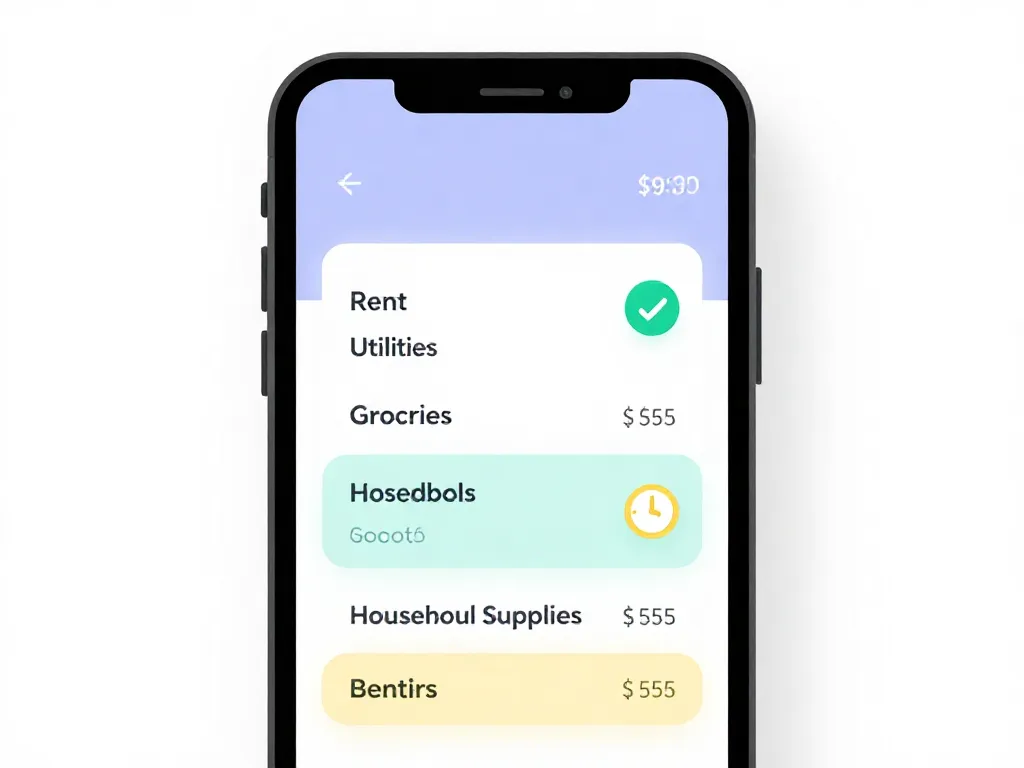
Money conflicts between roommates almost always stem from assumed fairness rather than discussed fairness. The fix requires two components: a shared tracking system and an explicit agreement about what's split, what's individual, and when payments are due.
Resolution script:
"I think we should get more specific about how we handle money—not because I don't trust you, but because vague arrangements always seem to create friction eventually. Can we sit down and map out exactly what's shared, what's individual, and what the deadlines are?"
Practical framework:
- Rent: Due to the person whose name is on the lease by the 28th of the prior month (gives a buffer before the 1st).
- Utilities: Use a shared app (Splitwise, Venmo groups) to log and split. If usage is uneven, discuss a percentage split rather than 50/50.
- Groceries: Separate unless you actively choose to share. If sharing, set a weekly budget and alternate who shops.
- Household supplies: Create a shared fund ($20-30/month each) for toilet paper, dish soap, sponges, and trash bags.
The most important principle: talk about money before you move in, and revisit the agreement every three months. Situations change—someone gets a raise, someone loses a job, someone starts working from home. Your financial arrangement should be a living document, not a set-it-and-forget-it deal.
Fight #5: The Boundary Blur
What It Looks Like
This is the sneakiest friendship-ender because it doesn't look like a "fight" at all. It's the slow erosion of personal space, personal property, and personal time. Your roommate borrows your clothes without asking. They walk into your room without knocking. They expect you to hang out every evening because you live together, and they take it personally when you close your bedroom door.
Real scenario: Diego and Luis were best friends from high school who got an apartment after college. Luis assumed the friendship meant an open-door policy—literally. He'd walk into Diego's room to chat, borrow his chargers and jackets, and get visibly hurt when Diego made plans that didn't include him. Diego felt suffocated but didn't want to damage the friendship by "making it weird." By the time Diego finally snapped, the resentment was so deep the friendship couldn't absorb the blow.
The Fix: Name the Norm, Don't Assume It
Boundary violations between friends happen because both people assume the same norms. They almost never do. The fix is proactively naming your boundaries—not as a rejection, but as a way to protect the friendship.
Resolution script:
"I love living with you, and I want to make sure we keep this good. I've realized I need to be more upfront about some of my boundaries—it's not about you doing anything wrong, it's about me being honest about what I need to be a good roommate. Can I share a few things?"
Then name the specifics:
- "I need my room to be a private space. Can we agree to always knock and wait for an answer?"
- "I'm happy to share some things, but I'd like us to ask before borrowing each other's stuff."
- "Some evenings I'm going to need alone time, and it's not personal. I just recharge that way."
The magic phrase for boundary conversations: "It's not about you—it's about what I need to show up as my best self in this living situation." This removes the accusation and centers the request on sustainability.
The Common Thread: Written Agreements Prevent Unspoken Resentment
If you've noticed a pattern across all five fights, it's this: the conflict isn't really about dishes, noise, guests, money, or boundaries. It's about unspoken expectations.
Every single one of these fights could have been prevented—or at least dramatically softened—by a 30-minute conversation at the start of the living arrangement. Not a rigid legal contract, but a simple written document that answers:
- What does "clean" mean to each of us?
- When are quiet hours?
- What's our guest policy?
- How do we split money, and when are payments due?
- What are our personal boundaries around space, property, and time?
Writing it down does three powerful things:
- It forces clarity. You can't write down something you haven't actually thought through.
- It removes the "I didn't know" defense. If it's written, it was agreed to.
- It depersonalizes enforcement. You're not nagging your friend—you're referencing a shared agreement.
How to Bring Up a Roommate Conflict Without Destroying the Friendship
Regardless of which fight you're facing, here are three timing and framing principles that apply universally:
1. The 48-Hour Rule
Bring up the issue within 48 hours of it bothering you. Long enough to cool down, short enough that you can reference a specific instance rather than saying "you always" or "you never."
2. The Location Swap
Don't have the conversation in the space where the conflict happened. If the kitchen is the battleground, talk in the living room. Better yet, go for a walk. Movement lowers defensiveness.
3. The Future Frame
Instead of "You did X and it bothered me," try "Going forward, can we agree on Y?" This shifts the conversation from blame to problem-solving.
Frequently Asked Questions
How do you confront a roommate without starting a fight?
Start by naming the issue in terms of impact, not blame. Say "I've been struggling to sleep because of noise after midnight" instead of "You're too loud at night." Choose a calm moment—never in the heat of frustration—and frame the conversation as a shared problem you want to solve together rather than an accusation you need them to answer for.
Is it normal for roommates to fight a lot?
Some friction is completely normal. You're sharing a living space with another human who has different habits, schedules, and standards. What isn't normal—or sustainable—is recurring fights about the same issue with no resolution. If you're having the same argument more than twice, you don't have a personality clash; you have an agreement gap.
Should you live with your best friend?
It can work, but only if both people are willing to treat the living arrangement as a separate relationship from the friendship. That means having awkward conversations about money, cleanliness, and boundaries upfront rather than assuming the friendship will carry you through. The friendships that survive cohabitation are the ones where both people choose honesty over comfort early and often.
What should a roommate agreement include?
At minimum: cleaning responsibilities and schedules, quiet hours, guest and overnight visitor policies, how shared expenses are split and when payments are due, and personal boundary expectations around space and belongings. It doesn't need to be long or formal—even a shared Google Doc works. What matters is that it's written, specific, and agreed to by everyone.
When is it time to stop trying and move out?
If you've had direct, calm conversations about the issue multiple times, created a written agreement, and your roommate still consistently violates the terms—or refuses to engage in the conversation at all—it may be time to plan an exit. A living situation that's harming your mental health or your ability to function isn't worth preserving out of guilt or obligation. Protecting yourself isn't giving up on the friendship; sometimes it's the only way to save it.
Conclusion
The five roommate fights that ruin friendships—cleanliness battles, noise disputes, guest overload, money messes, and boundary violations—follow a predictable pattern. They start small, fester in silence, and eventually explode in ways that feel disproportionate to the original issue. But they're also deeply fixable, if you're willing to have specific, timely, and honest conversations.
You don't need to be a conflict resolution expert. You need a willingness to name what's bothering you within 48 hours, frame it as a shared problem, and write down the solution you agree on. That one habit—writing it down—will protect more friendships than any amount of goodwill or patience ever could.
Your roommate is probably not trying to make your life harder. They're just operating on different defaults. Name those defaults, negotiate new ones, and put them in writing. The friendship is worth the awkward conversation.