5 Roommate Horror Stories and How to Avoid Them
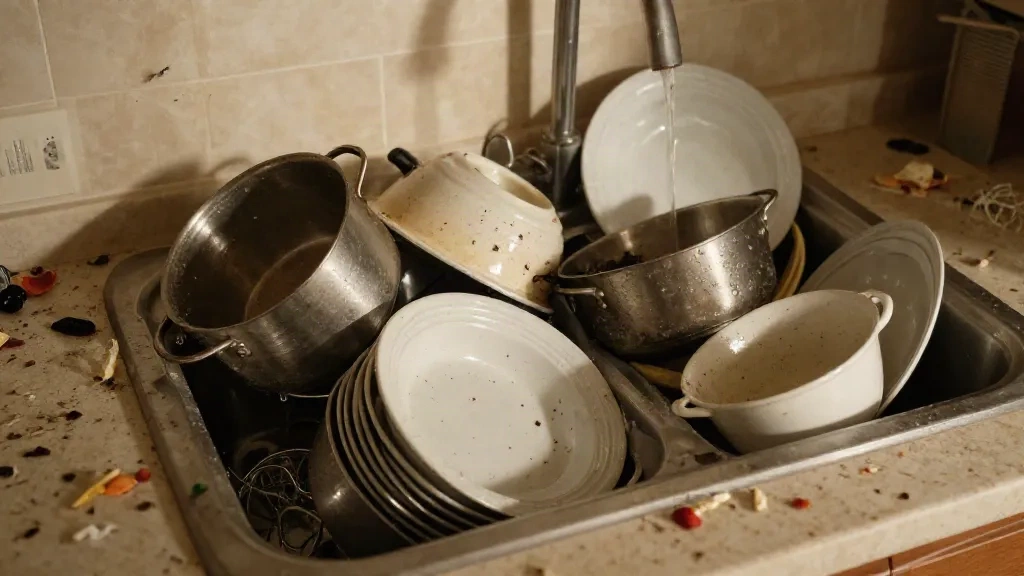
You found the perfect apartment, signed the lease, and started imagining your new life. Then your roommate moved in — and everything fell apart. The dirty dishes multiplied like a science experiment. The rent check bounced. A stranger was sleeping on your couch every weekend. What started as an exciting fresh chapter turned into a daily survival exercise.
If this sounds familiar, you're far from alone. A 2023 survey by Apartment List found that nearly 30% of renters experienced a serious conflict with a roommate within their first year of living together. And for college students heading into shared housing for the first time, the stakes feel even higher — you're navigating a new environment, new responsibilities, and a new person's living habits all at once.
The good news? Almost every roommate horror story follows a predictable pattern. That means they're preventable. Below are five real (anonymized) cautionary tales, what went wrong, and exactly how to protect yourself.
Key Takeaways
- Most roommate nightmares stem from unspoken expectations, not malice. Putting agreements in writing before move-in eliminates the majority of conflicts.
- Financial disagreements are the #1 cause of roommate fallouts. Always establish who pays what, when, and what happens if someone can't pay.
- "We'll figure it out as we go" is the most dangerous phrase in shared living. A 30-minute conversation before move-in day can save months of resentment.
- You don't need to be best friends to be great roommates. Mutual respect and clear boundaries matter more than chemistry.
- Document everything. Texts, Venmo records, signed agreements — these protect both parties when memories differ.

Horror Story #1: The Phantom Roommate Who Never Paid Rent
What Happened
Jessica and Amber found each other on a roommate-matching app. They hit it off during a coffee meetup and signed a lease on a two-bedroom apartment near campus. The agreement was simple: split rent 50/50, due on the first of each month.
For the first two months, everything was fine. Then Amber's payment was late. Then it was "coming next week." By month four, Amber owed over $2,000 and had stopped responding to texts about it. Jessica was covering the full rent to avoid an eviction that would damage both their credit scores.
What Went Wrong
There was no written agreement between the two of them — only verbal promises. Both names were on the lease, which meant the landlord didn't care who paid what; they only cared that the full amount arrived. Jessica had no leverage beyond awkward conversations.
How to Avoid This
- Create a roommate financial agreement separate from the lease. Include amounts, due dates, payment methods, and late-payment consequences.
- Use a shared payment platform (Venmo, Zelle, Splitwise) so there's always a digital receipt.
- Discuss emergency scenarios upfront. What happens if one person loses their job? Agree on a grace period and a plan — before it's needed.
- Know your lease terms. Understand whether you're on a joint lease (both liable for total rent) or individual leases (each person liable only for their portion). This distinction matters enormously.
Horror Story #2: The Overnight Guest Who Moved In
What Happened
Marco's roommate David started dating someone new in October. By November, David's partner was at the apartment five nights a week — showering there, eating the shared groceries, and taking up the living room every evening. Marco felt like a third wheel in his own home.
When Marco finally brought it up, David got defensive: "It's my apartment too. I can have whoever I want over."
What Went Wrong
Neither Marco nor David had ever discussed guest policies. There was no shared understanding of how often overnight guests were acceptable or when a "guest" effectively becomes an unauthorized occupant.
How to Avoid This
- Set guest expectations before move-in. This isn't about controlling each other — it's about mutual respect. A good starting framework: overnight guests are welcome up to X nights per week, with a heads-up text.
- Define what "living there" looks like. If someone is staying more than three or four nights a week, it's reasonable to renegotiate shared expenses.
- Revisit the conversation when circumstances change. New relationship? Semester break? Family visiting? These are natural moments to check in.
- Frame it around impact, not judgment. "I've noticed the bathroom is occupied most mornings when I'm getting ready for class" is more productive than "Your partner is here too much."
Horror Story #3: The Clean Freak vs. The Tornado
What Happened
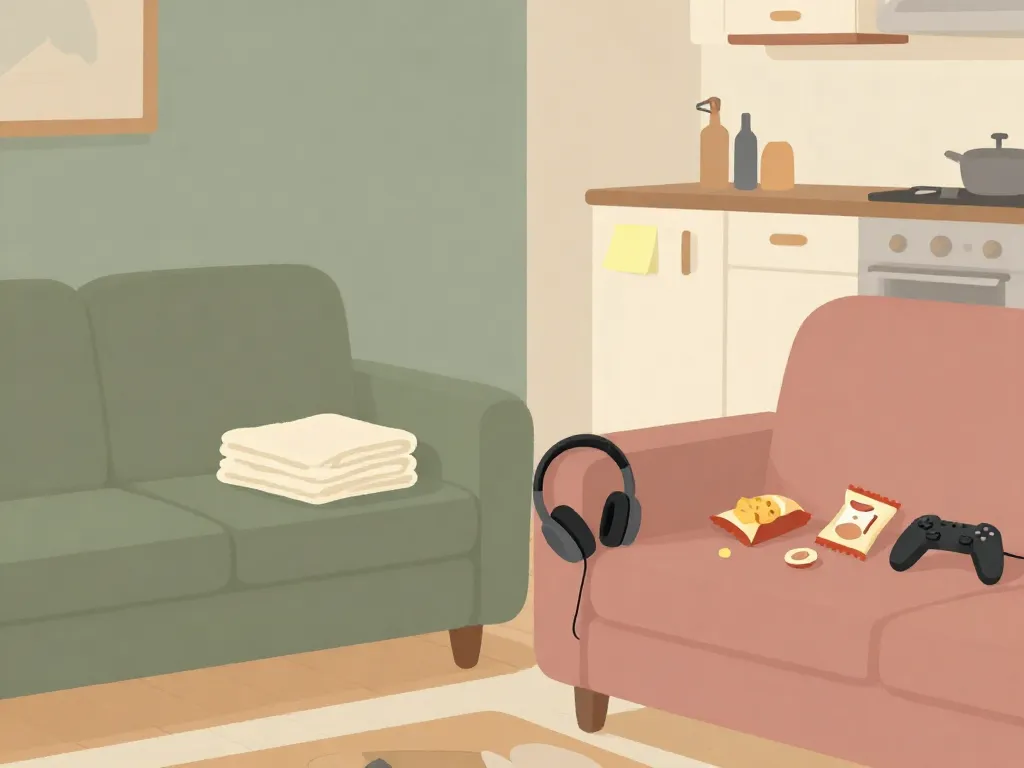
Priya kept her space immaculate. Her roommate Kayla... did not. Dishes piled up in the sink for days. Laundry lived on the living room floor. The bathroom counter was a permanent mosaic of hair products and toothpaste splatters.
Priya started cleaning up after Kayla to cope, but the resentment built. She began leaving passive-aggressive sticky notes on dirty dishes. Kayla felt attacked and stopped communicating entirely. By the end of the semester, they weren't speaking.
What Went Wrong
Different cleanliness standards aren't inherently a problem — but unspoken ones are. Priya assumed her standard was "normal." Kayla assumed hers was. Neither was wrong, but neither had defined what shared spaces should look like.
How to Avoid This
- Agree on a cleaning standard for shared spaces. Be specific: "Dishes washed within 24 hours. Bathroom cleaned every Sunday. Vacuum the living room weekly." Vague terms like "keep it clean" mean different things to different people.
- Create a rotating chore schedule. It doesn't have to be elaborate — a simple shared Google Doc or fridge checklist works. The point is removing ambiguity about who's responsible for what.
- Separate personal messes from shared ones. You can keep your room however you want. Shared spaces follow shared rules.
- Address issues directly and early. The sticky-note approach feels safer, but it almost always escalates tension. A brief, honest conversation — "Hey, can we talk about the kitchen?" — is uncomfortable for 30 seconds and saves weeks of frustration.
Horror Story #4: The Noise War
What Happened
Tyler was a morning person with 8 a.m. classes. His roommate Ben was a night owl who played video games with a headset mic until 2 a.m. — except when he forgot the headset and the entire apartment became a war zone of gunfire sound effects.
Tyler started retaliating by setting his alarm at 6 a.m. on the loudest setting. Ben responded by being louder at night. It became a full-blown noise war that ended with a complaint from their downstairs neighbor and a warning from their landlord.
What Went Wrong
Retaliation replaced communication. Tyler and Ben had never agreed on quiet hours, and once the conflict started, both treated it as a competition rather than a shared problem.
How to Avoid This
- Establish quiet hours. This is non-negotiable for peaceful cohabitation. A common framework: quiet hours from 10 p.m. to 8 a.m. on weeknights, midnight to 9 a.m. on weekends. Adjust to fit your actual schedules.
- Define what "quiet" means. Headphones required after a certain time. No speakerphone calls in shared spaces after quiet hours. TV volume at a specific level.
- Invest in low-cost solutions. A good pair of earplugs, a white noise machine, or a headphone splitter can eliminate 80% of noise conflicts for under $30.
- Never retaliate. It feels satisfying in the moment and makes everything worse. If a direct conversation doesn't resolve it, involve a neutral third party — an RA, a mutual friend, or a mediation tool.
Horror Story #5: The Lease-Breaker Who Left You Holding the Bag
What Happened
Sophie and Rachel signed a 12-month lease together on a one-bedroom apartment. Seven months in, Rachel got an opportunity to study abroad and announced she was leaving in three weeks. She offered to "help find a replacement" but never followed through.
Sophie was stuck paying the full rent on a place she couldn't afford alone, scrambling to find a subletter mid-semester, and dealing with a landlord who didn't care about Rachel's travel plans.
What Went Wrong
There was no agreement about early departure. Rachel assumed leaving was her right since she was no longer living there. Sophie assumed Rachel would keep paying since her name was on the lease. Both were partially right, and the lack of a plan left Sophie holding the entire financial burden.
How to Avoid This
- Include an exit clause in your roommate agreement. State how much notice is required (60–90 days is standard), who's responsible for finding a replacement, and what happens to the security deposit.
- Understand your lease obligations. If both names are on the lease, both are legally responsible for rent until the lease ends — regardless of who actually lives there. Knowing this upfront changes the conversation.
- Get subletting permission in writing from your landlord before you need it. Many leases prohibit subletting without prior approval.
- Consider formalizing your agreements with a tool like Servanda before conflicts escalate — a written roommate agreement that covers finances, departure plans, and responsibilities gives both people something concrete to refer back to when situations change unexpectedly.
The Common Thread: Prevention Beats Damage Control
Every horror story above shares the same root cause — assumptions replaced agreements. Each roommate assumed the other person shared their expectations about money, guests, cleaning, noise, or commitment to the lease. None of them put their expectations in writing.
Here's a framework for the roommate conversation you should have before (or immediately after) move-in:
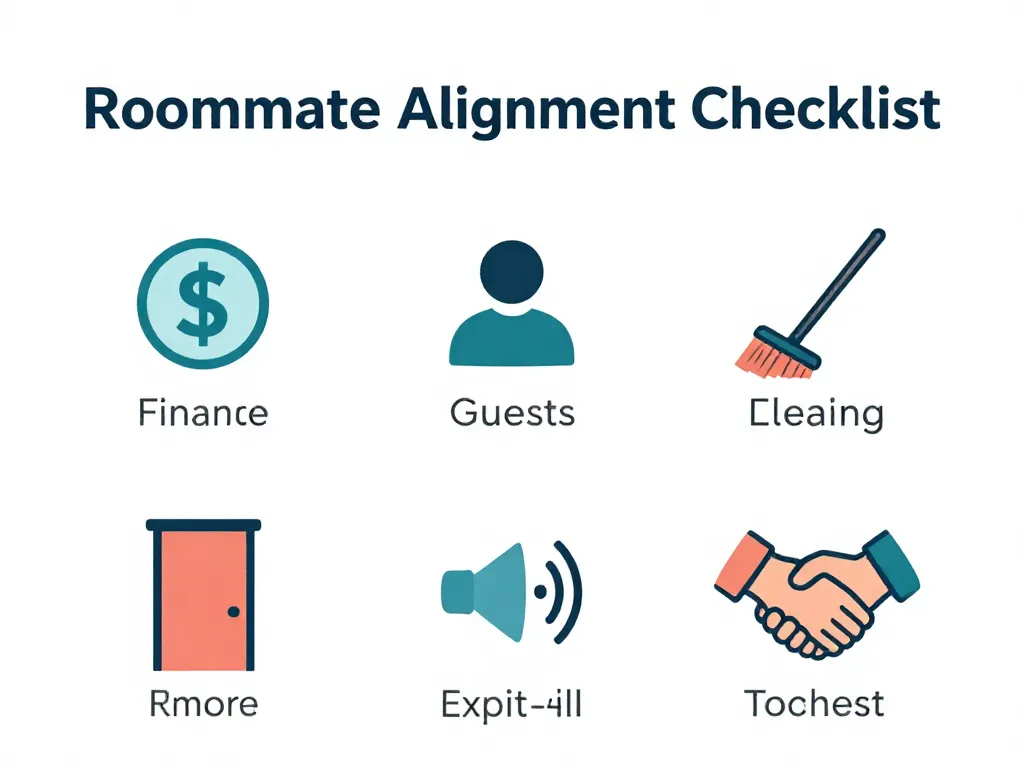
The 30-Minute Roommate Alignment Talk
- Finances: Who pays what, when, and how? What's the plan if someone can't pay?
- Guests: How often? How many nights? What's the heads-up protocol?
- Cleaning: What's the standard for shared spaces? Who does what, and when?
- Noise: When are quiet hours? What does "quiet" mean in practice?
- Exit plan: What happens if one person needs to leave early?
- Conflict resolution: How will you handle disagreements? Agree on a process before you need one.
Write the answers down. Both people sign. It takes 30 minutes and prevents 90% of the conflicts that destroy roommate relationships.
Frequently Asked Questions
How do I bring up a roommate agreement without making it weird?
Frame it as something you're doing for both of you, not something you're imposing on them. Try: "I've heard a lot of horror stories about roommate situations going south — want to spend 20 minutes writing down some ground rules so we're both on the same page?" Most people are relieved someone brought it up first.
What should I do if my roommate breaks our agreement?
Start with a direct, private conversation — reference the specific agreement point and explain the impact on you. If the behavior continues, escalate to a neutral third party like an RA, a mediator, or (in serious cases like non-payment) your landlord. Keep written records of every conversation.
Is a roommate agreement legally binding?
A roommate agreement between tenants is generally not as enforceable as a formal lease, but it serves as documented evidence of what both parties agreed to. This can be valuable in small claims court, mediation, or conversations with a landlord. The real value, though, is in the clarity it creates — most conflicts never escalate to legal action when expectations are written down.
How do I find a compatible roommate in the first place?
Beyond the usual personality-match questions, focus on lifestyle compatibility: sleep schedule, study habits, cleanliness standards, social preferences, and financial reliability. Ask specific scenario questions: "What would you do if you couldn't make rent one month?" or "How do you feel about overnight guests on weeknights?" The answers reveal more than any personality quiz.
When is it time to just move out?
If you've had direct conversations, put agreements in place, and the situation still isn't improving — or if you feel unsafe, harassed, or consistently disrespected — it's time to explore your options. Review your lease terms, talk to your landlord about breaking the lease or transferring, and document everything in case you need it later.
Moving Forward Without Fear
Living with a roommate doesn't have to be a roll of the dice. The five stories above are dramatic, but they're also completely avoidable. The roommates who thrive aren't the ones who got lucky with a perfect match — they're the ones who had honest conversations early, put agreements in writing, and addressed small issues before they became big ones.
You don't need to be best friends with your roommate. You just need mutual respect, clear expectations, and a willingness to treat shared living like what it is: a partnership that works best when both people know the terms.
Have that 30-minute conversation. Write it down. Revisit it when things change. Your future self — the one who isn't starring in a horror story — will thank you.