Roommate Horror Stories: What They Taught Me
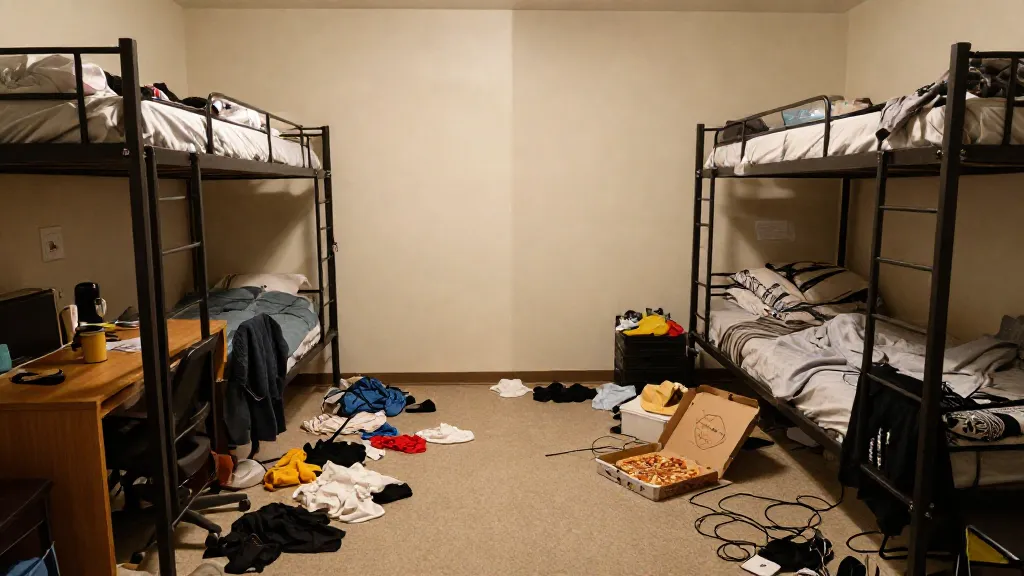
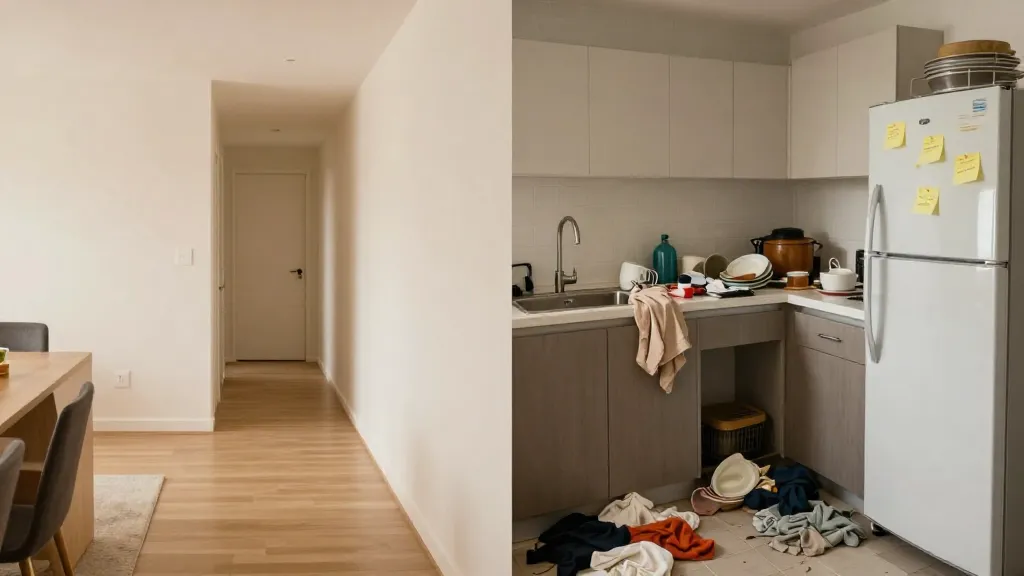
You come home after a long day. The sink is stacked with dishes that aren't yours — again. There's a stranger sleeping on the couch — again. And the passive-aggressive sticky note on the fridge has sprouted a reply, written in a different color marker, that somehow makes everything worse. You stand in the doorway of your own apartment and wonder: Is this normal? Am I overreacting? Is every roommate situation this exhausting?
You're not alone. Not even close. Roommate horror stories are practically a genre of their own, and behind every exaggerated retelling is a real person who felt stuck, frustrated, and unsure what to do next. I've collected stories from real people — names changed, details slightly altered — and pulled out the lessons that actually matter. Because the goal here isn't just to commiserate. It's to make sure you never become someone else's horror story, and that your living situation becomes something you can actually live with.
Key Takeaways
- Most roommate conflicts aren't about the "thing" — they're about unspoken expectations. The dishes, the noise, the thermostat: these are symptoms, not the disease.
- Written agreements created before conflict arises are dramatically more effective than conversations held during one. Get specific early.
- Your frustration is valid, and your situation is probably more common than you think. Isolation makes roommate problems feel bigger than they are.
- Small, early interventions prevent the slow resentment spiral that turns a minor annoyance into a lease-breaking blowup.
- Conflict isn't a sign of failure — avoiding it is. The roommates who last are the ones willing to have uncomfortable conversations on Tuesday so they're not screaming on Saturday.
Horror Story #1: The Phantom Grocery Thief

The Story
Jenna moved in with two people she found through a listing app. The first month was great. By the third month, her groceries were disappearing. Not dramatically — a few slices of bread here, a scoop of peanut butter there, milk levels dropping faster than she could drink it. She started marking containers with a Sharpie. One roommate, Tyler, laughed it off: "We're all sharing a kitchen, what's the big deal?"
Jenna didn't want to seem petty, so she said nothing for two more months. Then one Sunday she opened the fridge to find her meal-prepped lunches for the entire week — gone. She lost it. Tyler said she was "being dramatic about some Tupperware." They didn't speak for the remaining four months of the lease.
What This Taught Me
The conflict was never about the food. It was about respect for boundaries and the absence of any shared understanding about what's communal and what's personal.
Jenna told me later that if she could do it over, she would have had a five-minute conversation during move-in week: What's shared? What's off-limits? Where's the line? That conversation feels unnecessary on Day 1 when everyone is friendly. But Day 1 is the only time it's easy to have.
Actionable takeaway: During your first week living together, create a simple shared-vs-personal inventory. It doesn't need to be formal. A quick list on a whiteboard or shared note — "communal: cooking oil, spices, coffee filters / personal: everything else" — eliminates 90% of grocery-related resentment.
Horror Story #2: The Night Owl vs. The Early Bird
The Story
Marco worked a 6 AM shift. His roommate David was a freelance designer who did his best work between 11 PM and 3 AM. David's "work" involved video calls, loud music for "creative energy," and a mechanical keyboard that sounded like a tiny jackhammer.
Marco asked David to keep it down after 10 PM. David agreed — and nothing changed. Marco bought earplugs, then a white noise machine, then started sleeping in his car on particularly bad nights. When Marco finally confronted David again, David said, "You agreed to live with me knowing I work from home."
The thing is, David wasn't entirely wrong. They'd never discussed schedules, quiet hours, or what "working from home" actually sounded like in a shared space.
What This Taught Me
Agreements without specifics aren't agreements — they're vibes. "Keep it down" means something different to everyone. David genuinely believed he was keeping it down because he'd switched from speakers to a Bluetooth speaker at lower volume. Marco needed near-silence to fall asleep.
Actionable takeaway: Replace vague agreements with concrete ones. Instead of "keep it down after 10," try:
- No video calls in common areas after 10 PM
- Headphones required for all audio after 10 PM
- Mechanical keyboard gets swapped for a quieter one (or moved to a closed room)
- If either person's schedule changes, we revisit this within a week
Specificity isn't rigid — it's respectful. It means both people know exactly what they've committed to.
Horror Story #3: The Significant Other Who Basically Moved In
The Story
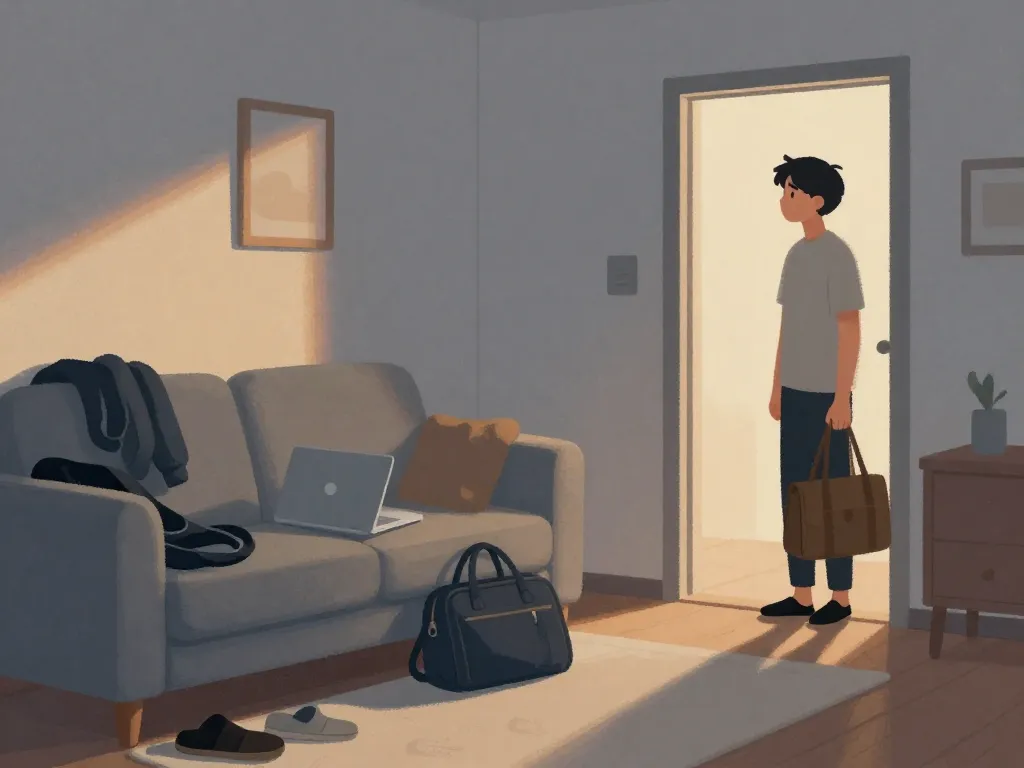
Aisha signed a lease with one roommate, Priya. Within two months, Priya's boyfriend was there five, six, sometimes seven nights a week. He used the shower every morning, ate meals in the kitchen, and spread his things across the living room. When Aisha brought it up, Priya was defensive: "He's my guest. I'm allowed to have guests."
Technically, Priya was right — their lease didn't define guest limits. But Aisha was effectively living with a third person who paid no rent, contributed to no chores, and hadn't been part of any agreement. Aisha's utility bill crept up. The bathroom was always occupied when she needed it. She felt like a guest in her own apartment.
What This Taught Me
"Guest" is one of the most loaded words in roommate life. Everyone agrees guests are fine. Almost no one agrees on what frequency turns a guest into an unofficial resident. This is one of the most common roommate horror stories I've encountered, and it almost always escalates because both people feel completely justified in their position.
Actionable takeaway: Before it becomes an issue, define guest expectations in writing:
- How many nights per week is a guest welcome before a conversation is needed? (Three is a common threshold.)
- Does a frequent guest contribute to utilities or shared supplies?
- Are there shared spaces that need to stay accessible during certain hours?
This isn't about controlling anyone's relationships. It's about acknowledging that a two-person household has a different rhythm than a three-person one, and everyone deserves a say in that shift.
Horror Story #4: The Chore Standoff
The Story
Liam and Carlos agreed to "split chores evenly." Neither of them defined what that meant. Liam vacuumed and cleaned the bathroom weekly. Carlos took out the trash when it was full and wiped the kitchen counter occasionally. Liam felt like he was doing 80% of the work. Carlos felt attacked when Liam brought it up, because from his perspective, he was doing his share.
They entered a silent standoff. Liam stopped cleaning to "prove a point." The apartment became genuinely disgusting. Neither blinked. By month two of the standoff, they had fruit flies, a mysterious smell in the bathroom, and a friendship that was basically over.
What This Taught Me
"Even" is subjective. If you don't define what clean looks like and who owns which task, you're building on sand. Liam valued a spotless bathroom. Carlos genuinely didn't notice the bathroom was dirty until it was really dirty. Neither standard was wrong — they were just different, and never reconciled.
Actionable takeaway: Create a chore rotation that's specific and visible. Here's a simple framework:
| Task | Frequency | Person A Week | Person B Week |
|---|---|---|---|
| Vacuum common areas | Weekly | Odd weeks | Even weeks |
| Clean bathroom | Weekly | Even weeks | Odd weeks |
| Take out trash | As needed | Mon/Wed/Fri | Tue/Thu/Sat |
| Wipe kitchen surfaces | After cooking | Whoever cooked | Whoever cooked |
| Buy shared supplies | Monthly | Alternate months | Alternate months |
Put it on the fridge. Put it in a shared Google Doc. The medium doesn't matter — the visibility does.
Horror Story #5: The Lease-Breaker
The Story
Sophie and her roommate Grace signed a 12-month lease. At month four, Grace got a job offer in another city and announced she was leaving in two weeks. She assumed Sophie could "just find someone" to take her spot. Sophie was left scrambling to cover the full rent while interviewing strangers to move into her home, mid-semester, with zero notice.
Grace didn't think she'd done anything wrong. "Life happens," she said. And she wasn't being callous — she genuinely hadn't considered the financial and logistical burden she'd created because they'd never discussed what would happen if one of them needed to leave early.
What This Taught Me
Hope is not a contingency plan. Everyone signs a lease thinking they'll see it through. But jobs change, relationships change, family emergencies happen. The time to discuss early departure logistics is when everything is fine — not when someone has one foot out the door.
Actionable takeaway: Before or at the start of a lease, agree on an exit protocol:
- Minimum notice period (60 days is reasonable)
- Who's responsible for finding a replacement
- How the departing roommate covers rent until a replacement is found
- Whether the remaining roommate has veto power over the replacement
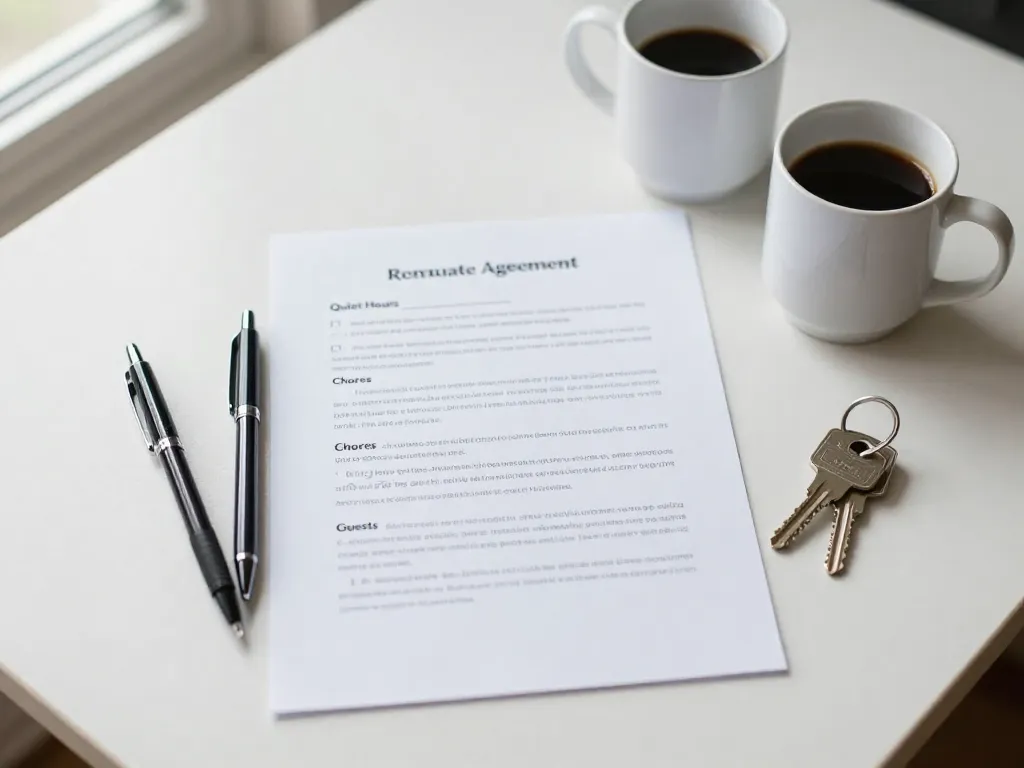
Tools like Servanda can help roommates formalize these kinds of agreements in writing before tensions arise, making sure everyone's on the same page when stakes are low and goodwill is high.
The Pattern Behind Every Roommate Horror Story
If you've read this far, you've probably noticed something. None of these stories involved genuinely terrible people. No one was a villain. Every single conflict boiled down to the same three-part pattern:
- An assumption was made ("Of course we'll split groceries" / "Obviously quiet hours start at 10" / "Surely they'll finish the lease")
- The assumption was never spoken aloud, let alone written down
- By the time the conflict surfaced, emotions were too high for a calm resolution
This is the real lesson hiding inside every roommate horror story: the conflict you prevent on Day 1 is infinitely easier to handle than the one you confront on Day 90.
What a Good Roommate Agreement Actually Covers
Most people think of a roommate agreement as something Sheldon Cooper has — an absurd, legalistic document nobody actually needs. But a practical agreement doesn't have to be 40 pages. It needs to cover:
- Finances: Rent split, utilities, shared expenses, payment deadlines
- Spaces: Shared vs. private areas, guest policies, quiet hours
- Chores: Who does what, how often, and what "clean" means
- Exits: Notice periods, replacement responsibilities, security deposit terms
- Conflict process: How you'll raise issues (text? in person? weekly check-in?) and what happens if you can't resolve them
You can write this on a napkin. The formality doesn't matter. What matters is that two (or more) people sat down, talked through the uncomfortable hypotheticals, and documented what they agreed to.
How to Bring This Up Without Making It Weird
The biggest barrier to creating roommate agreements isn't laziness — it's social awkwardness. Nobody wants to seem like they don't trust their roommate on day one. Here are a few ways to introduce the idea naturally:
- Frame it as something you learned: "I read about roommate agreements after my last living situation went sideways. Want to put something basic together so we're covered?"
- Make it mutual: "I want to make sure we're both comfortable. Can we spend 20 minutes writing down some ground rules so neither of us has to guess?"
- Normalize it: "I've heard the roommates who do this actually get along better long-term. Seems worth a shot."
If your roommate resists the idea entirely, that's actually useful information. Someone unwilling to discuss expectations upfront is showing you something about how they'll handle conflict later.
FAQ
Is it normal to have conflicts with your roommate?
Absolutely. Some level of friction is inevitable when you share a living space with another human being. The question isn't whether you'll have disagreements — it's whether you have the tools to resolve them before they calcify into resentment. Having conflicts doesn't mean you chose the wrong roommate; avoiding them entirely usually means someone is silently suffering.
How do I bring up a roommate problem without starting a fight?
Timing and framing matter more than the words you choose. Don't bring it up in the heat of the moment or via a passive-aggressive text. Choose a neutral time, lead with your experience rather than their behavior ("I've been stressed about the kitchen" vs. "You never clean up"), and suggest a specific solution rather than just airing a complaint.
What should I do if my roommate won't follow our agreement?
First, revisit the agreement together — sometimes people forget, or the agreement needs adjusting. If the behavior continues after a direct conversation, document the pattern and explore your options: mediation (through your housing office, a mutual friend, or an online platform), involving your landlord if lease terms are being violated, or beginning to plan an exit if the situation is truly untenable.
Can a roommate agreement be legally binding?
In many cases, a written roommate agreement can carry legal weight, especially regarding financial obligations like rent splits and security deposits. However, enforceability varies by jurisdiction. Even if your agreement isn't technically a contract, having expectations in writing creates a clear reference point that can be invaluable during disputes or when involving a mediator.
How do I know if my roommate situation is bad enough to move out?
If you've clearly communicated your needs, attempted to resolve conflicts, and your roommate is consistently unwilling to meet you halfway — or if the situation affects your mental health, sleep, or sense of safety — it may be time to plan an exit. Moving out isn't a failure. Staying in a living situation that's damaging your wellbeing because you feel obligated to tough it out is almost always the worse choice.
Moving Forward
Every roommate horror story is really a story about what happens when expectations go unspoken. The dishes, the noise, the uninvited boyfriend, the sudden departure — these are all just the surface. Underneath, someone assumed something, someone else assumed something different, and neither said it out loud until it was too late.
The good news? This is fixable. Not perfectly, not always gracefully, but fixable. You can have the awkward 20-minute conversation. You can write things down. You can check in with your roommate before a small annoyance becomes a deep grudge.
Your roommate horror story doesn't have to end the way it started. And if you're about to move in with someone new, you have the chance to skip the horror entirely — not by finding the perfect roommate, but by building the kind of clarity that makes imperfect humans a lot easier to live with.