Signs Your Coparent Is Undermining You to the Kids
Your eight-year-old comes home from a weekend at their other parent's house and says, "Dad says you're the reason we can't go to Disneyland this year." Or maybe it's quieter than that — a slow withdrawal, a new reluctance to follow your household rules, a look in your child's eyes that wasn't there before. You can't quite pinpoint what changed, but something feels off.
Undermining doesn't always look like outright hostility. It's often subtle — woven into offhand comments, broken promises blamed on you, or a slow campaign to become the "fun parent" at your expense. The impact on children, though, is anything but subtle.

What Does Undermining Actually Look Like?
A coparent undermining you isn't the same as a coparent disagreeing with you. Healthy coparenting still involves disagreements about bedtimes, screen time, or sugar intake. That's normal.
Undermining is different. It's when one parent systematically erodes the other parent's authority, relationship, or credibility in the eyes of the children. It can be intentional or unconscious, but the effect is the same: the child begins to see one parent as less trustworthy, less competent, or less deserving of respect.
Undermining exists on a spectrum. Some behaviors are mild and correctable. Others cross into parental alienation, which is a recognized pattern of psychological harm.
7 Signs Your Coparent Is Undermining You
1. Your Child Repeats Adult Conversations They Shouldn't Know About
When your nine-year-old says, "Mom told me you didn't pay child support this month," that's not information a child stumbled upon. Financial disputes, legal negotiations, and relationship grievances are adult matters. A coparent who shares them with children — even framed as "just being honest" — is using the child as an emotional messenger.
What this sounds like:
- "Dad says we might have to move because of you."
- "Mom says you chose your new girlfriend over us."
- "Dad told me the judge agreed with him, not you."
2. Your Household Rules Are Openly Dismissed
Every coparenting arrangement involves two homes with different rhythms. That's manageable. But when your coparent actively mocks or overrides your rules — and makes sure the kids know it — that's undermining.
A father named Marcus set a consistent 8:30 p.m. bedtime for school nights. His coparent told the children, "Your dad's bedtime rule is ridiculous. You can stay up as late as you want here." The children weren't just getting different rules — they were being taught that one parent's decisions don't matter.
3. You're Consistently Cast as the "Bad Guy"
One parent positions themselves as the permissive ally while the other becomes the source of all restrictions, disappointments, and problems.
Signs this is happening:
- Treats and privileges are framed as things "I give you" while limits are framed as things "your other parent makes us do."
- When a shared decision leads to disappointment (canceling a trip, budget changes), only one parent gets blamed.
- Your child starts saying things like, "Why are you always the strict one?" even when the rules were jointly decided.

A coparent who regularly schedules exciting activities during your custody time — birthday parties, trips, outings with friends — and then tells the children about them before discussing it with you is putting you in an impossible position. You either disrupt your time together to accommodate, or you become the parent who "wouldn't let" your child go.
Once is an oversight. A pattern is a power play.
5. Your Child Begins Pulling Away — But Only After Transitions
Pay attention to timing. If your child is warm and connected during your time together but returns from the other parent's home distant, hostile, or anxious, something is happening during those transitions.
Sometimes it's subtle:
- Excessive guilt-tripping when the child leaves ("I'll be so lonely without you")
- Prolonged, dramatic goodbyes designed to make the child feel torn
- Questioning the child about your household when they return ("Did your dad's girlfriend sleep over? What did you eat?")
The child absorbs this emotional weight and carries it across the threshold.
You find out about a parent-teacher conference after it happened. Your child had a doctor's appointment you weren't told about. Permission slips were signed without your knowledge. Or the distortion is more personal — your coparent "forgets" to pass along your messages to the children, or tells them you didn't call when you did.
Information hoarding positions one parent as the competent, involved one and leaves the other perpetually out of the loop, reinforcing the narrative that they're absent or uninvolved.
7. Your Child Is Asked to Choose Sides or Keep Secrets
When a child is told, "Don't tell your mom I let you watch that movie" or "Who do you want to live with — me or your dad?" they're being placed in a loyalty conflict that no child should carry.
Red flags include:
- Your child becomes secretive or anxious about sharing details of their time at the other home
- They express guilt for having fun with you
- They parrot opinions about you that clearly originated from an adult ("You're narcissistic" from a seven-year-old, for instance)
- They feel responsible for managing your emotions ("Don't be sad, Mom, I still love you more")
Why Coparents Undermine — Even When They Don't Mean To
Unresolved hurt. The end of a relationship leaves wounds. Some people process that pain by unconsciously seeking validation from their children — needing to be the "good" parent because they feel like the wronged partner.
Control and insecurity. Sharing parenting means giving up control over half of your child's life. For some people, undermining the other parent is a way to maintain influence even when the child is in the other home.
Poor boundaries. Not every undermining coparent is strategic. Some genuinely don't understand the difference between being honest with their children and burdening them with adult problems.
Reenacting old relationship dynamics. If competition, criticism, or one-upmanship characterized the relationship, those patterns don't automatically stop at separation. They find new channels — and children become the most available one.
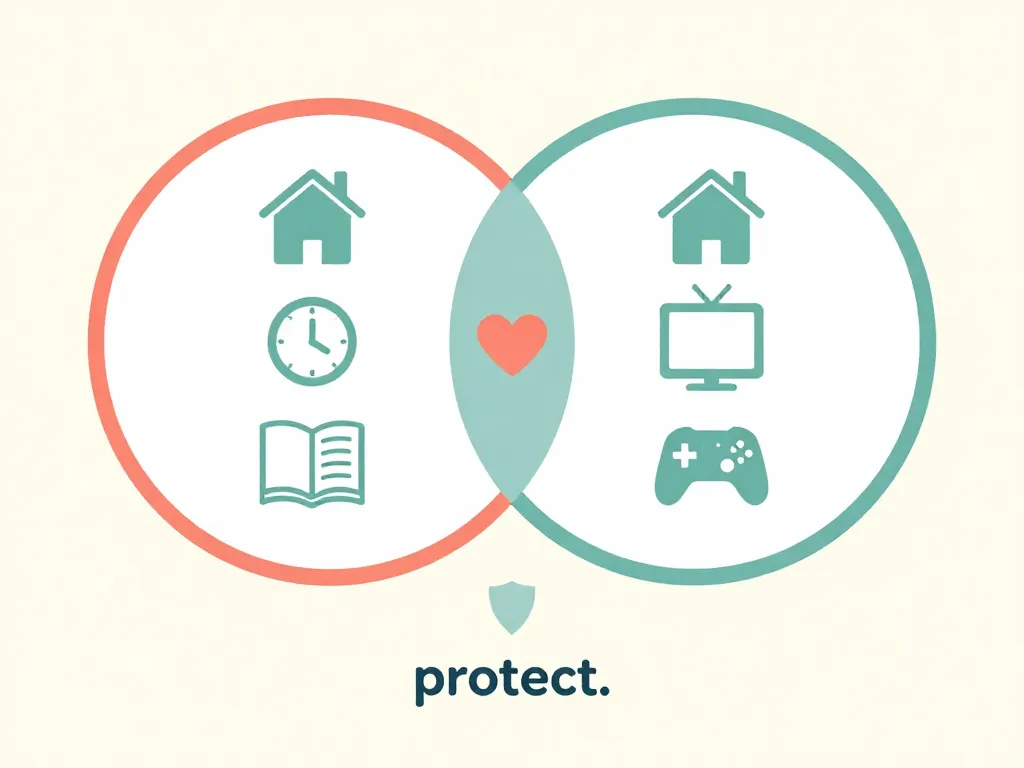
What to Do When You Recognize These Signs
Document Patterns, Not Isolated Incidents
A single comment from your child doesn't prove undermining. But a pattern over weeks or months does. Keep a factual log — dates, what your child said, the context, and how they were behaving. Stick to what happened.
This serves two purposes: it helps you distinguish between occasional friction and systematic undermining, and it provides evidence if you need to involve a mediator, therapist, or legal professional.
Resist the Urge to Counter-Campaign
When your coparent is painting you as the villain, every instinct screams to defend yourself to your children. Don't. Counter-campaigning turns your child into a battlefield.
Let your relationship with your child speak for itself. Be present, be consistent, and be the parent who doesn't put them in the middle.
Talk to Your Child Without Interrogating Them
When your child says something that suggests undermining, stay calm. You might say:
- "That sounds like a grown-up conversation. You don't need to worry about that."
- "I'm sorry you heard that. That's something your mom/dad and I will work out."
- "You never have to choose between us. We both love you."
These responses reassure your child and model the boundary your coparent isn't maintaining.
Address It Directly with Your Coparent — In Writing
A face-to-face confrontation often escalates. Put your concern in writing. Be specific, be calm, and focus on the child's experience rather than attacking the other parent.
For example: "Jake mentioned that you told him I was the reason the vacation was canceled. I'd appreciate if we could keep financial discussions between us. It seemed to upset him."
Keeping these conversations in writing creates a record and reduces emotional volatility. AI-powered coparenting platforms like Servanda can help structure these written exchanges so they stay focused on the child's wellbeing rather than spiraling into old arguments.
Involve a Professional When Patterns Don't Change
If direct communication doesn't shift the behavior, bring in outside support. This might look like:
- A family therapist who specializes in coparenting dynamics
- A parenting coordinator, a court-appointed professional in some jurisdictions who helps resolve ongoing disputes
- Your family law attorney, particularly if the undermining rises to parental alienation or violates your custody agreement
Strengthen Your Direct Relationship with Your Child
The most powerful antidote to undermining is a strong, secure relationship between you and your child. Children recognize which parent makes them feel safe, which parent doesn't put them in the middle, and which parent shows up consistently.
This means:
- Creating predictable routines in your home
- Making space for your child to share feelings without judgment
- Never asking your child to report on the other parent's household
- Following through on your promises, even small ones
When Undermining Becomes Parental Alienation
Parental alienation occurs when one parent's behavior leads a child to unjustifiably reject the other parent entirely. Signs include:
- Your child refuses to see you or speak to you without a clear, independent reason
- They express hatred or contempt that mirrors the other parent's language exactly
- They show no guilt or ambivalence about rejecting you
- The alienating parent shows no concern — or subtle satisfaction — about the ruptured relationship
If you're seeing these signs, consult a mental health professional experienced in alienation dynamics and consider legal options to protect your relationship with your child.
Conclusion
Recognizing that your coparent is undermining you to your kids is painful — partly because the evidence often comes through your child's words and behavior. But naming the pattern is the beginning of addressing it.
Focus on what you can control: how you respond, how you document, and how you show up for your child. Resist the pull to fight fire with fire. Build a relationship with your child that's strong enough to withstand the noise. When the situation calls for it, don't hesitate to bring in professionals who can help create accountability.
Your child doesn't need a perfect coparenting arrangement. They need at least one parent who consistently puts their emotional safety first.
Frequently Asked Questions
What's the difference between undermining and parental alienation?
Undermining is when a coparent erodes your authority or credibility with the children through tactics like badmouthing, dismissing your rules, or withholding information. Parental alienation is a more severe pattern where one parent's behavior leads a child to completely and unjustifiably reject the other parent — including refusing contact, expressing hatred that mirrors the alienating parent's language, and showing no guilt about the rejection.
How do I talk to my child when they repeat things my coparent said about me?
Stay calm and avoid interrogating your child or contradicting the other parent in front of them. Instead, use reassuring responses like "That sounds like a grown-up conversation — you don't need to worry about that" or "We both love you, and you never have to choose between us." This protects your child from feeling caught in the middle while modeling the healthy boundaries your coparent isn't maintaining.
Should I confront my coparent about undermining me to our kids?
Avoid face-to-face confrontations, which tend to escalate. Instead, address the specific behavior in writing — referencing what your child said, how it affected them, and a clear request to keep adult matters between adults. Platforms like Servanda can help structure these conversations so they stay focused on your child's wellbeing rather than devolving into old arguments.
Can I lose custody if my coparent is turning my kids against me?
Courts increasingly recognize parental alienation as harmful to children, and in many jurisdictions documented alienating behavior can work against the parent doing it. If you're experiencing systematic undermining or alienation, consult a family law attorney and a mental health professional who specializes in these dynamics.
How do I know if my coparent is undermining me or if we just have different parenting styles?
Different parenting styles mean different rules in different homes — like one parent allowing more screen time — without actively disparaging the other parent's approach. Undermining involves deliberately or repeatedly mocking your rules to the children, blaming you for shared decisions, withholding information, or encouraging your child to take sides, which erodes your authority and your child's sense of security.