Should You Move Out? Signs Your Roommate Conflict Is Unfixable
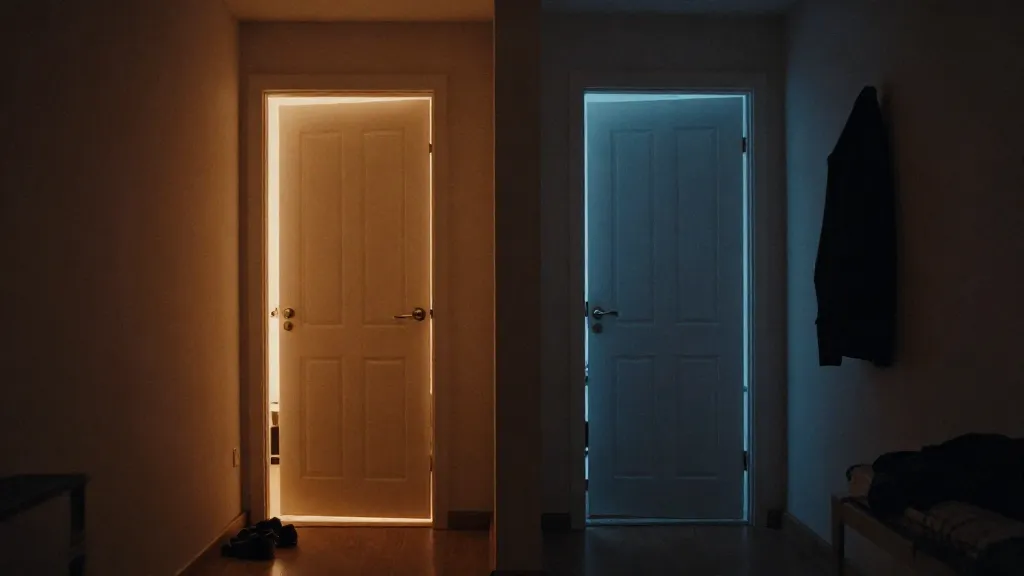
You're lying in bed on a Sunday morning, and you hear your roommate's bedroom door open. Instantly, your chest tightens. You calculate whether you can make it to the bathroom without crossing their path. You've memorized their schedule so you can cook dinner in peace. At some point, the place you pay rent to live in stopped feeling like home and started feeling like a standoff.
Maybe it started with dishes. Maybe it was the overnight guests who never left, or the rent that was always "a few days late." You've tried talking, tried ignoring it, maybe even tried a group text that went sideways. Now you're stuck in a loop: Is this normal roommate friction, or is this actually unfixable? That question is harder to answer than it sounds, because the line between "annoying but manageable" and "genuinely harmful" isn't always obvious — especially when you're living inside the situation.
The Difference Between Fixable Friction and an Unfixable Roommate Conflict
Before you start packing boxes, it's worth understanding that most roommate tension falls into one of two categories.
Fixable Friction
This is the garden-variety disagreement that comes from two (or more) people sharing a space without having aligned on the details. Common examples:
- Different cleanliness standards (one person's "clean enough" is another person's "disaster")
- Noise levels and quiet hours
- Grocery sharing confusion
- Thermostat wars
- Guest policies that were never discussed
The defining feature of fixable friction: both people are willing to talk about it and adjust. The problem isn't character — it's clarity. These situations often resolve once expectations are made explicit and written down. (Tools like Servanda help roommates create written agreements that prevent these kinds of conflicts from festering.)
Unfixable Conflict
This goes deeper. The problem isn't a misunderstanding about chores — it's a fundamental incompatibility in values, a refusal to engage in good faith, or behavior that crosses into harmful territory. Signs include:
- One or both people have stopped treating the other with basic respect
- Conversations about problems consistently escalate into personal attacks
- One person refuses to acknowledge there's a problem at all
- Boundaries are violated repeatedly after being clearly stated
- You feel unsafe — physically, emotionally, or financially
The defining feature of unfixable conflict: the other person is unwilling or unable to participate in resolution. You can't fix a relationship that only one person is maintaining.
The Two-Conversation Test
If you're genuinely unsure whether your situation is salvageable, try this before making any big decisions.
Conversation One: The Clear Request
Pick the single most important issue — not all six things that bother you. Bring it up directly, in person, at a calm moment (not while it's actively happening). Use this structure:
- Name the specific behavior. "The last three months, rent has come in 10-15 days late."
- Explain the concrete impact. "I've had to cover the full amount upfront, and I got a late fee in October."
- Make a specific request. "Can we agree that rent gets transferred by the 1st going forward?"
Don't over-explain. Don't apologize for bringing it up. Say your piece and then listen.
What you're looking for: Not perfection. You're looking for engagement. Did they acknowledge the issue? Did they offer a reason or a plan? Did they get defensive but ultimately come around? All of these are workable.
Red flags: Dismissing your concern outright ("You're overreacting"), turning it back on you ("Well, you do X"), or agreeing in the moment and then changing nothing.
Conversation Two: The Follow-Up
Wait two to three weeks. If the behavior hasn't changed, bring it up once more — calmly, referencing the first conversation.
"Hey, we talked about rent timing a few weeks ago. It came in late again this month. What's going on?"
If they engage honestly — even if progress is slow — you're likely dealing with fixable friction. People change habits gradually.
If they shut down, blow up, or gaslight you ("We never talked about that" / "I don't know why you're making this a big deal"), you have your answer. This roommate conflict is unfixable on their end. You now have information, and you can make decisions based on it.

6 Signs It's Time to Move Out
If you recognize three or more of these patterns, the conflict is beyond repair.
1. You Feel Anxious in Your Own Home
If you regularly feel tense, on-edge, or dread walking through your own front door, your living situation is affecting your mental health. Home should be a place of recovery, not a source of stress you need to recover from.
This doesn't mean your roommate is a bad person. It means the dynamic between you is harmful — and that's reason enough.
2. They Refuse to Have Direct Conversations
Some people communicate exclusively through passive-aggression: sticky notes, loud sighs, slamming cabinets, or venting to mutual friends instead of talking to you. Others simply stonewall — they'll leave the room, put in earbuds, or respond with monosyllables when you try to address a problem.
You cannot resolve conflict with someone who won't participate in the conversation.
You sit down, you hash it out, you both agree to a plan — and within a week, nothing has changed. This cycle is exhausting because it gives you just enough hope to stay, while delivering none of the actual change you need.
One broken agreement could be a slip. A pattern of broken agreements is a message: they're not going to follow through.
4. The Conflict Has Gotten Personal
There's a big difference between "I'm frustrated that the kitchen is always messy" and "You're a disgusting slob." Once a roommate conflict shifts from behavior-focused to character-attack territory, the relationship is fundamentally damaged.
Watch for:
- Name-calling or insults (even "joking" ones)
- Mocking you in front of others
- Bringing up things you've shared in confidence as ammunition during fights
- Comments about your lifestyle, identity, or personality meant to shame you
This isn't friction. It's contempt.
5. Your Boundaries Are Treated as Suggestions
You've said no overnight guests on weeknights. They keep having them. You've asked them not to use your cookware. They keep using it. You've told them you need quiet after 11pm. They keep blasting music.
The specific boundary matters less than the pattern. When someone consistently ignores your clearly stated limits, they're telling you that your comfort doesn't rank as a priority.
6. You've Started Changing Your Life to Avoid Them
Ask yourself:
- Do I leave the apartment more than I want to, just to avoid being around them?
- Have I changed my sleep schedule, cooking routine, or social life because of them?
- Do I avoid having friends over because of the tension?
- Am I spending money I don't have (eating out, going to coffee shops) to stay away?
If you're rearranging your life around someone else's behavior in your own home, you're paying twice: once in rent, and once in quality of life.

What to Do Once You've Decided to Move Out
Deciding to leave is the hard part. The logistics are more straightforward than they feel right now.
Step 1: Know Your Lease
Before you say anything to your roommate, read your lease agreement carefully.
- Are you both on the lease, or is one of you a subletter?
- What's the early termination clause?
- Is there a required notice period (30 days, 60 days)?
- Can you find a replacement tenant to take over your portion?
If you're unsure, contact your landlord or property management company directly. Many are more flexible than people assume, especially if you're proactive and professional about it.
Step 2: Document What Matters
If your roommate owes you money, has damaged your property, or has behaved in ways that might become a legal issue, keep records. Save text messages. Take photos. Note dates. You may never need any of this — but if you do, you'll be glad you have it.
Step 3: Have the Conversation (Briefly)
You don't owe your roommate a lengthy explanation. A simple, direct statement is enough:
"I've decided to move out. My last day will be [date]. I've already spoken with the landlord about the process."
You don't need them to agree with your reasons. You don't need them to validate your decision. You're informing them, not asking permission.
Step 4: Protect Your Security Deposit
Document the condition of the apartment before you leave. Take time-stamped photos of every room. If your roommate has caused damage, make sure the landlord knows which areas are your responsibility and which aren't.
Step 5: Set a Hard Deadline
Once you've decided, don't let yourself get talked into "let's try one more month." Set your move-out date and stick to it. Ambiguity extends suffering.
When It IS Worth Staying and Working It Out
Moving is expensive, disruptive, and stressful. If the following things are true, your roommate conflict is probably worth the effort of resolution:
- Your roommate listens when you bring up concerns, even if they get a little defensive at first
- Agreements, once made, are generally kept — not perfectly, but with visible effort
- The conflict is about logistics, not respect — you're fighting about dishes, not about whether you matter as a person
- You still have positive interactions — you can share a meal, have a casual conversation, or coexist comfortably at least some of the time
- They take responsibility for their part, even occasionally
These are signs of a normal, imperfect human relationship. Every roommate arrangement requires negotiation. The question isn't whether conflict exists — it's whether both people are willing to work through it.
Frequently Asked Questions
How do I know if my roommate situation is toxic or just annoying?
The core difference is how your roommate responds when you raise a concern. Annoying situations involve friction that both people are willing to address. Toxic situations involve one person dismissing, attacking, or ignoring the other's needs repeatedly. If you've tried the Two-Conversation Test above and hit a wall both times, you're likely dealing with something that won't improve.
Can a bad roommate situation affect my mental health?
Research consistently shows that housing instability and interpersonal conflict at home are significant stressors linked to anxiety, depression, and sleep disruption. If you're noticing changes in your mood, energy, appetite, or sleep that correlate with your living situation, take that seriously. Your home environment has an outsized impact on your overall wellbeing.
What if I can't afford to move out right now?
Start with harm reduction. Establish firm boundaries, spend time outside the apartment, and lean on your support network. Begin saving and quietly researching alternative housing so you're ready when an opportunity opens up. Check local tenant advocacy organizations — some offer mediation services or can advise on breaking a lease without financial penalty.
Should I involve the landlord in a roommate conflict?
Only if the conflict involves lease violations (unpaid rent, unauthorized occupants, property damage) or safety concerns. Landlords generally aren't equipped to mediate interpersonal disputes, and involving them can escalate tension. However, they're an important resource if you need to discuss lease modifications, early termination, or subletting.
How do I bring up moving out without making things worse?
Keep it brief, factual, and final. Frame it as a personal decision rather than an accusation: "This living situation isn't working for me, and I've decided to move out" is harder to argue with than "You're impossible to live with." Give proper notice as required by your lease, handle the logistics professionally, and resist the urge to relitigate old arguments on your way out.
Not every roommate conflict is a reason to move. Some disputes just need clearer expectations, a direct conversation, and a willingness from both sides to adjust. But when someone consistently refuses to engage, repeatedly violates your boundaries, or makes you feel anxious in your own home — that's not a communication problem. That's a compatibility problem, and no amount of effort on your part alone will fix it.
Moving out isn't failure. It's a decision to prioritize your wellbeing over a situation that isn't serving you. Whether you stay and work through it or leave and start fresh, the goal is the same: a home that actually feels like one.
You deserve that. And the clarity to pursue it is already in your hands.