It's 9 PM on a Tuesday. You're standing in your kitchen, and somehow you're having that argument again. The dishes, the money, the in-laws, or whose turn it is to walk the dog. The details might shift slightly, but the underlying frustration feels achingly familiar. You both know exactly where this conversation will go, yet neither of you seems able to stop it.
If this scenario sounds familiar, you're not alone. Research shows that 69% of relationship conflicts are perpetual—meaning couples fight about the same core issues throughout their entire relationship. Understanding why couples fight about the same things over and over isn't just about satisfying curiosity; it's the first step toward breaking these exhausting cycles.
Key Takeaways
- Most recurring arguments are about deeper unmet needs—like feeling valued, respected, or connected—not the surface-level topic you're actually fighting about.
- Emotional flooding shuts down your brain's problem-solving ability, so taking a 20-minute strategic pause before continuing a heated discussion can break the cycle of escalation.
- Replace reactive arguments with structured conversation formats like a weekly 30-minute check-in or a listening exercise where each partner speaks uninterrupted for 5 minutes.
- Create explicit, written relationship agreements about household tasks, finances, and time priorities to prevent recurring conflicts before they start.
- Reframe your complaints as statements about your underlying needs (e.g., change "You never help" to "I need to feel like we're a team") to move from blame toward productive dialogue.
The Root Causes: Why the Same Fights Keep Happening
Unresolved Core Issues Lurk Beneath Surface Arguments
Most recurring arguments aren't really about the dishes or the thermostat setting. They're symptoms of deeper, unaddressed needs and values conflicts. When Sarah and Mike fight about household chores every few weeks, the real issue isn't the dirty laundry—it's Sarah's need to feel valued and Mike's struggle with feeling criticized.

These surface-level disagreements serve as convenient battlegrounds for much larger issues:
- Respect and appreciation: "You never help with dinner" often means "I don't feel valued for what I contribute"
- Control and autonomy: Arguments about spending frequently mask concerns about decision-making power in the relationship
- Connection and attention: Fights about phone usage or work schedules often reflect deeper needs for quality time and emotional intimacy
Emotional Flooding Prevents Problem-Solving
When couples fight about the same things repeatedly, they often get caught in what psychologists call "emotional flooding." This occurs when stress hormones like cortisol and adrenaline overwhelm your system, making rational problem-solving nearly impossible.
During flooding, your brain literally can't access the prefrontal cortex—the area responsible for logical thinking and creative problem-solving. Instead, you're operating from your amygdala, the fight-or-flight center that's focused solely on defending against perceived threats.
This explains why you and your partner can have the same argument dozens of times without ever reaching a resolution. You're both too physiologically activated to think clearly or hear each other's actual concerns.
Negative Cycles Become Self-Reinforcing
Recurring arguments create what relationship researchers call "negative cycles"—predictable patterns where each partner's behavior triggers the other's defensive response. Here's how it typically unfolds:
- The Trigger: One partner brings up a familiar concern
- The Defensive Response: The other partner feels attacked and becomes defensive
- The Escalation: Both partners retreat into their protective strategies—pursuing, withdrawing, or attacking
- The Aftermath: The core issue remains unresolved, setting the stage for the next round
Over time, these cycles become so automatic that couples can predict exactly how their arguments will unfold, yet feel powerless to change them.
Common Patterns: What Couples Fight About Most
The Big Four Perpetual Conflicts
While every couple is unique, research reveals four categories where couples fight about the same things most frequently:
1. Money and Financial Decisions
Arguments about spending, saving, and financial priorities often reflect different values around security, freedom, and future planning. One partner's "responsible saving" might feel like "restrictive control" to the other.
2. Household Responsibilities and Division of Labor
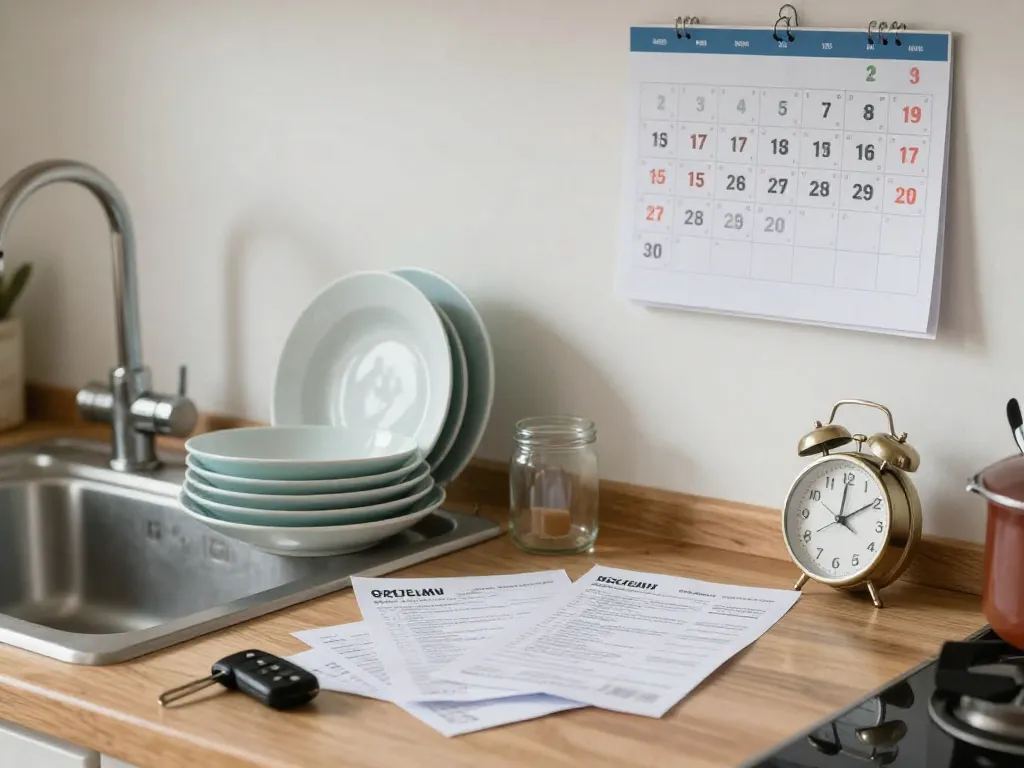
Who does what, when, and how well creates ongoing tension in most relationships. These fights often center on fairness, competence, and different standards for cleanliness or organization.
3. Time, Attention, and Priorities
How couples spend their time—work demands, social obligations, family commitments—becomes a recurring source of conflict. These arguments typically reflect needs for connection, support, and shared values.
4. Family and Extended Relationships
Boundaries with in-laws, parenting decisions, and family traditions create ongoing negotiations that many couples never fully resolve.
The Pursue-Withdraw Dynamic
One of the most common patterns in recurring arguments is the pursue-withdraw cycle. One partner (often the one who brings up problems) becomes the "pursuer," seeking resolution, discussion, and change. The other becomes the "withdrawer," shutting down, avoiding conflict, or becoming defensive.
This dynamic is particularly destructive because:
- The pursuer feels ignored and unimportant, leading to more intense pursuing
- The withdrawer feels criticized and overwhelmed, leading to more withdrawal
- Neither partner gets their core needs met
- The original issue never gets addressed
Breaking the Cycle: Practical Strategies That Work
Identify Your Underlying Needs
The first step in stopping recurring arguments is getting clear about what you're really fighting about. Most surface-level complaints mask deeper needs:
Instead of: "You never put your dishes in the dishwasher"
Try: "I feel overwhelmed managing the household alone and need to feel like we're a team"
Instead of: "You spend too much money"
Try: "I feel anxious about our financial security and need to feel confident about our future"
Spend time reflecting on your last few arguments. What were you really asking for beneath the complaint or criticism?
Practice the Pause
When you feel that familiar argument starting, implement a strategic pause:
- Recognize the pattern: "We're about to have the money fight again"
- Take a break: "I can feel us getting activated. Let's take 20 minutes and come back to this"
- Self-soothe: Take deep breaths, go for a walk, or do something calming
- Return with intention: "I want to understand your perspective on this. Help me see what I'm missing"
This simple intervention can interrupt the automatic escalation that keeps you stuck in the same patterns.
Many couples fight about the same things because they keep approaching problems the same way. Try these alternative formats:
The Weekly Check-In: Schedule 30 minutes weekly to discuss ongoing issues when you're both calm and focused.
The Solution-Focused Meeting: Instead of rehashing what's wrong, spend your time brainstorming specific solutions you can try.
The Listening Exercise: Take turns speaking for 5 minutes without interruption, then reflect back what you heard before responding.
Tools like Servanda can help couples create structured agreements that address recurring conflicts before they escalate, providing a neutral framework for resolving disputes.

Address the Real Issue
Once you've identified the underlying needs beneath your recurring arguments, have a direct conversation about them:
For Respect/Appreciation Issues: "I need to feel valued for my contributions. How can we make sure we're both feeling appreciated?"
For Control/Autonomy Conflicts: "We seem to have different comfort levels with financial decisions. How can we create a system that works for both of us?"
For Connection/Attention Needs: "I miss feeling prioritized in your life. What would help us both feel more connected?"
Develop Relationship Agreements
Many recurring fights happen because couples never clearly agree on expectations, boundaries, or responsibilities. Consider creating explicit agreements about:
- How household tasks will be divided
- How financial decisions will be made
- How you'll handle disagreements with extended family
- How you'll prioritize time together versus individual activities
Writing these agreements down and revisiting them regularly can prevent many common sources of recurring conflict.
Moving Forward: Building Lasting Change
Focus on Progress, Not Perfection
Breaking patterns that couples have maintained for months or years takes time and patience. Celebrate small improvements:
- Having the same argument with less intensity
- Catching yourself in the pattern earlier
- Taking breaks before things escalate
- Having one conversation about underlying needs instead of surface complaints
Each small shift weakens the old pattern and strengthens your capacity for healthier conflict resolution.
Get Professional Help When Needed
Some recurring conflicts require professional support to resolve. Consider couples therapy if:
- Your arguments regularly escalate to personal attacks or threats
- One or both of you shut down completely during conflicts
- You've tried multiple strategies without success
- The same fight is threatening your relationship's stability
A skilled therapist can help you identify patterns you might not see and teach you tools specific to your situation.
Conclusion
Understanding why couples fight about the same things over and over is the key to finally breaking free from exhausting argument cycles. Most recurring conflicts stem from unresolved core needs, emotional flooding, and self-reinforcing negative patterns rather than the surface issues that seem to trigger them.
By identifying your underlying needs, practicing strategic pauses, creating new conversation formats, and developing clear relationship agreements, you can transform recurring arguments into opportunities for deeper understanding and connection. Remember, the goal isn't to never disagree—it's to disagree in ways that bring you closer together rather than driving you apart. With patience, intention, and the right tools, you can break the cycle and build the harmonious relationship you both deserve.
Frequently Asked Questions
Is it normal for couples to fight about the same things?
Yes, it's completely normal. Research by relationship psychologist John Gottman shows that approximately 69% of couple conflicts are "perpetual," meaning they stem from fundamental differences in personality, values, or lifestyle preferences that don't simply resolve. The key isn't eliminating these disagreements but learning to discuss them constructively without falling into destructive patterns.
How do you stop having the same argument over and over?
Start by identifying the deeper need beneath the surface complaint—ask yourself what you're really asking for when you argue about dishes or money. Then implement a strategic pause when you recognize the familiar pattern starting, and return to the conversation with a focus on understanding your partner's perspective rather than winning the argument.
Why does my partner shut down during arguments?
Your partner is likely experiencing emotional flooding, a physiological stress response where cortisol and adrenaline overwhelm the nervous system, making it nearly impossible to think clearly or communicate effectively. Withdrawing is their brain's protective mechanism against feeling overwhelmed or criticized. Allowing a cool-down period of at least 20 minutes and approaching the topic more gently can help them stay engaged.
When should couples seek therapy for recurring fights?
Consider professional help if your arguments regularly escalate to personal attacks, if one or both partners completely shut down during conflict, or if you've consistently tried new strategies without seeing improvement. A therapist can identify blind spots in your communication patterns and provide tailored tools that go beyond general advice.
Can recurring arguments actually strengthen a relationship?
Yes, when handled well, revisiting core disagreements can deepen your understanding of each other's values, fears, and needs. Couples who learn to navigate perpetual conflicts with curiosity and empathy often report feeling closer and more secure than couples who avoid conflict altogether.